



15 Popular Types of Flooring: Top Choices for Your Home
January 20, 2026
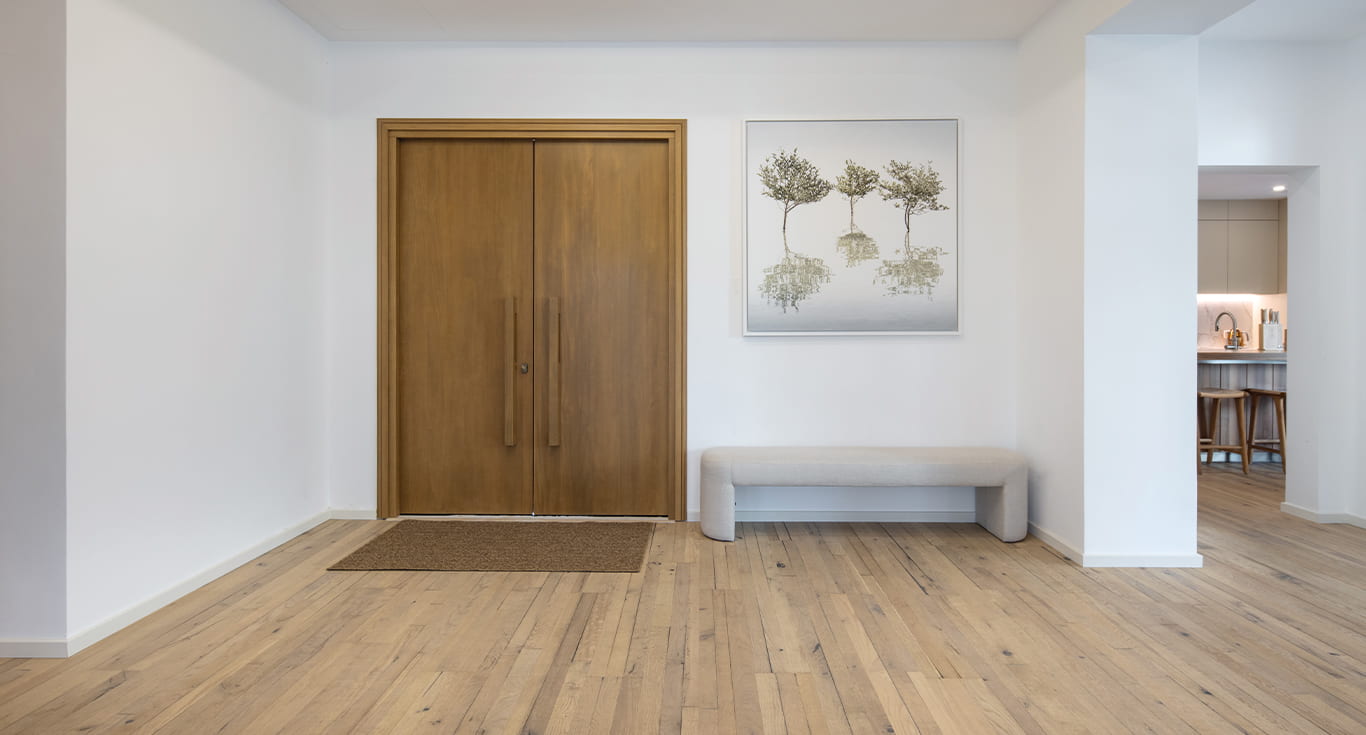
Flooring sets the tone for how your home looks, feels, and functions every day. The right choice can make each space feel lighter, brighter, and cosier, and even bigger.
That’s why it’s important to take a look at the many options and select the one that fits your home and style. Because it’s not just in the looks and feel, there’s also durability, maintenance, affordability, and many more factors that come into play.
In this guide, we’re going to talk about the 15 common types of flooring you can choose for your home.
1. Solid Hardwood Flooring
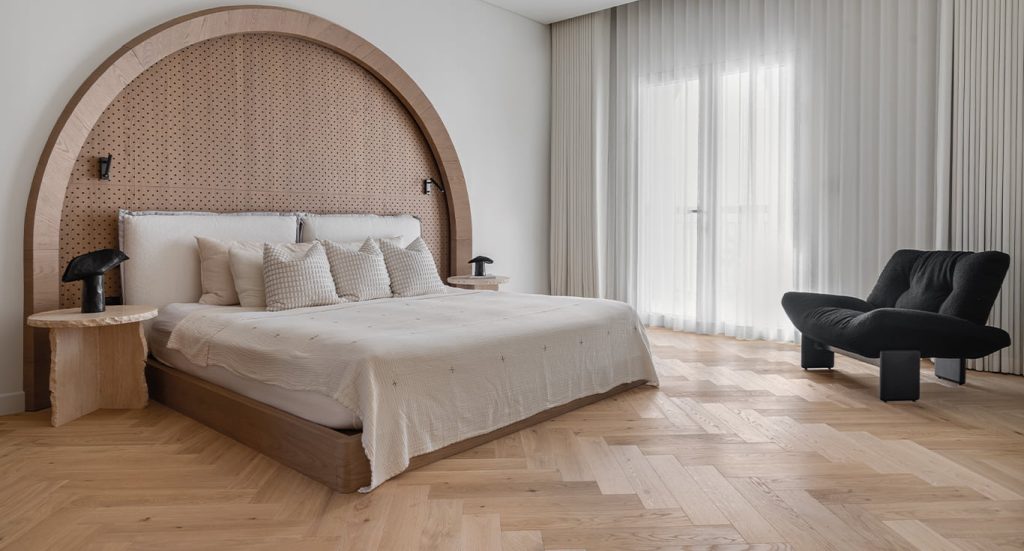
Solid hardwood is real wood from top to bottom, which is why it has that unmistakable warmth and natural character. It’s a long-term flooring choice that can age beautifully and withstand a wide range of conditions.
This type of flooring is better suited to dry conditions because of the wood’s characteristics. It’s generally installed by nailing or stapling the boards to a wood subfloor, or it may also be glued down. Common examples include oak, maple, and walnut.
Pros
- Durable and sturdy
- Can be refinished
- Adds strong resale value
Cons
- Can scratch and dent
- Sensitive to moisture and humidity
- More expensive
2. Engineered Wood Flooring
Engineered wood is another type of flooring that looks like hardwood but is designed to handle temperature and humidity changes better than solid wood. It has a real wood top layer bonded to multiple layers for better stability.
The process involves installing it as a floating floor over an underlayment or glued down to a suitable subfloor. Some can also be nailed or stapled like hardwood. Some examples include engineered oak, maple, and walnut.
Pros
- More stable than hardwood
- Real wood surface appearance
- Versatile and attractive
Cons
- Can be damaged by prolonged moisture
- Quality varies on product
- Shorter lifespan compared to hardwood
3. Laminate Flooring
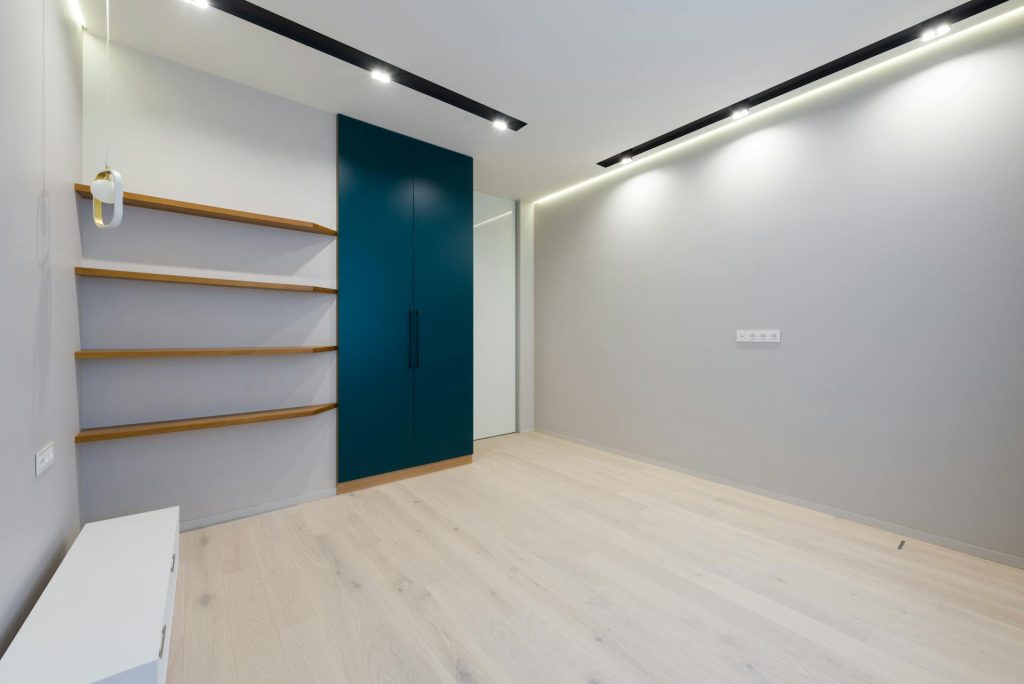
This type of flooring is a synthetic product with a photographic layer that imitates wood or stone, protected by another layer. Laminate flooring is a good choice for budget-friendly renovations and busy homes.
Installation is typically done by locking the boards together and floating over the subfloor. An underlayment is usually installed underneath to help with sound. Common examples of laminate flooring include wood-like planks and stone-like tiles.
Pros
- Affordable and widely available
- Scratch resistant
- Easy to install and low maintenance
Cons
- Can get water damage
- Cannot be refinished
- Doesn’t feel or look like real material
4. Luxury Vinyl Flooring
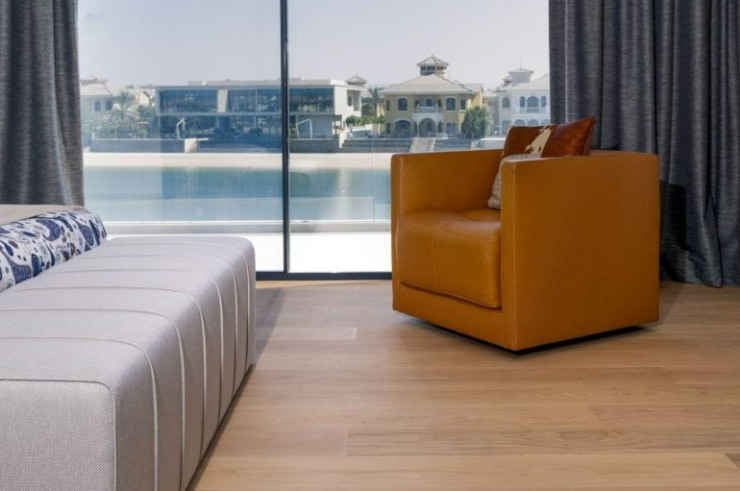
Luxury vinyl includes both LVP (plank format) and LVT (tile format). These types of flooring are designed to mimic hardwood or tile while offering significant durability and moisture resistance. It’s popular because it can handle everyday messes and traffic.
It’s commonly installed through the floating click-lock or glue-down methods. For the best long-term results, the subfloor must be clean, flat, and stable.
Pros
- Water-resistant and easy to clean
- Huge variety of styles
- Affordable and durable
Cons
- Can be prone to damage and fading
- Lower-quality options may look less natural
- Subfloor imperfections can occur
5. Ceramic Tile Flooring
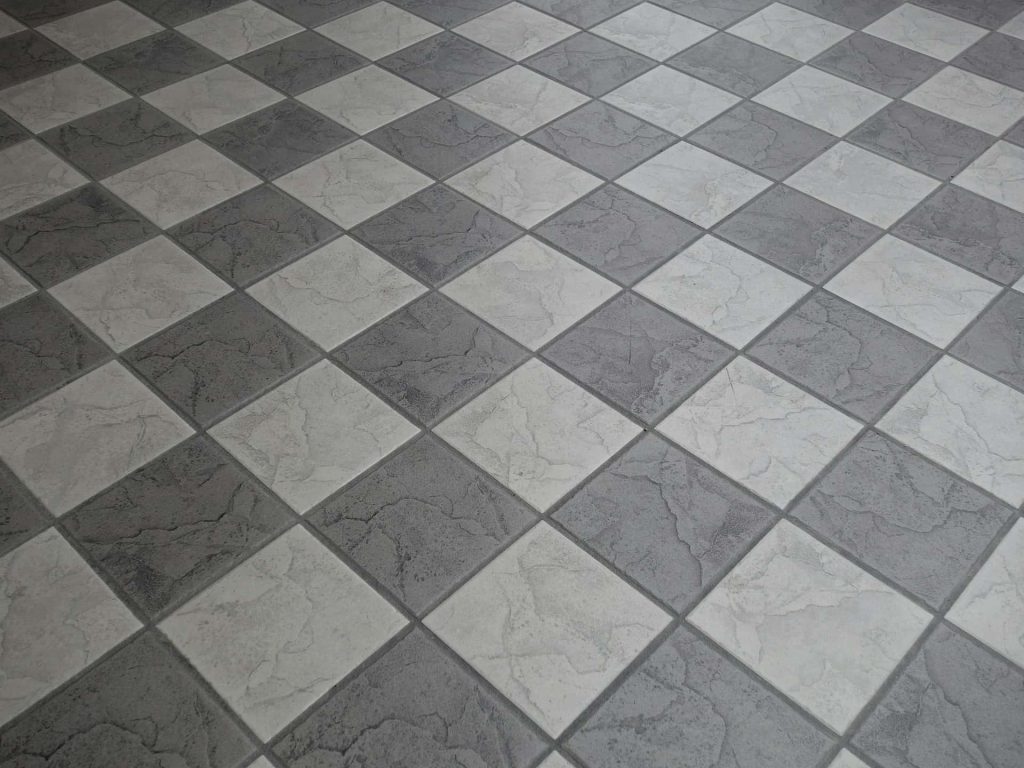
Ceramic tile is made from clay and fired in a kiln, offering a wide range of styles, sizes, and finishes. It’s a good option for spaces that are often exposed to moisture and require easy cleaning.
Installing it requires spreading out thin-set mortar, placing the tiles with consistent spacing, and then applying grout at the end. Common examples include glazed ceramic tiles, mosaic tiles, and patterned tiles.
Pros
- Water-resistant and easy to clean
- High design variety
- Works well in warm climates
Cons
- Grout requires maintenance
- Can crack if the subfloor is unstable
- Can feel cold
6. Natural Stone Flooring
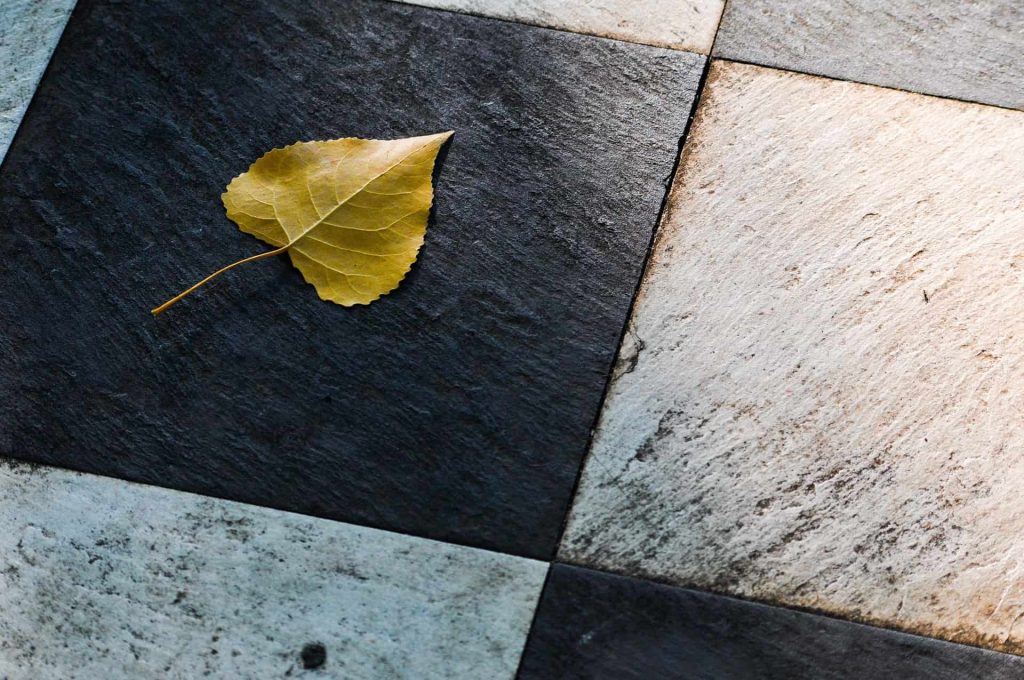
Natural stone flooring is made from real stone cut into tiles or slabs, creating a premium look with natural variation. Each stone type will behave differently, so maintenance and performance vary.
Installation typically uses thin-set mortar, followed by grouting. For many stones, sealing helps protect them against moisture and stains. Common examples include granite, marble, and slate.
Pros
- High-end and beautiful
- Long lifespan with good care
- Can add value and visual impact
Cons
- Significantly high cost
- Can scratch, stain, or etch
- Can be slippery and cold
7. Porcelain Tile Flooring
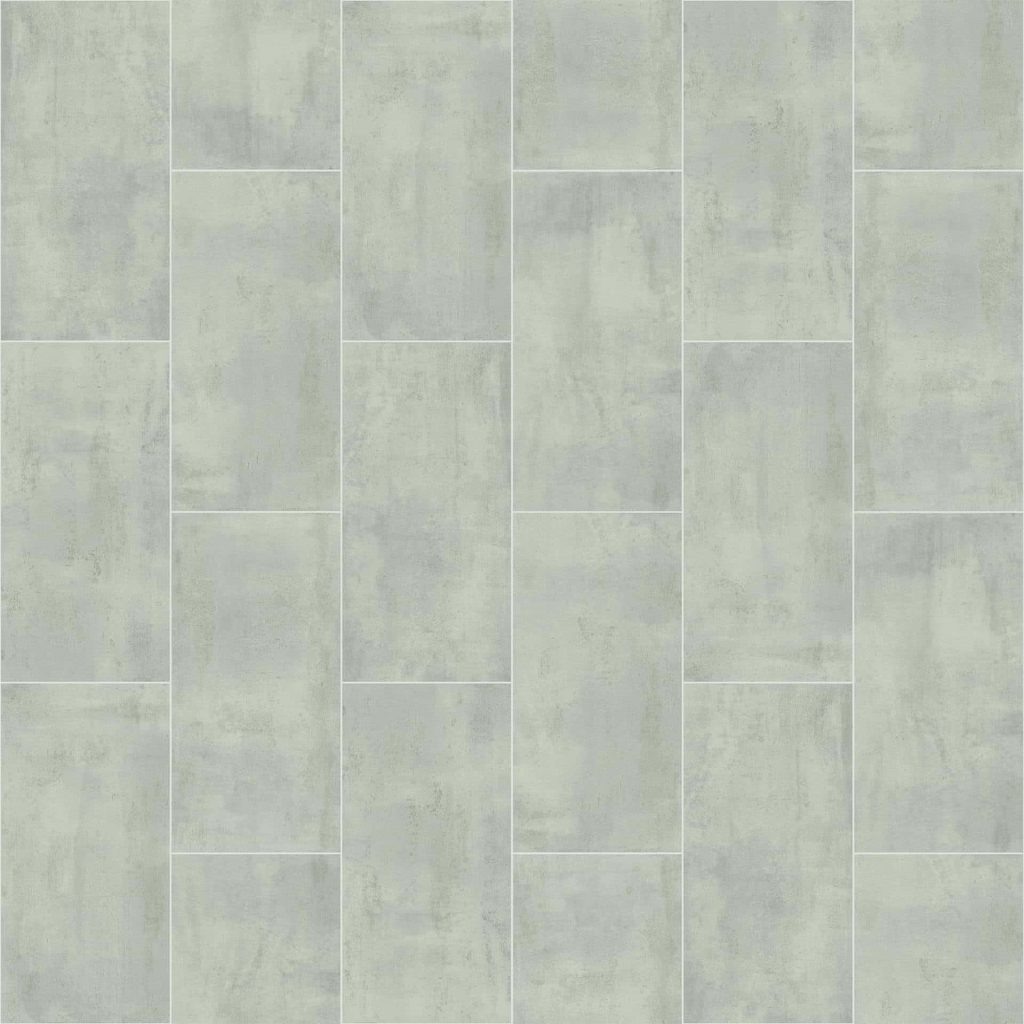
Porcelain tile is a denser, more water-resistant type of ceramic tile. It’s often the option for high-traffic areas because it is more durable and lasts longer. It is also available in many finishes, making it a good design choice.
Installation is similar to that of ceramic tile. The tiles are set into thin-set mortar, aligned with spaces, and then grouted.
Pros
- Extremely durable
- Waterproof and stain-resistant
- Low maintenance
Cons
- More expensive than ceramic
- Harder to cut and install
- Can feel cold
8. Carpet Flooring
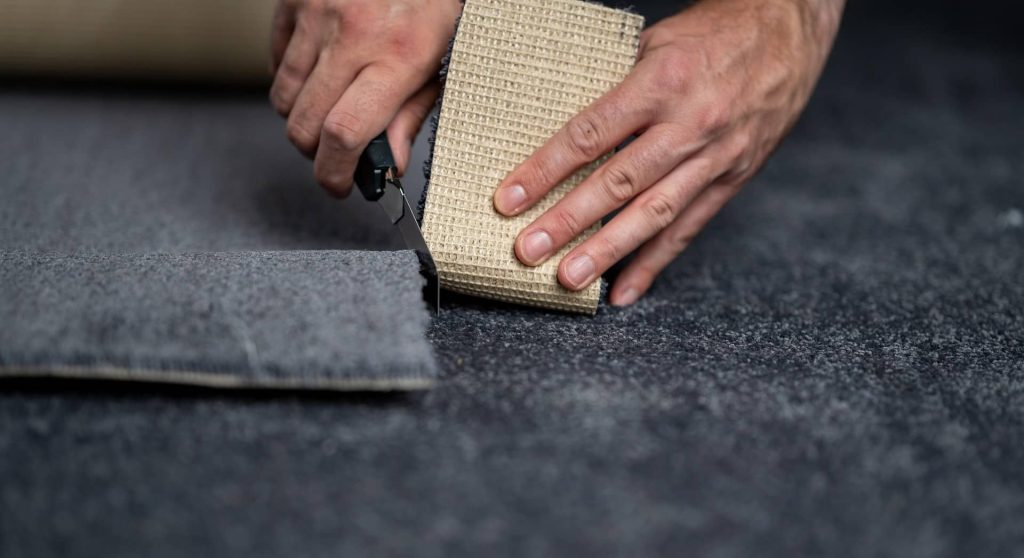
Carpet is a soft flooring made from woven or tufted fibres. It’s one of the many popular types of flooring because it provides a warm and cosy feel that also helps reduce noise. Carpet flooring is often a staple when it comes to bedrooms where comfort matters.
Installation typically involves securing tack strips around the room perimeter, laying down padding, and then stretching the carpet into place. Common types include plush, nylon, and polyester carpet flooring.
Pros
- Soft, comfortable, and warm
- Reduces noise and echo
- Wide range of colours and textures
Cons
- More prone to stains
- Can trap dust and allergens
- Requires regular vacuuming and deep cleaning
9. Bamboo Flooring
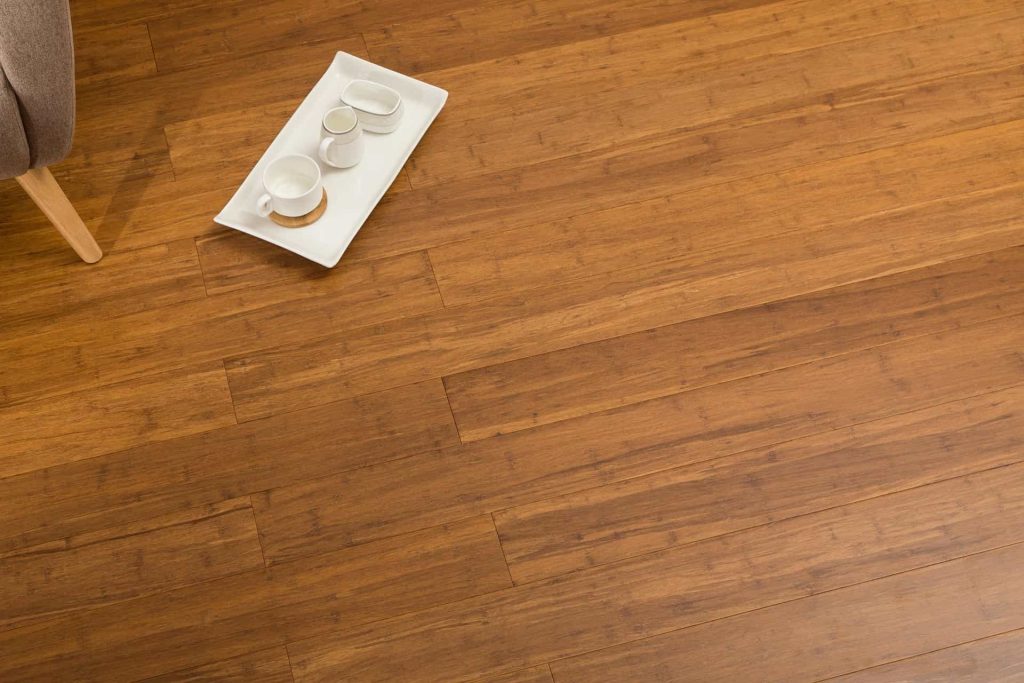
Bamboo flooring is made from bamboo that’s processed into planks, offering a sleek look that can resemble hardwood. With proper care, it can also last up to 30 years, which is a plus for many homes.
Installation depends on the type. They can be glued down, installed as a floating click-lock floor, or nailed down. Common types include strand-woven, horizontal, vertical, and carbonized bamboo.
Pros
- Modern and clean aesthetic
- Many options and types
- Sustainable and eco-friendly
Cons
- Variable quality
- Not waterproof
- Can have scratches, marks, and fading
10. Cork Flooring
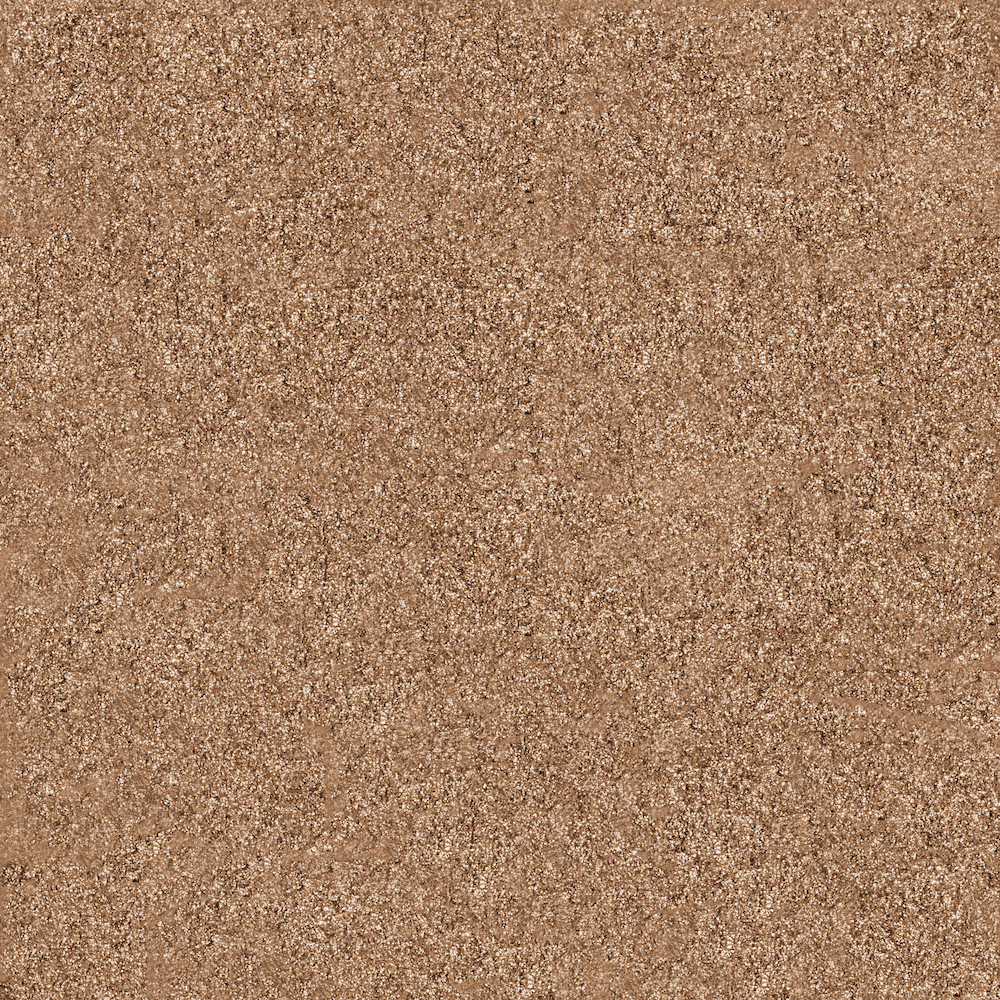
Cork flooring is made from cork bark and is known for its comfortable, slightly cushioned feel. It’s a good choice for quieter homes because it can help reduce noise and feels warmer than tile.
Installing cork flooring is done through a floating click-lock with cork planks. Some can be done as glue-down tiles for a more permanent installation. Additionally, protective layers can be added.
Pro
- Soft and comfortable underfoot
- Can help absorb sound
- Hypoallergenic nature
Cons
- Can dent under heavy furniture
- Can fade over time under direct sunlight
- Not waterproof
11. Linoleum Flooring
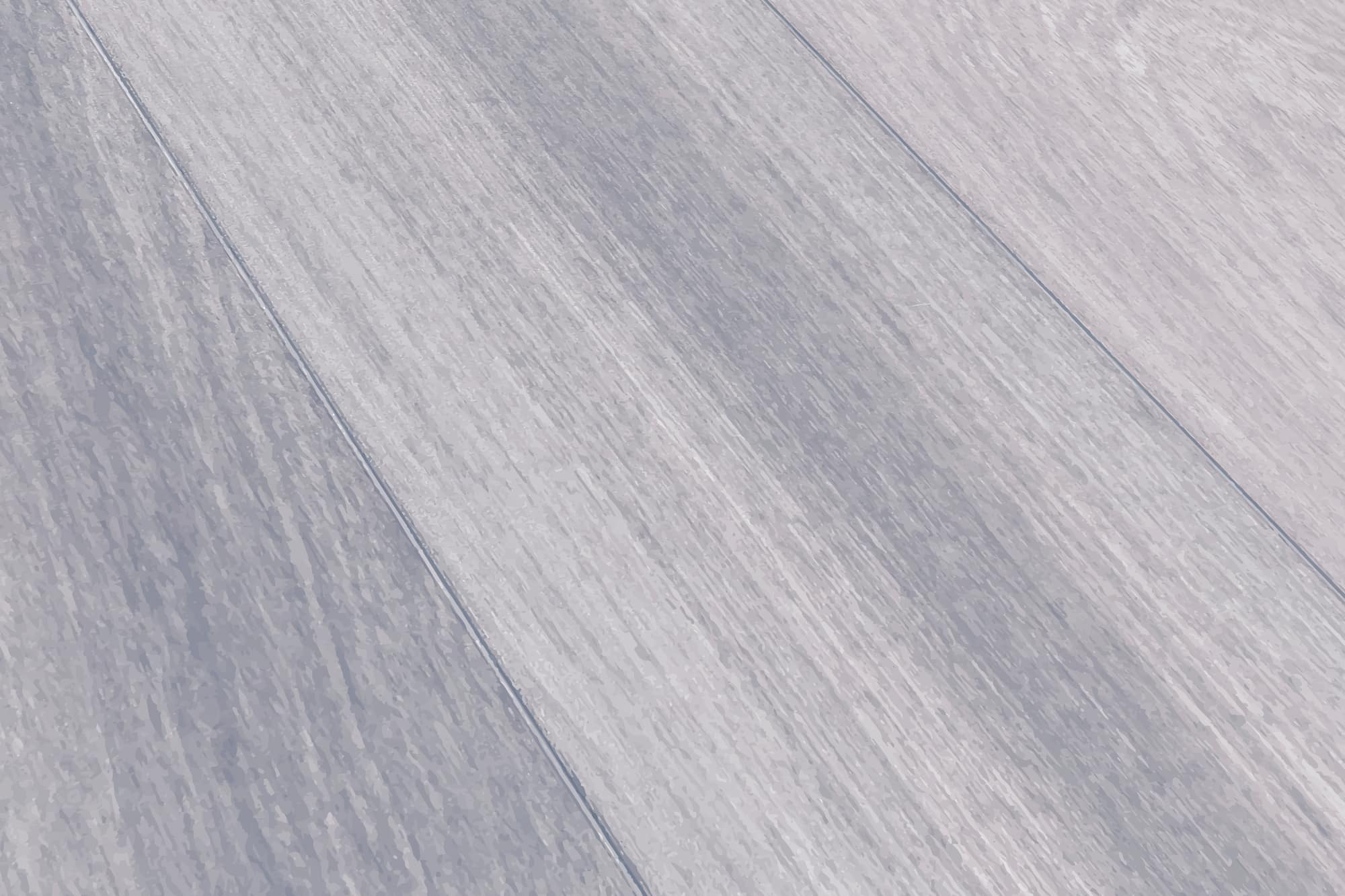
Linoleum is a resilient flooring made from natural materials and has been used in homes for decades. It’s valued for its practicality, smooth feel, and easy maintenance. With good care, it can last for about 20 to 40 years.
Installing this type of flooring is done by using glue, then laying out the tiles or sheets so the finished surface looks smooth.
Pros
- Durable and easy to clean
- Natural and sustainable
- Versatile designs
Cons
- Can dent from heavy items
- Requires specific installation
- Can be porous if not sealed
12. Concrete Flooring

Concrete flooring uses a concrete slab as the finished surface, creating a modern look that can range from matte and minimal to glossy and dramatic. It’s common in many contemporary homes, ground floors, and basements because it’s tough and lasts long.
Installation is more of a finishing process. The concrete is poured on the ground, then finished, polished, stained, and sealed. Some floors also receive a topical coating for additional protection.
Pros
- Extremely durable and strong
- Modern look and aesthetic
- Low maintenance when sealed properly
Cons
- Hard underfoot and can feel cold
- Can crack over time
- May need periodic sealing
13. Terrazzo Flooring
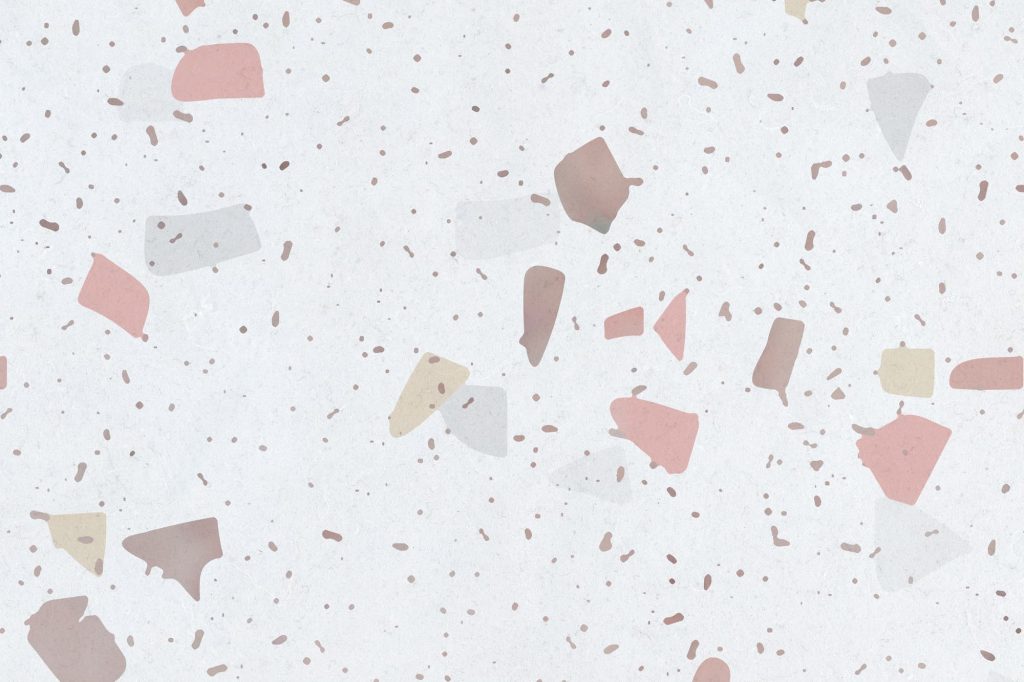
Terrazzo is a composite floor made by embedding chips, often granite, glass, or quartz, into a binder. This is then ground and polished to feature a smooth finish. This type of flooring is a statement material that can make homes look classy and unique.
Installing terrazzo requires professionals. The mix is applied and poured, allowed to cure, and then grouted and polished. A final sealer is applied for protection.
Pros
- Extremely durable
- Versatile design choices
- Hygienic and low maintenance
Cons
- Higher upfront cost
- Cold and hard surface
- Requires complex installation
14. Rubber Flooring
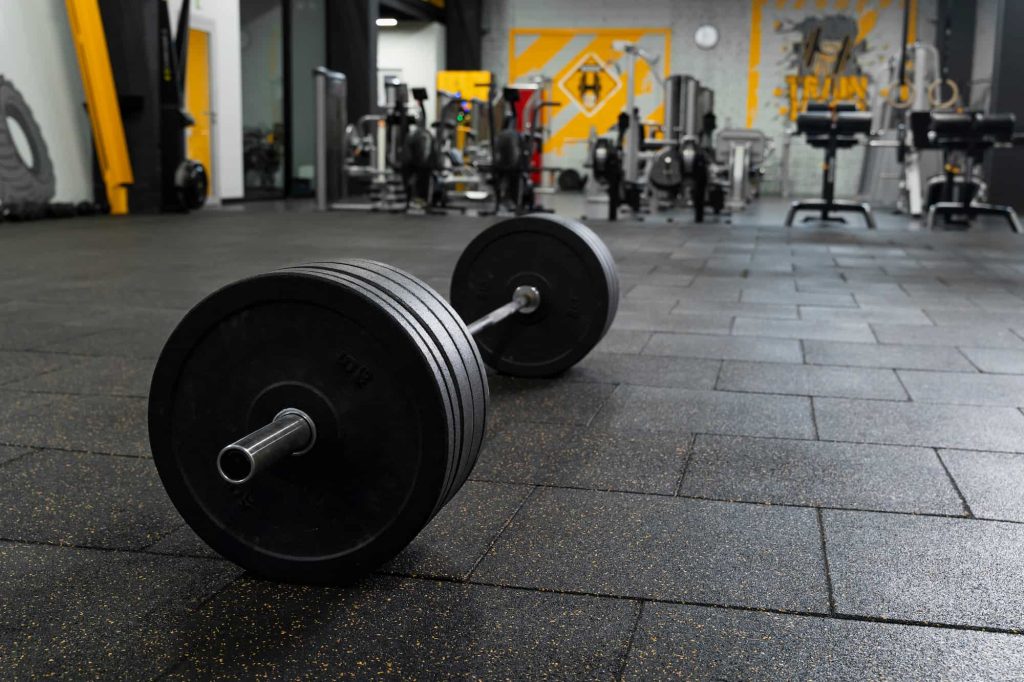
Rubber flooring is a resilient, shock-absorbent surface designed for comfort, safety, and durability. It’s common in areas such as gyms and commercial spaces, but it’s also becoming a popular option for playrooms and utility areas.
This can be installed as interlocking tiles, rolls, or glue-down sheets. For best results, the subfloor should be clean and level.
Pros
- Slip-resistant and soft underfoot
- Absorbs impact and reduces noise
- Durable and easy to clean
Cons
- Limit design and decoration
- Heavy and hard to install
- Noticeable initial odour
15. Epoxy Flooring
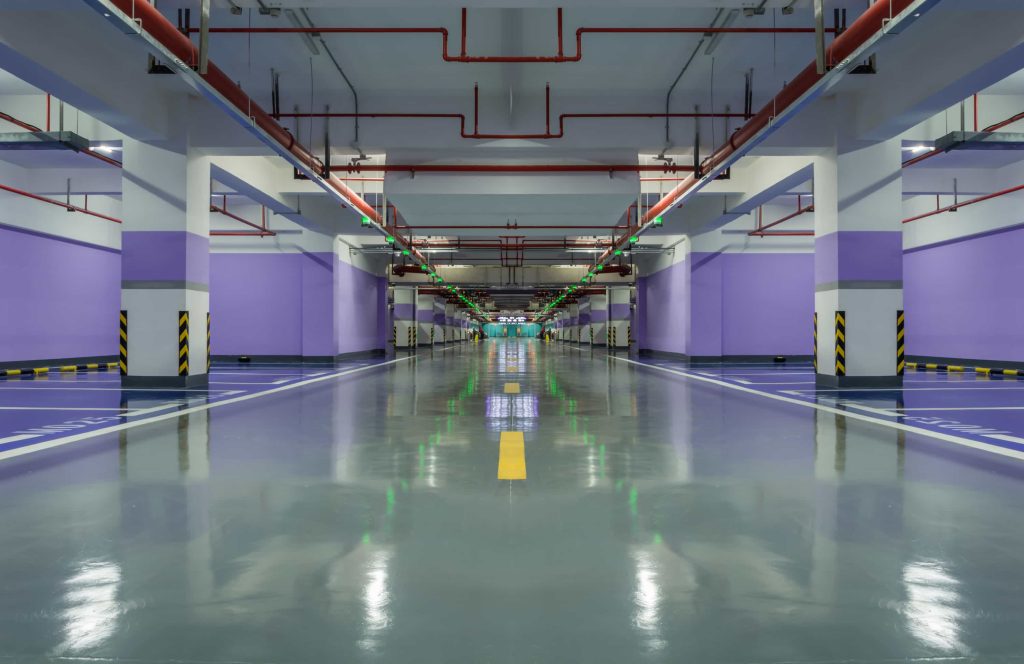
This type of flooring is a synthetic resin applied over concrete to create a smooth, durable, and often glossy surface. It’s known for its clean, modern look and strong resistance to stains and chemicals. Epoxy flooring is often used for garages, showrooms, and labs.
Installing this requires the concrete to be finished and cleaned first. Next, the primer and base coat will be applied, then a topcoat for protection. This is usually done by professionals.
Pros
- Durable and tough
- Resistant to stains, chemicals, and moisture
- Easy to clean and aesthetic
Cons
- Requires strong prep work
- Difficult to remove
- Can be slippery when wet
Final Thoughts on the Types of Flooring
While choosing the right type of flooring for your home can be challenging, knowing a bit about each type and what they’re meant for can make the process easier. Ultimately, it depends on your preferences, from the look and purpose to the budget.
If you need any help, our lines are always open for a consultation with our flooring specialists.

Warm Regards,
Pauline Madani
Founder & Managing Director Nordic Homeworx
Frequently Asked Questions
Which type of flooring is best?
▼The best type will depend on the specific purpose and scenario. Each room will have a different purpose, thus having a different requirement for flooring. This can be based on durability, comfort, and more.
What is the highest quality flooring?
▼Generally, porcelain tile, natural stone, and solid hardwood are among the highest quality types of flooring because of their durability, aesthetic appeal, and premium feel.
What type of flooring is best for kitchens?
▼Kitchens do best with flooring that can handle spills, frequent cleaning, and foot traffic. This means the luxury vinyl, porcelain tile, and laminate flooring are among the best options.
What type of flooring is great for high-traffic areas?
▼For high-traffic areas, strong and durable flooring works best. Strong contenders include luxury vinyl, laminate, engineered hardwood, and porcelain tile flooring.
Which flooring is the easiest to maintain?
▼Generally, the easiest type of flooring to maintain is porcelain tile, but other types include luxury vinyl plank, laminate, and ceramic tile.