



Herringbone Flooring: Patterns and Ideas for Modern Homes
February 13, 2026
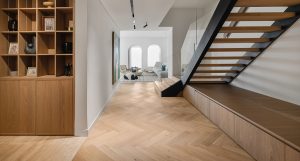
Sur La Mer Townhouse displays Kährs Oak Herringbone AB & CC Dim White floors with Oak Nouveau Black, enhancing depth and contrast.
Few flooring choices can transform your home as dramatically as herringbone flooring. Its interlocking zigzag pattern brings rhythm, depth, and subtle movement that straight-laid planks cannot replicate.
Over years of installing herringbone floors in everything from Scandinavian-inspired apartments to contemporary villas, we see every home gain a refined, structured, and welcoming feel.
In this guide, we explore what herringbone flooring is, popular pattern variations, the best materials and design options, and essential installation and care tips so you can enjoy a floor that reflects your style, elevates your interiors, and becomes part of your home’s story.
What Is Herringbone Flooring
Rectangular planks arranged at 90 degrees create a striking zigzag pattern known as herringbone flooring, where each plank’s end meets the side of the next. This staggered, broken layout adds movement, rhythm, and structure to any space. The design takes its name from the skeleton of a herring fish, reflecting its precise, linear geometry.
Why Herringbone Flooring Stands the Test of Time
Herringbone has a long and distinguished history. It first appeared in Roman road construction and later became a hallmark of European craftsmanship in the 17th century. Its enduring appeal is no accident, as the layout works visually, structurally, and proportionally, creating spaces that feel balanced and thoughtfully designed.
Engineered wood and luxury vinyl tiles (LVT) are commonly used for herringbone floors. These materials perform reliably in homes with air-conditioning and temperature changes, keeping the floor looking flawless while minimising warping or gaps
10 Herringbone Flooring Pattern Types
Herringbone flooring isn’t a one-size-fits-all design. Different layout variations can completely change the look and feel of a room. Selecting the right pattern ensures the floor remains both visually striking and practical for everyday use.
1. Traditional Herringbone
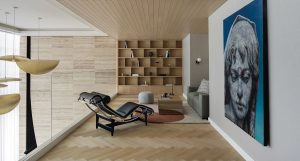
Sterling Tower Penthouse highlights Kährs Oak Herringbone AB Crème White floors, adding texture and continuity to this stylish home.
The classic zigzag layout uses rectangular planks placed at 90 degrees to each other, creating a staggered pattern that feels balanced and structured. This versatile design works in nearly any room and complements both contemporary and traditional interiors.
2. Double Herringbone
Two planks placed side by side before turning at 90 degrees add depth and visual richness. This pattern is particularly effective in living rooms or open-plan spaces where the floor becomes a subtle design feature.
3. Skinny Extra-Long Herringbone
Long, narrow planks create an elongated zigzag that draws the eye across expansive rooms or feature walls. This layout works beautifully in high-ceilinged spaces, providing a striking sense of flow and movement.
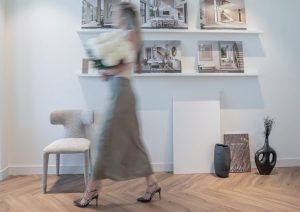
Skinny Extra-Long Redwood Herringbone floors bring texture and sophistication to Elementa Design Studio, Gold & Diamond Park, Dubai.
4. Herringbone with Square Insert
Adding a small square between traditional herringbone blocks introduces a subtle architectural detail. This pattern is ideal for entryways, corridors, or rooms that benefit from extra visual interest without overwhelming the space.
5. Block Basket Weave
Combining 4×4 plank blocks laid in alternating directions creates a woven effect. The design adds elegance and timeless character, making it an excellent choice for formal living spaces or reception areas.
6. 5-Block Basket Weave with Square Insert
A more intricate version of the basket weave, this layout introduces an extra plank to punctuate the pattern. It works well in larger rooms where the floor itself is intended to be a standout feature.
7. Straight Lay Herringbone
Arranging blocks side by side forms a brick-like effect, giving a minimalist and clean aesthetic. This layout works well in modern apartments or narrow spaces, offering rhythm and structure without visual clutter.
8. Ladder Herringbone
The ladder pattern uses mostly vertical planks interrupted by horizontal “rungs,” creating both movement and structure. This design is particularly effective in hallways or elongated rooms, guiding the eye naturally along the space.
9. Chequerboard
Square blocks arranged in alternating light and dark tones create playful contrast and visual drama. This premium pattern is suitable for feature areas or as a statement floor in high-end residences.
10. Plank and Herringbone Mix
Alternating herringbone blocks with longer planks produces a straight-line effect while retaining the classic zigzag texture. This layout works well in narrow or irregularly shaped spaces, bringing balance, rhythm, and visual interest.
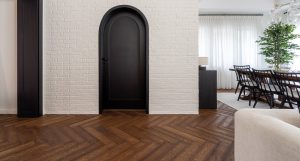
Alvorada Villa displays Herringbone Oak CD Smoked Oil floors, enriching the living spaces with warmth and timeless character.
Why Herringbone Flooring Works in Modern Homes
Herringbone flooring is a proven way to bring timeless character and modern elegance to residential interiors.
Adds Depth Without Visual Clutter
Herringbone introduces subtle texture and rhythm, giving rooms a natural sense of movement without overwhelming the space. It works especially well in minimalist interiors where clean lines and restrained design take priority.
Enhances Spatial Perception
When aligned with a room’s longest dimension, the pattern naturally draws the eye forward. Narrow corridors feel wider, compact rooms appear more open, and larger spaces gain clearer visual direction and balance.
Aligns with Scandinavian & Contemporary Design
The clean geometry of a herringbone pattern pairs naturally with modern and Scandinavian interiors. Oak flooring works particularly well alongside neutral palettes, soft textiles, and simple architectural detailing, creating spaces that feel refined yet comfortable.
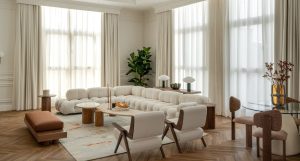
In Abu Dhabi’s Mushrif Villa, the living room anchors the elegant interiors with classic Redwood Herringbone flooring.
Timeless and Durable
Beyond aesthetics, herringbone stands up to daily use while maintaining its architectural charm. Its structured pattern and durable materials ensure elegance for years, providing a reliable choice for any home renovation.
Tips for Choosing the Right Herringbone Pattern
Selecting the perfect herringbone layout can transform a room’s look and feel. Consider these key factors to ensure your floor is both beautiful and functional:
- Choose a pattern that suits your room’s proportions. Narrow or mini patterns open up small spaces, while wide or long-plank layouts create a sense of grandeur in larger rooms.
- Select materials that perform under local conditions. Choose engineered oak or LVT that maintain stability and beauty despite temperature changes and air-conditioning.
- Set the mood through style. Decide whether classic patterns like traditional or straight lay suit your space for understated elegance, or if chequerboard or double herringbone will give you bold visual interest.
- Invest in professional installation. Make sure alignment and subfloor preparation are precise to prevent visible deviations and ensure long-term durability.
- Plan for daily use and lifestyle. Consider how high-traffic areas and furniture placement may affect your floor to maintain both aesthetics and practicality.
- Use finishes and textures to enhance the design. Select matte or natural finishes to emphasise the wood’s grain and complement Scandinavian or contemporary interiors.
Choosing the Right Material for a Herringbone Wood Floor
Not all timber performs equally in a herringbone layout. Because the pattern relies on precise geometry, using wood with consistent grain and stable dimensions is essential to create a flawless, long-lasting floor.
Why Oak Remains the Standard Choice
Oak remains the most popular choice for herringbone floors thanks to its reliability and timeless appeal. Its tight, straight grain highlights the zigzag pattern, giving the floor a structured, elegant look.
Its durability makes oak ideal for family homes, while its neutral tones suit nearly any interior style. The wide range of finishes allows it to complement both contemporary and traditional spaces effortlessly.
Engineered oak is especially well-suited to environments with temperature or humidity variations. According to the Timber Research and Development Association (TRADA), engineered timber offers significantly improved dimensional stability compared to solid wood. This reduces the risk of warping or gaps, keeping your herringbone floor looking flawless for years.
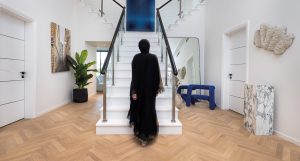
Sanctuary Falls Villa in Jumeirah Golf Estates, anchors Kährs Studio Oak AB White herringbone floors in the entrance and hallways.
Other Timber Options to Elevate Your Space
Beyond oak, other timber options offer unique aesthetics and character that can enhance the style of your herringbone floor.
| Timber | Characteristics & Ideal Use |
| Ash | Light, airy tones; brings a sense of calm; perfect for Japandi or Nordic-inspired interiors |
| Walnut | Dark and dramatic; adds warmth and a touch of luxury to any room |
| Maple | Pale and reflective; enhances brightness, making smaller or dimly lit spaces feel more open and inviting |
Plank Width Matters
The width of your planks influences the overall style and feel. Narrower planks (60 to 70mm) create a traditional, intricate appearance, while wider planks (90mm+) give a contemporary, relaxed aesthetic. Always consider roo
Where Herringbone Flooring Works Best
Different spaces benefit from herringbone flooring in unique ways. We’ve seen the pattern transform everything from airy open-plan living areas to compact home offices, adding style and functionality in equal measure.
Living Rooms & Open-Plan Spaces
Aligning herringbone along the room’s longest axis creates directional flow and visual structure without the need for physical dividers. The pattern adds sophistication and guides the eye naturally across expansive layouts.
Hallways & Corridors
The diagonal geometry widens narrow corridors visually, while a subtle border in a contrasting tone adds a refined finishing touch. This approach ensures even the smallest passageways feel spacious and considered
Bedrooms
A naturally oiled oak herringbone floor brings warmth and balance to sleeping spaces. Diagonal layouts can also help correct disproportionate room shapes, making bedrooms feel more harmonious and inviting.
Home Offices
Luxury vinyl herringbone withstands chair movement and daily wear while retaining the authentic wood look. This makes it an ideal solution for high-traffic or practical workspaces without compromising style.
Tailored Design for Every Space
Adapting patterns, materials, and layouts to each room’s size and function ensures every herringbone floor is both visually striking and built to perform for years to come.
Installation and the Role of Precision
Herringbone flooring demands far more precision than straight-plank layouts. Every detail matters to achieve a flawless finish.
Subfloor Preparation
The base must be clean, dry, and level (within 2 mm over 2 metres, as per BS 8203). Conduct moisture testing to protect the floor from warping or gaps over time.
Accurate Layout Planning
Start from a precise centre line. Even slight misalignment multiplies across the room, disrupting the pattern and overall symmetry.
Professional Installation Recommended
Herringbone magnifies small mistakes. Our installers ensure perfect alignment, maintain the integrity of the pattern, and minimise material waste, delivering a floor that performs beautifully for years.
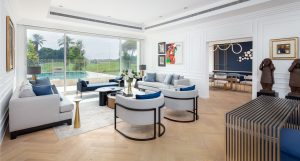
Hattan Villa living room is fitted with Oak Herringbone AB Crème White floors in a clean herringbone layout.
Investment Considerations for Herringbone Flooring
Often regarded as a premium flooring choice, herringbone flooring reflects the additional craftsmanship required in both material selection and installation. Unlike straight-laid planks, the patterned layout involves careful planning, precise cutting, and accurate alignment to achieve a balanced and seamless finish.
Several factors influence the overall investment, including material type, plank dimensions, pattern complexity, and the condition of the existing subfloor. Proper preparation and skilled installation are essential to ensure long-term stability and visual consistency.
While the initial investment may be higher than standard flooring layouts, a professionally installed herringbone floor delivers enduring aesthetic appeal, structural reliability, and lasting value for your home.
Maintenance & Long-Term Care
A herringbone wood floor performs best with consistent care and attention. Follow these guidelines to preserve both its beauty and durability:
Daily Care
- Sweep or vacuum regularly to remove dust and grit from your floor.
- Use a lightly damp mop when cleaning the surface.
- Avoid excessive water, which can damage your timber.
Preventative Measures
- Place felt pads under furniture to prevent scratches.
- Use rugs in high-traffic areas to reduce wear.
- Avoid dragging heavy objects across your floor.
Refinishing
- Solid oak can be sanded and refinished multiple times.
- Engineered boards can be refinished depending on the wear layer thickness.
Maintain indoor humidity between 40 to 60% to keep your floor performing at its best.
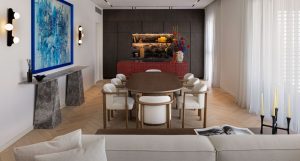
Nikki Beach Residences living spaces accentuate Oak Herringbone AB Crème White floors, balancing the bold interior elements.
Common Mistakes to Avoid
Avoiding these common errors helps ensure your herringbone floor performs beautifully and remains visually flawless:
- Skipping moisture testing can cause your floor to warp or joints to separate.
- Choosing solid wood in high-humidity areas may result in expansion, contraction, and gaps over time.
- Ignoring expansion gaps around walls and fixed elements can lead to buckling as the timber naturally moves.
- Poor subfloor preparation can create uneven surfaces, visible misalignment, or material waste.
- Attempting DIY installation without careful layout planning often results in misaligned patterns and a less precise finish.
Paying attention to these details during installation helps you prevent costly corrections and ensures your floor remains elegant and durable for years to come.
Is Herringbone Flooring Right for Your Home
If you appreciate craftsmanship and architectural detail, plan long-term renovations, and prefer natural materials, a herringbone floor can make a subtle yet impactful statement. It adds structure and elegance to your space without relying on bold colours.
Herringbone may not suit every project, especially if your focus is on the lowest cost or a quick cosmetic update. Achieving the full visual impact and long-term performance requires careful planning and precise installation.
From our years of installation, we know that selecting the right species, plank width, and layout ensures your floor not only enhances style but also stands the test of time. Herringbone combines visual balance, structural logic, and proven durability, making it a lasting investment that continues to perform beautifully for years.

Warm Regards,
Pauline Madani
Founder & Managing Director Nordic Homeworx
Frequently Asked Questions
Does herringbone increase home value?
▼Yes. A well-executed herringbone floor can enhance both the aesthetic appeal and perceived value of a home. Its timeless design, attention to detail, and visual impact make it a sought-after feature for prospective buyers.
What should I consider before choosing herringbone flooring?
▼Herringbone is a premium pattern that requires precise installation and careful material selection. Consider room size, plank width, and maintenance requirements to ensure the floor delivers the desired visual effect and long-term performance.
Which flooring patterns create a premium, high-end look?
▼Patterns such as herringbone, chevron, and intricate parquet layouts instantly elevate the visual character of a space. Combining these designs with high-quality materials and finishes amplifies the luxurious feel of any room.
Is herringbone flooring more expensive?
▼Generally, yes. Herringbone requires additional planning, cutting, and skilled installation compared to straight-laid planks. While the upfront cost is higher, the investment is justified by its durability, design impact, and long-term value.
Should your flooring be lighter or darker than your walls?
▼It depends on the effect you want to create. Lighter flooring can make a space feel more open and airy, while darker flooring adds warmth, contrast, and depth. Herringbone patterns work beautifully with both approaches, enhancing texture and visual interest.