



Wood Termites: Signs, Types, and Treatment
November 19, 2025
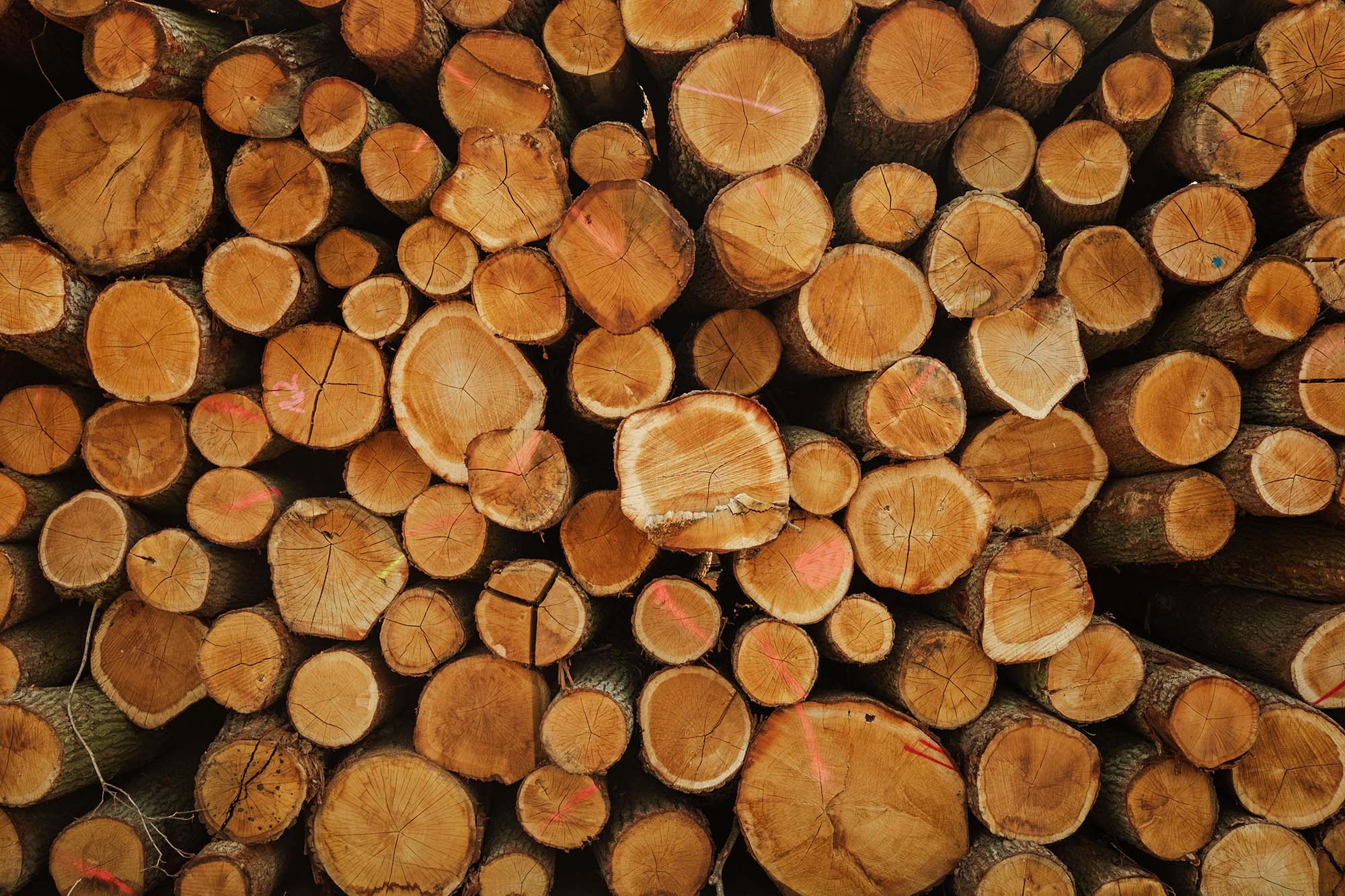
Stacked logs with visible growth rings and natural wood textures.
Wood termites are among the most damaging pests that can infest a home. These pests feed on cellulose, the main material found in wood and many products made from wood. Once they find a food source, they can continue feeding quietly for long periods.
What makes wood termites particularly concerning is how hidden the damage can be. Termites generally eat wood from the inside out, so while the surface may look fine, the inside is weakened and hollowed.
That’s why infestations are sometimes only discovered after serious structural issues appear. They can do this without being noticed. In this blog, we’re going to learn more about wood termites, including the types, signs, and tips on how to protect your home.
What Are the Types of Wood Termites?
“Wood termites” is a common term people use for termites that invade and feed on wooden materials. In most cases, the term refers to three main termite groups that can damage wood:
Drywood Termites
Drywood termites live inside the wood they eat, which means they don’t need to have contact with soil to survive. These termites can infest roof timbers, walls, framing, wooden furniture, and doors.
Because they live inside dry wood itself, drywood termite infestations are found in warmer areas, especially in coastal or tropical climates. One common sign they leave is frass, which are pellet-like droppings they push out in infested wood.
Subterranean Termites
Subterranean termites are the most widespread and often the most destructive type in many regions. This type of wood termites live in soil since they need moisture to survive. They travel to the wood by building mud tubes, which protect them from the open air and help them move.
These termites generally enter buildings through cracks in foundations, gaps in pipes, and wood-to-soil contact.
Dampwood Termites
Another type of wood-destroying termite is the dampwood termite. These pests prefer wood that has high moisture content, which means one affected by leaks, poor drainage, decay, or rainy weather. They are less likely to infest dry wood compared to other types, but they can be a problem.
What Causes Wood Termites?
Termites appear because of certain conditions. They’re usually attracted to homes because the environment provides food, moisture, and shelter. Here’s what causes wood termites:
Moisture and Damp Conditions
Moisture is one of the biggest termite attractors. Areas with leaks, poor drainage, and poor ventilation can create the perfect conditions for termites to thrive. This is because moisture is essential for termites to survive, and it also makes wood easier to digest.
Wood-to-Soil Contact
When wood touches soil directly, it creates an easy entry point for subterranean termites. These termites live on the ground and can easily enter wood that is in contact with soil. Examples include wooden posts, deck supports, door frames close to ground level, and stored wood on the ground.
Cracks and Openings
Subterranean termites can enter through very small gaps. These include cracks in foundations, joints in concrete slabs, and spaces around utility pipes. Once inside, they can move into wood framing and spread.
Wood Near the House
Storing wood near the home can attract termites. This includes stacked firewood, scrap lumber, fallen tree branches, old stumps, and construction debris.
Warm and Humid Regions
Some regions with warm and humid climates are more prone to wood termites. In tropical and subtropical regions, wood termites are a year-round problem.
What Are the Signs of Wood Termites?
One of the biggest challenges with termites is that they can stay hidden for a long time. Since they reside within wood, it’s best to look for any possible signs. These include:
-
Hollow-Sounding or Weak Wood. Since termites eat the wood from the inside, any wood that may look normal but has a hollow sound when tapped is a sign. This wood may also feel weak, with some even crumbling or cracking easily when pressed.
-
Frass. Drywood termites produce frass, which looks like small, dry pellets or coarse sand. You may notice it collecting in areas like wooden furniture, door and window frames, and wall cracks.
-
Mud Tubes. Mud tubes are one of the most recognizable signs of subterranean termites. These are thin, tunnel-like structures that are made from soil, wood particles, and termite saliva. They are often found along the foundation walls, concrete cracks, and support beams near the ground.
-
Discarded Wings. Many termite species produce winged swarmers, which fly off to leave their colony to start new ones. After swarming, they shed their wings. These wings can be seen in doors or windowsills.
-
Wood Damage. Any form of damage, such as blistering pain, bubbling wall surfaces, small holes, or even mud or dirt inside the wood, can be a sign of termites. In some cases, the wood termites might cause doors and windows to swell, making them hard to open and close.
How to Get Rid of Wood Termites?
If you notice wood termites, there are a couple of things you can do at home. Some infestations can be treated with DIY solutions, while others require advanced treatment.
DIY Methods
For small infestations, you can start with these techniques:
-
Wood and Soap Spray. Mix water, dish soap, and white vinegar. Spray this solution directly into the termites and the infested wood.
-
Borate Wood Treatment. Borate-based products can be applied directly to bare wood to help protect it against termites. When termites feed on treated wood, the borate affects them and can help stop further damage.
-
Diatomaceous Earth. Spread and sprinkle this powder on the wood to dehydrate termites as they pass through it.
Advanced Treatments
For more complex termite infestations, here are a few solutions:
-
Fumigation. If drywood termites are spread throughout a structure, fumigation is often the most reliable option. This works by sealing the home and using a gas treatment to penetrate wood and eliminate the termites.
-
Liquid Termiticides. For subterranean termites, one of the most common professional solutions is applying a liquid termiticide to the soil around the structure. This will eliminate the termites that pass through here.
-
Termite Baiting Systems. Professional bait systems can attract termites, acting as a slow poison that inhibits their growth and reproduction. This can be effective and is less invasive.
Home Tips: How to Prevent Wood Termites?
A great way to protect the home is to prevent wood termites from ever causing damage. Here are a few tips you can easily follow:
1. Control Moisture and Fix Leaks
Since moisture can attract termites, be sure to take note of any plumbing and roofing leaks, as well as any drainage problems. Keeping the home dry can significantly reduce the risk of wood termites.
2. Avoid Wood-to-Soil Contact
Keep wooden posts and supports away from soil, and use concrete or metal structures where possible. If you have some wood or any wood-based products, keep them off the soil.
3. Remove Debris
Clear any wood scraps and cardboard away from your property and dispose of them properly. This is especially important after some home construction or renovation.
4. Seal Cracks and Entry Points
Sealing entry points can reduce access routes to help prevent the spread of wood termites. Pair this with moisture control and regular inspections.
5. Get Regular Termite Inspections
A professional inspection can detect early activity and identify risk factors. If any are detected, the right solutions can be instilled as soon as possible.

Warm Regards,
Pauline Madani
Founder & Managing Director Nordic Homeworx
Frequently Asked Questions
What type of wood do termites like?
▼Termites love soft, decaying wood because it is easy to digest. They also love soft wood like pine, spruce, and fir.
Do wood termites bite humans?
▼Yes, they can bite humans, but it is quite rare and only by soldier termites with strong mandibles. Plus, it’s also not medically significant.
How to get rid of termites permanently?
▼The most reliable long-term solutions are professional treatments like bait systems or fumigation. It also helps to reduce moisture, avoid wood-to-soil contact, and do regular inspections at home.
What smells keep termites away?
▼Wood termites don’t like strong smells from essential oils. This includes clove oil, orange oil, neem oil, and tea tree oil. However, scents alone do not eliminate a colony or provide reliable long-term protection.
What kills termites fastest?
▼Fastest results usually come from direct-contact treatments, such as targeted termiticides, contact killers, and wood treatments.