



How to Protect Wood Floors: Tips to Prevent Paint Stains and Damage
March 12, 2026
Sur La Mer townhouse, Jumeirah 1, where Kährs wood floors in pale oak and deep chocolate tones create a confident, layered interior.
A quality wood floor is one of the most considered investments you can make in a home. It shapes the feel of every room it runs through, and when well maintained, it only improves with time. However, wood floors are vulnerable, especially during renovation work, redecorating, or any project that brings paint, heavy furniture, or construction materials into a finished space.
Most damage is entirely preventable. With the right preparation and a few consistent habits, you can protect your floors through any project and keep them looking exactly as they should for years to come.
In this guide, we will share practical tips and strategies to prevent paint stains, scratches, and other damage, helping your wood floors stay beautiful and lasting for decades.
What Are the Risks to Wood Floors
Before you can protect a wood floor effectively, it helps to understand what actually causes damage. The risks fall into two broad categories: immediate incidents like paint spills, and gradual wear that builds up unnoticed over time.
Common Causes of Paint Stains
Paint is one of the most frequent causes of floor damage during home projects. Drips from rollers, spills from open tins left on the floor, and overspray from aerosol products can all leave marks that are difficult or impossible to remove once dry, particularly on oiled or lacquered wood surfaces where the finish absorbs liquid quickly.
In homes where renovation work is ongoing across multiple rooms simultaneously, the risk increases considerably. Paint-laden footwear, brushes rested on unprotected surfaces, and the general movement of materials through a space can all result in contact that goes unnoticed until after the damage is done.

One Za’abeel Residences, where a custom Kährs chevron wood floor in soft pale oak sets a warm, minimalist tone throughout.
Other Sources of Floor Damage
Wood floors face a variety of everyday risks beyond paint, and these threats often accumulate gradually if left unchecked. Understanding them is the first step to keeping your flooring looking pristine.
Furniture and Scratches
Moving furniture without adequate protection is one of the most common causes of surface scratching. This is especially true for heavier pieces that are repositioned during cleaning or redecorating. Using protective pads under furniture legs and lifting rather than dragging items can help minimise wear. In high-traffic areas, area rugs also provide a buffer that preserves the floor’s finish.
Moisture and Humidity
Wood is sensitive to changes in moisture, which can cause joint contraction or subtle warping over time. Seasonal humidity fluctuations or air-conditioned interiors can amplify these effects. Maintaining consistent indoor humidity, avoiding prolonged exposure to standing water, and monitoring moisture ingress around windows and doors can all help protect the integrity of your floors.
Water Spills and Accidental Contact
Everyday spills, from plant pots, drinks, or cleaning mishaps, can damage the finish if left unattended. Even minor contact over time can accumulate, dulling the floor’s appearance. Wiping up spills immediately, using trays or coasters under items, and keeping cleaning routines gentle all contribute to preserving the floor’s natural beauty.

Kährs Akkelis and Redwood LVT at Sur La Mer, Jumeirah 1, where rich brown tones and rustic texture bring natural warmth to every level.
Essential Preparations Before Painting or Renovating
The most effective way to protect wood floors during any project is thorough preparation before work begins. Reactive measures after damage has occurred are far less reliable than getting the protection right from the start.
Clear and Clean the Area
Begin by removing all furniture, rugs, and loose items from the room. Even pieces that seem far from the work area should be moved because paint spray travels further than most people expect, and furniture legs can transfer material onto the floor when repositioned.
Once the room is clear, sweep thoroughly and follow with a slightly damp mop to remove any grit or dust. Abrasive particles left on the surface act like sandpaper under foot traffic and drop cloths, causing scratching before the project has even started.
Use Protective Coverings
Heavy-duty canvas drop cloths are the most reliable choice for covering wood floors during painting or renovation work. Unlike thin plastic sheeting, canvas stays in place, absorbs drips rather than pooling them, and does not create a slip hazard underfoot. For engineered wood floors, layering a plastic sheet beneath the canvas provides an additional barrier against any liquid that might seep through.
Run painter’s tape along the junction between the skirting board and the floor before laying coverings down. This prevents paint from tracking underneath the cloth at the edges, which is where most paint contact occurs. Secure the cloths firmly so they do not shift during the course of the work.
Temporary Furniture Protection
When furniture needs to remain in the room or be moved during the project, fit felt pads to all legs before repositioning anything. Furniture sliders placed under heavier pieces allow them to be shifted smoothly across the floor surface without dragging.
Even a brief drag across an unprotected wood floor can leave a mark, so this step takes very little time but prevents damage that would otherwise require professional attention.

Sur La Mer townhouse finished in Kährs Akkelis and Redwood LVT, where warm tones and rustic texture add quiet depth.
Practical Techniques to Prevent Paint Stains
The most effective way to protect wood floors during any project is thorough preparation before work begins. Reactive measures after damage has occurred are far less reliable than getting the protection right from the start.
Choosing the Right Protective Materials
Reusable canvas drop cloths, quality painter’s tape, and purpose-made floor protection boards are worth the investment for any sizable project. Non-slip mats at entrances help prevent paint from being tracked in from other areas.
For multi-day projects, keep all protective coverings in place rather than removing and replacing them each session to ensure continuous protection.
Safe Painting Practices
Keep paint containers closed when not in use. Work away from floor edges and use a small tray or palette for touch-ups instead of placing full tins on the floor. Overloaded rollers shed excess paint, so load them moderately to avoid drops.
Quick Cleanup Strategies
Act immediately if paint reaches the floor. A damp, lint-free cloth removes most water-based paints, while oil-based spills can be addressed carefully with a suitable solvent followed by water. Avoid harsh chemical cleaners, as they can dull or damage the finish over time.
Long-Term Protection and Maintenance for Wood Floors
Day-to-day care matters as much as project-specific protection. A consistent maintenance routine is what keeps a wood floor looking its best between renovations and over the long term
Regular Cleaning and Care
Sweep or vacuum daily in higher-traffic areas to remove grit before it can abrade the surface. Use a microfibre mop for regular cleaning rather than a wet mop, as excess moisture is one of the most common causes of gradual finish deterioration. Avoid steam cleaners entirely on wood floors, as the combination of heat and moisture penetrates the finish and can cause irreversible swelling or discolouration.

Business Bay penthouse where Kährs Oak Biscotti grounds a bold, creative interior with warm brushed oak and natural depth throughout.
Protective Coatings and Finishes
The surface finish on a wood floor protects against staining, scratching, and moisture. Hardwax oil finishes suit engineered wood in residential settings, offering a natural look and reliable protection. Lacquered finishes are harder and easier to clean but are less simple to repair if damaged.
Reapplying a maintenance coat to oiled floors every one to two years, depending on traffic, keeps the protective layer effective and extends the floor’s lifespan. Always use products recommended for your specific finish, as incompatible products can cause clouding or adhesion issues.
Preventative Measures for High-Traffic Areas
Place quality rugs or runners at entrances and in hallways where foot traffic is heaviest. These capture grit and moisture before they reach the floor surface and significantly reduce wear in the areas most prone to it. Rotate their position periodically so that any wear underneath distributes evenly rather than concentrating in a single area.
In our residential flooring projects, careful placement of rugs and ongoing maintenance have been key to preserving the finish and extending the life of wood floors.
When to Seek Professional Help
Some floor issues can be managed by a careful homeowner. Others are best left to experts, as DIY repairs on a quality wood floor can sometimes cause more harm than the original problem.
Signs Your Floor Needs Expert Attention
Persistent stains that do not respond to appropriate cleaning products, scratches that have penetrated the finish into raw wood, warping or cupping along plank edges, and peeling or flaking finishes are all signs that professional assessment is needed. These are not cosmetic issues that will resolve themselves; addressing them correctly requires the right expertise and equipment.
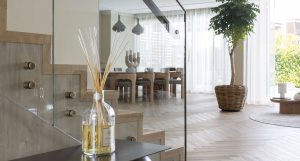
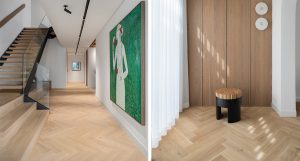
At Golf Place Villa, Dubai Hills, Kährs Taiga Herringbone brings warmth and quiet sophistication to every room.
How We Protect and Restore Floors
We can restore floors with significant surface wear to a condition very close to their original state. Localised repairs, such as replacing individual boards or spot-finishing sections, are often possible without affecting the wider floor.
We guide homeowners through these situations every day, offering advice on protection, restoration, and ongoing maintenance. Acting early ensures that issues remain cosmetic rather than structural, preserving both the beauty and longevity of your wood floor.
Long-Term Care for Your Wood Floor Investment
Wood floors reward the care you give them. The steps covered here, including thorough preparation before renovation work, consistent daily maintenance, using the right products for your specific finish, and professional support when needed, are all that is required to keep a quality floor looking and performing beautifully for decades.
The investment you made in your floor is worth protecting. When approached with the same care and consideration used to select it, your wood floor will remain one of the most rewarding and enduring features of your home for many years. We work closely with homeowners to ensure every floor receives the attention it deserves, helping it stay beautiful and resilient over time.

Warm Regards,
Pauline Madani
Founder & Managing Director Nordic Homeworx
Frequently Asked Questions
Can I leave protective coverings on my wood floor for several weeks during a long renovation?
▼Canvas drop cloths are a better choice than plastic sheeting for extended periods. Plastic traps moisture underneath, which can cause the wood to swell or the finish to lift. Canvas breathes, making it significantly safer for long-term coverage.
Is it safe to use painter's tape directly on a wood floor finish?
▼It depends on the finish and how long the tape is left in place. Applied briefly and removed carefully, it is generally safe on lacquered or hardwax oiled surfaces. Left for several days, however, the adhesive can bond to the finish and cause damage. The safer approach is always to tape coverings to the skirting board rather than directly to the floor
How do I remove dried paint from an engineered wood floor without damaging the finish?
▼For dried water-based paint, a plastic scraper at a low angle followed by a lightly damp cloth will remove most residue. For oil-based paint, a small amount of appropriate solvent applied carefully is the starting point. Professional assessment is advisable if the area is large or the finish is particularly delicate.
Does moving furniture frequently cause long-term damage to wood floors?
▼It can, particularly if furniture is dragged rather than lifted. Repeated dragging creates fine scratches that dull the finish gradually and become increasingly visible over time. Felt pads on all furniture legs and the habit of lifting rather than sliding are the two simplest and most effective preventative measures.
How often should a hardwax oiled wood floor be recoated to maintain its protection?
▼Once every one to two years in a well-used residential space, though high-traffic areas may require attention sooner. The clearest indicator is the surface itself. When water no longer beads and is absorbed instead, a maintenance coat is due.