


What Is Minimalist Interior Design? Tips and Ideas (2026)
March 9, 2026
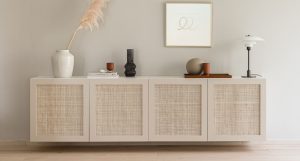
A private villa in The Meadows, where Kährs Oak Sky sets a soft, natural tone for minimalist interior design.
There is a reason minimalist interior design has stayed relevant for decades while other trends have come and gone. It is not simply about owning less or keeping surfaces bare. At its core, minimalism is a deliberate approach to how a home looks, functions, and feels, one that prioritises clarity over clutter, quality over accumulation, and calm over visual noise.
Rooted in Scandinavian design philosophy, the minimalist home is built around the idea that every element in a space should earn its place. When that principle is applied thoughtfully, the result is a home that feels lighter, more considered, and genuinely easier to live in.
In this guide, we will explore how the right flooring choices can create a harmonious foundation that enhances the overall design and feel of your home.
Understanding the Principles of Minimalist Interior Design
Minimalist design is built on a small number of principles, each one reinforcing the others. Get these right and everything else follows naturally.
Simplicity and Functionality
If something does not serve a purpose, it probably does not belong. This does not mean a home should feel cold or impersonal. It means every furniture choice, material, and layout decision should be guided by how the space will actually be used.
In homes with generous proportions and high ceilings, this principle carries particular weight. The architecture itself becomes part of the design, and anything that interrupts that sense of volume works against the space rather than with it.
Quality Over Quantity
When you remove visual noise, what remains becomes far more visible, which means every piece needs to be worth looking at and built to last. This is where Scandinavian design has always excelled: fewer, better things, crafted from honest materials and designed to age well.
The same logic applies directly to flooring. Premium engineered wood flooring brings warmth and authenticity to a minimalist interior in a way that synthetic alternatives rarely sustain over time.
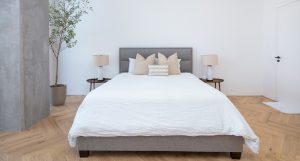
KOA Canvas apartment in Al Barari, where Oak Herringbone CC Dim White adds quiet warmth and timeless character throughout.
Neutral Colours and Natural Materials
Whites, warm greys, soft beiges, and muted earth tones form the foundation of the Scandinavian palette because they allow light to move freely and let the texture of materials speak for themselves.
In interiors with large windows and abundant natural light, this effect is amplified considerably. Strong sunlight brings out the grain of real wood and the quiet depth of natural textiles in a way artificial materials simply cannot match. The material itself becomes the detail.
Essential Design Elements for a Minimalist Home
These are the practical decisions that give minimalist design its structure. Each one builds on the last.
Open Space and Layout Planning
Space is not wasted in a minimalist home; it is intentional. In open-plan living areas with generous floor-to-ceiling heights, the temptation is to fill the room. Minimalist design asks you to resist that instinct.
Keeping floor areas clear, maintaining visual flow between zones, and letting light reach as far into the interior as possible all define how a space ultimately feels. When air conditioning keeps interiors consistently cool and enclosed, that sense of openness becomes even more important to everyday comfort.
Strategic Storage Solutions
The practical challenge in minimalist design is making storage invisible without making it inaccessible. Concealed cabinetry, built-in storage walls, and furniture with integrated compartments allow a home to remain fully functional without compromising the aesthetic at its surface.
The principle is straightforward: keep what you need within reach, but keep it out of sight.
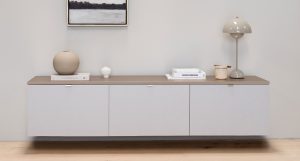
Kährs Oak Horizon featured in the Fronteriors lookbook, where natural warmth and minimalist interior design meet in a creative Al Quoz setting.
Statement Pieces with Purpose
Minimalism does not mean a room should be without character. One or two carefully chosen pieces per room, a sculptural light fitting, a considered accent chair, or a handwoven rug with genuine texture, can anchor a space and give it a clear point of focus without disturbing the calm around it.
The difference between a statement piece and clutter is always intention.
Flooring and Surfaces That Complement Minimalist Design
The floor sets the tone for everything above it. In a minimalist interior, that responsibility is greater than in almost any other design approach.
The Floor as the Foundation
The floor is the largest continuous surface in any room, and in a minimalist interior it carries more visual responsibility than almost anything else. In open-plan spaces where the same floor runs across multiple living zones without interruption, that responsibility is even greater.
The wrong choice will work against the entire aesthetic. The right one will unify the space and give it a sense of grounded warmth that no amount of furniture arrangement can replicate.
Material Choices for Minimalist Interiors
Wide-plank engineered wood in natural oak tones is one of the most consistently successful choices for minimalist interiors. It is warm without being heavy, textured without being busy, and its multi-layer construction performs reliably in air-conditioned environments where temperature and humidity are carefully regulated year-round.
Luxury Vinyl Tiles (LVT) in muted, stone-inspired tones offer similar visual calm in areas where additional durability is a practical requirement.
- Provides a uniform look across high-traffic zones
- Easy to maintain while keeping the minimalist aesthetic
- Works well in both residential and commercial minimalist spaces
Incorporating Patterned Flooring
Patterned floors, when chosen carefully, can work beautifully within a restrained scheme. Chevron and herringbone collections demonstrate how geometric pattern and minimalist design can coexist.
Tips for success
- Keep everything else in the room calm to let the floor carry the detail
- Use patterns sparingly in smaller spaces to avoid visual clutter
- Match plank width and finish to overall interior palette

Minimalist Interior Design Tips for Different Spaces
Minimalism applies differently depending on how a room is used. Here is how the principles translate across the spaces where it matters most.
Living Rooms
The living room is where minimalist design either succeeds or falls apart. In a spacious, light-filled living area, the instinct to furnish generously can be difficult to resist. Limiting seating to what the room genuinely needs, choosing low-profile furniture that does not interrupt the visual horizon, and allowing the floor and the light to define the space will always deliver a stronger result than layering in additional pieces.
A single work of considered art, good ambient lighting, and a floor that grounds the entire room are a more powerful combination than most people expect.
Kitchens and Dining Areas
Minimalist kitchens work best when storage is fully integrated and worktops are kept consistently clear. Streamlined cabinetry in a single tone, concealed appliances, and a coherent surface material throughout create a kitchen that feels composed and functional without visual interruption.
In the dining area, a well-proportioned table with chairs that share a common design language is genuinely all the room needs. Restraint here is not a compromise; it is the point.
Bedrooms and Bathrooms
The bedroom benefits more from minimalist principles than almost any other room in a home. Soft, neutral tones, a platform bed with clean architectural lines, adequate concealed storage, and natural flooring underfoot all contribute to a space that supports rest as much as it satisfies aesthetically.
In the bathroom, wall-mounted vanities, recessed shelving, and a limited material palette keep the room feeling open, considered, and easy to maintain.
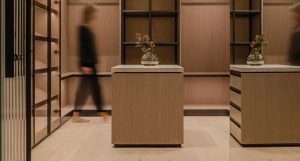
Limetree Valley Villa finished in Kährs Oak Nouveau Blonde, where natural texture and pale tones define a minimalist interior design sensibility.
Common Mistakes to Avoid in Minimalist Interior Design
Minimalism is more than a visual style; it is a deliberate philosophy. Common mistakes often undermine the calm, considered effect it is meant to achieve.
-
Treating Minimalism as Just a Style
Clearing surfaces and choosing a neutral paint colour does not create a minimalist home; it creates an incomplete one. True minimalism requires the same level of deliberate decision-making as any other design approach, applied with consistency across every room and every choice.
-
Over-Accessorising
Decorative objects introduced gradually have a way of accumulating, and each addition dilutes the calm that minimalist design depends on.
-
Compromising on Material Quality
In a room where there is very little to distract the eye, poor-quality flooring or inconsistent finishes become immediately visible. When the design is restrained, the materials have nowhere to hide.
Achieving a Timeless Minimalist Home
Minimalism ages well precisely because it does not follow trends. Investing in durable, natural materials, maintaining flexible layouts, and resisting the accumulation of unnecessary objects are habits that sustain the aesthetic over time.
Quality wood flooring, well-crafted furniture, and lighting designed to complement natural daylight form the enduring foundation of a minimalist home. The principle is simple: less, but better. In a space with light and room to breathe, the results speak for themselves.
We focus on helping homeowners create that foundation. From choosing the right flooring to planning a layout that truly supports minimalism, we guide every step of the process.

Warm Regards,
Pauline Madani
Founder & Managing Director Nordic Homeworx
Frequently Asked Questions
Does minimalist interior design work in a home that already has a lot of furniture?
▼Yes, and you do not need to start from scratch. Work room by room, removing anything that does not serve a clear purpose and evaluating what remains with fresh eyes. Minimalism is less about how much you own and more about how deliberately each piece is chosen and placed.
Can minimalist design feel warm rather than cold?
▼Absolutely, and this is one of the most common misconceptions about the style. Warmth comes from materials rather than quantity. The grain of real wood underfoot, the texture of natural linen, and the way light moves across a matte surface throughout the day all contribute. A restrained space filled with honest, natural materials will always feel more welcoming than a busy one.
How do you add personality to a minimalist home without cluttering it?
▼Through texture, material quality, and one or two genuinely considered pieces per room. A handwoven rug, a sculptural light fitting, or a single work of art chosen with care will carry far more character in a restrained space than a collection of smaller accessories ever could. Personality here is expressed through the quality of your choices, not the number of them.
Is minimalist design more expensive to achieve than other interior styles?
▼It can require a higher upfront investment, but it tends to cost less over time. Because the style depends on quality materials that age gracefully, you are buying fewer things and replacing them far less often. Poor-quality finishes become immediately obvious in a minimalist interior where there is nothing else to distract the eye.
How do you maintain a minimalist home once it is designed?
▼It requires ongoing intention rather than a one-time effort, as clutter accumulates gradually and needs periodic reassessment. Simple habits help enormously, such as designated storage for everything and a considered approach to bringing new objects into the space. The design is only as strong as the discipline that sustains it.