



What Are Floating Floorboards? Installation and Benefits
February 6, 2026

Kährs Studio Oak AB White Oil herringbone floors bring warmth and texture to One at Palm Jumeirah Penthouse.
There is more to a wood floor than the timber itself. The way it is installed shapes how it performs, how long it lasts, and how it feels underfoot every day. Floating floorboards represent one of the most considered approaches to modern floor installation, a system designed to work with the natural behaviour of wood rather than against it.
This guide covers the main types, how the installation works in practice, the key benefits, and what long-term care looks like, so you have everything you need to make an informed decision for your home.
What Are Floating Floorboards
Unlike traditional flooring methods, this installation system connects boards without nails or glue, allowing the surface to move naturally as one unified floor. This approach improves stability while accommodating natural expansion and contraction caused by temperature and humidity changes.
Floating floorboards are installed using a precision locking system, typically click-lock or tongue-and-groove mechanisms. Rather than being fixed directly to the subfloor, the boards rest above an underlay and function as a single continuous surface. This installation approach allows the floor to:
- The boards form one seamless surface across the room.
- The floor can expand and contract without damage.
- No rigid adhesive stresses the timber against the concrete base.
This method works particularly well with engineered oak floorboards. Engineered timber is designed to handle subtle movement caused by temperature and humidity changes, making it ideal for climate-controlled environments.

One Za’abeel Duplex features pale Kährs Studio Oak AB White chevron flooring with Piazza Oak stairs, creating a serene flow.
What Are the Key Parts of a Floating Floor System
To understand why floating floorboards perform so well, it helps to look at the three main components that make up a professional installation. Each layer contributes to stability, comfort, and long-term durability.
1. The Subfloor
In most homes, the subfloor consists of concrete or existing tile surfaces. This base provides the solid, level foundation required for a stable flooring installation.
2. The Underlay
A high-density foam or cork underlay is installed between the subfloor and the boards. This layer helps protect against moisture, reduces impact noise, and adds a subtle cushioning effect underfoot.
3. The Engineered Floorboards
These are the visible timber planks that lock together seamlessly. Engineered boards are designed to accommodate natural movement caused by temperature and humidity changes while maintaining a refined aesthetic finish.
Each layer works together to create a floating floor that remains stable, quiet, and long-lasting.
The Role of Underlay in a Floating Floor System
While the boards themselves often receive the most attention, the underlay plays an equally important role in how your flooring performs.
Installed between the subfloor and timber boards, the underlay acts as a functional foundation that enhances comfort, acoustics, and moisture protection.
A well-selected underlay can help:
- Reduce footstep noise between rooms or levels
- Improve walking comfort underfoot
- Provide insulation against temperature transfer
- Protect timber from residual subfloor moisture
In multi-storey residences or apartment living, this layer contributes significantly to acoustic performance, creating quieter and more comfortable interiors.
Choosing the correct underlay ensures the floating system functions as intended, not only aesthetically, but structurally.
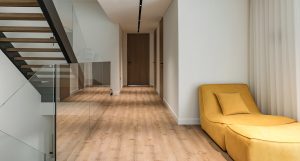
This three-story villa in Jumeirah 1, Sur La Mer Townhouse, showcases Kährs Akkelis and Redwood LVT floors with natural texture.
How Floating Floorboards Perform in Modern Interiors
Timber naturally expands and contracts in response to changes in temperature, humidity, and indoor climate control. When solid wood is rigidly fixed to a subfloor, these movements can cause cracking, warping, or adhesive failure.
Floating floorboards overcome these challenges. Their click-lock or tongue-and-groove system allows boards to move together as a unified surface, absorbing subtle shifts while maintaining joint integrity.
In modern homes, including apartments and villas, this installation method provides dimensional stability, ensuring floors retain their shape despite seasonal and daily temperature changes. The risk of gaps or warping is minimized, and the combination of engineered timber, a quality underlay, and professional installation delivers long-term performance, structural reliability, and acoustic comfort.
Beyond durability, floating floorboards also contribute to a refined interior aesthetic, allowing the natural beauty of engineered timber to shine while providing a stable and comfortable surface that performs beautifully for decades.
Types of Floating Floorboards
The material you select will influence both the performance and character of your interior. Floating floorboards are available in a range of constructions, including engineered timber, laminate, and Luxury Vinyl (LVT), each designed to meet different practical and aesthetic requirements.

Engineered Oak Floorboards
- Real hardwood top layer
- Multi-layer core for stability
- Ideal for Scandinavian-inspired interiors
- Compatible with underfloor heating
Laminate Flooring
- Composite core with decorative layer
- Budget-friendly option
- Scratch resistant
Luxury Vinyl (LVT)
- Water-resistant
- Suitable for kitchens and bathrooms
- Softer underfoot
For high-end residential projects, engineered oak remains the superior choice due to its authenticity, longevity, and ability to age beautifully.

Kährs Oak Nouveau Blonde brings warmth and style to the living room of Esmeralda Villa, Victory Heights.
Is Floating Installation Right for Every Space
Although floating floorboards offer versatility, they are not always the ideal solution for every area of the home. Spaces exposed to excessive moisture or heavy commercial traffic may benefit from alternative installation methods that provide additional fixation.
Floating systems are typically best suited for living rooms, bedrooms, hallways, open-plan interiors, apartments, and renovated residential spaces where comfort, flexibility, and ease of installation are priorities. Areas such as bathrooms or continuously wet zones, however, generally require specialised flooring solutions designed for higher moisture exposure.
The Key Benefits of Floating Floorboards
This type of flooring offers a practical and stylish solution for modern homes. It combines easy installation with long-term performance, making it a smart choice for apartments, villas, and other residential spaces.
1. Faster, Cleaner Installation
Without glue or complex nailing, floating floors can be installed much more quickly than traditional methods. Many rooms can be completed within a day, reducing renovation disruption.
2. Superior Acoustic Performance
High-performance underlays help floating floors absorb impact noise. This is especially valuable in apartment living, where sound can easily transfer through concrete slabs.
3. Versatility Over Existing Surfaces
Floating floors can often be installed over existing tiles, level concrete, or previous hardwood flooring, as long as the subfloor is dry and even. This flexibility helps minimise demolition, reducing both renovation time and disruption.
4. Easier Repairs
If a board becomes damaged, individual planks can be carefully unclicked and replaced without removing the entire floor. This provides a significant long-term advantage and reduces maintenance disruption.
5. Compatibility with Underfloor Heating
Engineered oak floating systems accommodate subtle expansion caused by temperature changes, making them ideal for modern climate-controlled homes.

Fairways North Apartment highlights Kährs Herringbone Oak CD White floors, elevating the bright, airy interiors in The Greens, Dubai.
How Are Floating Floors Installed
Although click-lock systems may seem simple, achieving a luxury finish requires precision and attention to detail. Proper installation ensures your floating floor performs beautifully for years to come.
Step 1: Subfloor Preparation
The subfloor must be level and stable. Following strict industry guidelines, we recommend keeping deviations to no more than 3mm over 2 metres. Proper levelling is essential to prevent bouncing or long-term noise and to achieve a flawless floating floor finish.
Step 2: Acclimatisation
Engineered oak boards should acclimatise inside the room for at least 48 hours. This allows the timber to adjust to the property’s temperature and humidity, helping to avoid gaps or movement issues later.
Step 3: Installing the Underlay
A high-quality, moisture- and sound-resistant underlay is placed over the subfloor. This protects the timber, enhances comfort, and reduces impact noise. It also allows the floor to float over existing tiles or concrete when needed.
Step 4: Locking the Boards
Boards are installed from the longest wall outward. The click-lock system ensures a secure, gap-free connection without adhesives, creating a clean and precise finish.
Step 5: Expansion Gaps
A 10 to 12mm expansion gap is left around the perimeter, hidden beneath skirting boards. This allows the floor to expand and contract naturally with temperature and humidity changes.
Floating vs Glue-Down Installation
Understanding the differences between floating and glue-down floorboards can help you choose the right method for your home. The following comparison highlights key features:
| Feature | Floating Floorboards | Glue-Down Installation |
| Best For | Residential homes and apartments | High-traffic commercial spaces |
| Installation Time | Fast | Slower |
| Comfort | Slightly softer underfoot | Firm, solid feel |
| Repair Access | Easier | More complex |
| Cost | More cost-efficient | Higher labour cost |
For most luxury residential projects, floating engineered oak provides the ideal balance of comfort, ease of installation, and long-term performance.
The Aesthetic Advantage of Oak Floorboards
Oak is one of the most sought-after materials in Scandinavian design. Its natural grain, durability, and light-reflective properties create a sense of openness, which is particularly valuable in urban apartments.
Light-toned oak finished with matte lacquer or natural oil enhances soft natural light while complementing minimalist interiors and supporting the visual continuity of open-plan living spaces.
Over time, oak develops character rather than deterioration, making it a long-term investment that combines beauty with lasting performance.
Maintenance and Longevity
Proper care is essential to keep floating oak floorboards looking beautiful and performing well over time. To preserve your floors:
- Use a damp (not wet) microfibre mop
- Avoid excessive water exposure
- Use cleaning products specifically designed for wood flooring
- Maintain a consistent indoor climate
- Install felt pads beneath furniture to prevent scratches
With the right care and regular maintenance, engineered oak floors can last for decades while retaining their natural elegance.
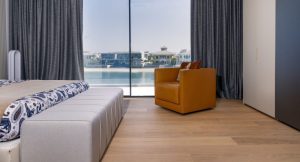
Kährs Oak Paris and Oak Sorrento floors define the bedrooms, hallways, and gym of Frond Villa, Palm Jumeirah, Dubai.
Is Floating Flooring Right for Your Home
Floating floorboards offer a flooring solution that combines style, flexibility, and minimal disruption. This method is well suited for those who:
- Live in a climate-controlled interior
- Want minimal renovation disruption
- Prefer the aesthetics of engineered oak
- Value long-term flexibility and easy repairs
Consulting with a flooring specialist ensures the installation method aligns with your property’s structural and environmental requirements.
For those planning a renovation, reviewing our completed luxury flooring projects can provide you valuable insight into the texture, tone, and overall character of premium Scandinavian timber, offering inspiration for your own interiors.
Floating Floorboards for Timeless Interiors
Combining modern engineering with classic Scandinavian design, floating floorboards offer structural intelligence, climate adaptability, and refined aesthetics. This installation method has become one of the most practical and elegant solutions for luxury residential interiors.
When installed correctly with high-quality engineered oak, the system becomes more than a flooring choice. It forms the foundation of a lasting interior statement. Our years of experience in premium flooring installation show that careful craftsmanship and thoughtful material selection are what allow timber floors to remain beautiful, durable, and enduringly elegant for decades.

Warm Regards,
Pauline Madani
Founder & Managing Director Nordic Homeworx
Frequently Asked Questions
Can floating floorboards be refinished?
▼Most laminate or vinyl options cannot be sanded and refinished like solid wood. Engineered oak floating floorboards may allow light refinishing if the wear layer is thick enough, but thinner veneers limit this. Proper maintenance from the start ensures long-term durability and appearance.
Are these floors suitable for bathrooms or wet areas?
▼Engineered timber floating systems generally aren’t recommended for high-moisture zones. For bathrooms or kitchens, water-resistant solutions like luxury vinyl tiles (LVT) are more appropriate.
Why does the floor sometimes creak or feel hollow underfoot?
▼Because floating floors aren’t fixed to the subfloor, minor hollow sounds or creaks can occur if the underlay or base isn’t perfectly level. Using a high-quality underlay and precise installation helps minimise noise.
How can heavy furniture affect the flooring?
▼Dragging or moving heavy furniture can scratch or dent the surface, or stress the joints. Always use felt pads or sliders, and lift furniture rather than dragging it to protect the floor.
What should I do if boards start pressing against the walls?
▼Wood naturally expands and contracts with temperature and humidity changes. Without proper expansion gaps (10 to 12mm) at the edges, boards can buckle. Correct installation with adequate spacing prevents this problem.