



What is Teak Wood? Types, Uses, Benefits, and Maintenance
December 12, 2025
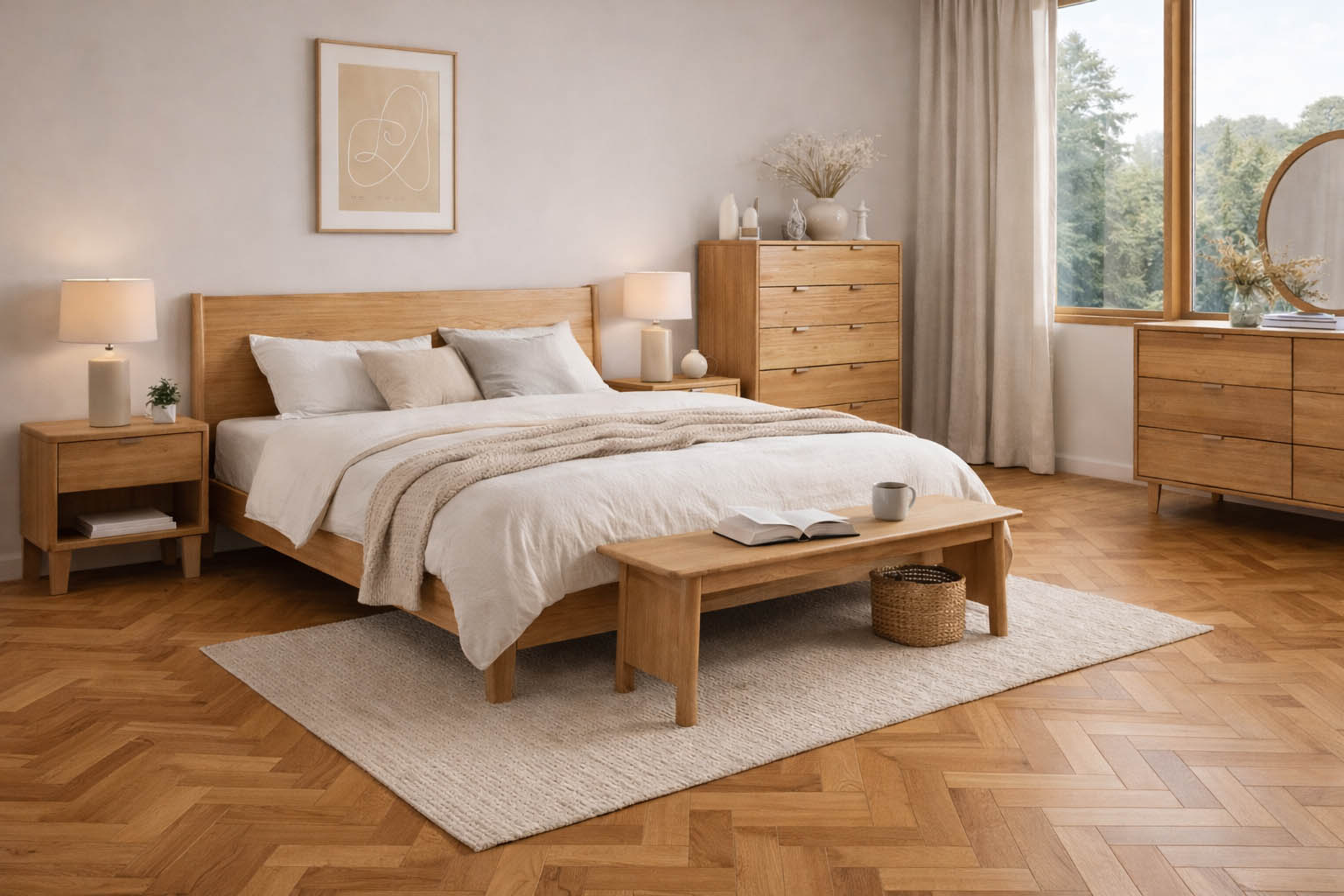
Teak wood has long been associated with luxury, durability, and timeless appeal. From traditional furniture to premium interiors, it carries a reputation built on strength and natural resilience. Yet while teak remains admired, it is often misunderstood, especially when compared to hardwoods commonly used in modern flooring.
At Nordic Homeworx, we believe informed decisions lead to better spaces. In this guide, we explore what teak wood is, its types, uses, benefits, and maintenance, while placing it in context alongside hardwoods such as oak, ash, cherry, maple, and walnut. This balanced perspective helps homeowners choose materials that suit both lifestyle and environment.
What Is Teak Wood?
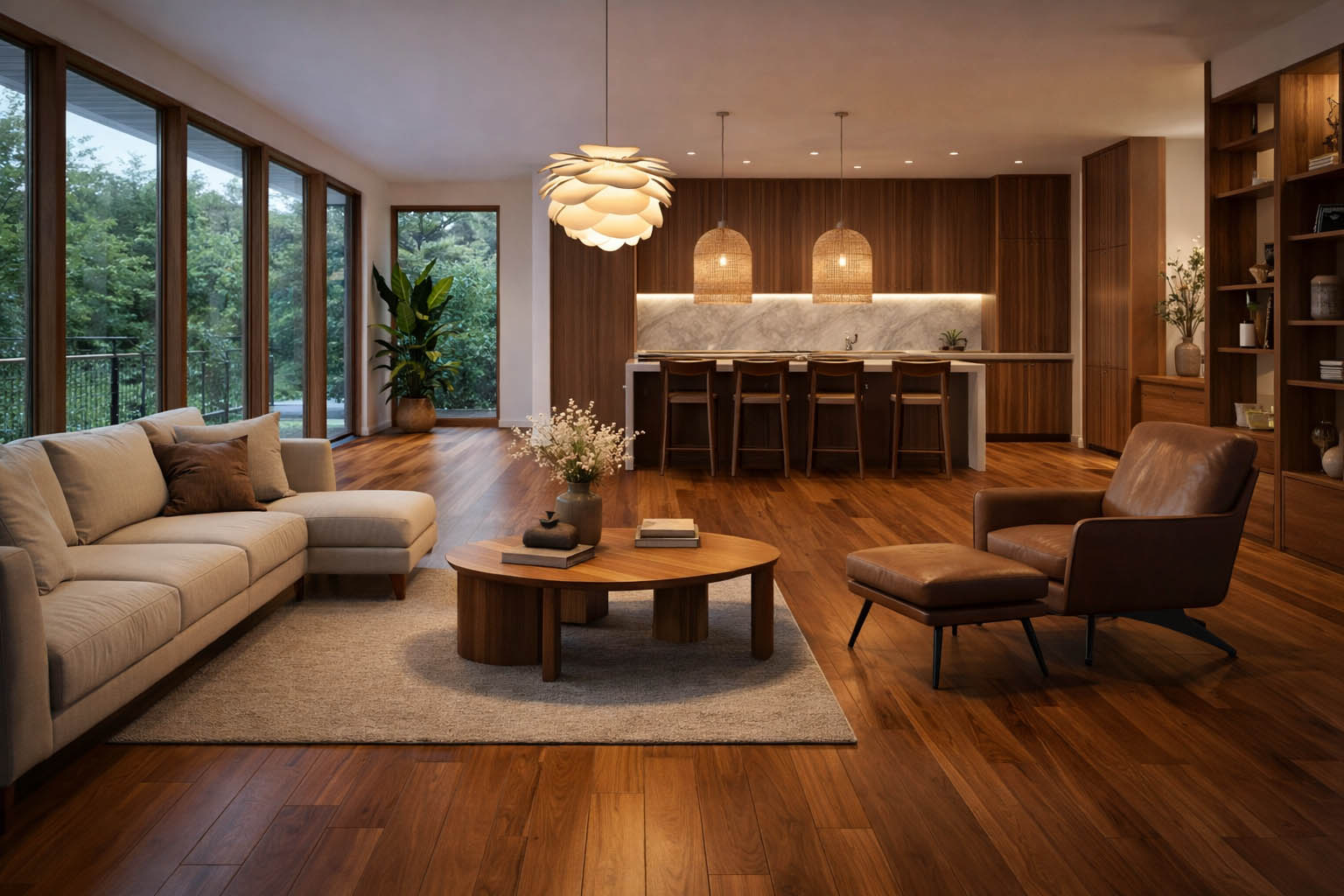
Teak wood comes from the Tectona grandis tree, native to South and Southeast Asia. It is a tropical hardwood prized for its density, natural oils, and resistance to moisture. These qualities make teak highly durable, even in challenging environments.
Teak Wood Colour
The colour of teak wood ranges from golden honey to medium brown, often deepening with age. Freshly cut teak appears lighter, while exposure to air and light gradually enriches its tone. Over time, untreated teak can develop a silvery-grey patina, especially outdoors.
This colour variation adds character but also limits flexibility for interior design schemes where consistency matters.
Teak Wood Texture
Teak wood texture feels smooth yet firm, with a straight grain that sometimes shows gentle waves. Its high oil content gives the surface a slightly waxy feel. This natural texture contributes to teak’s water resistance, but it also affects how finishes and adhesives bond to the wood.
6 Types of Teak Wood
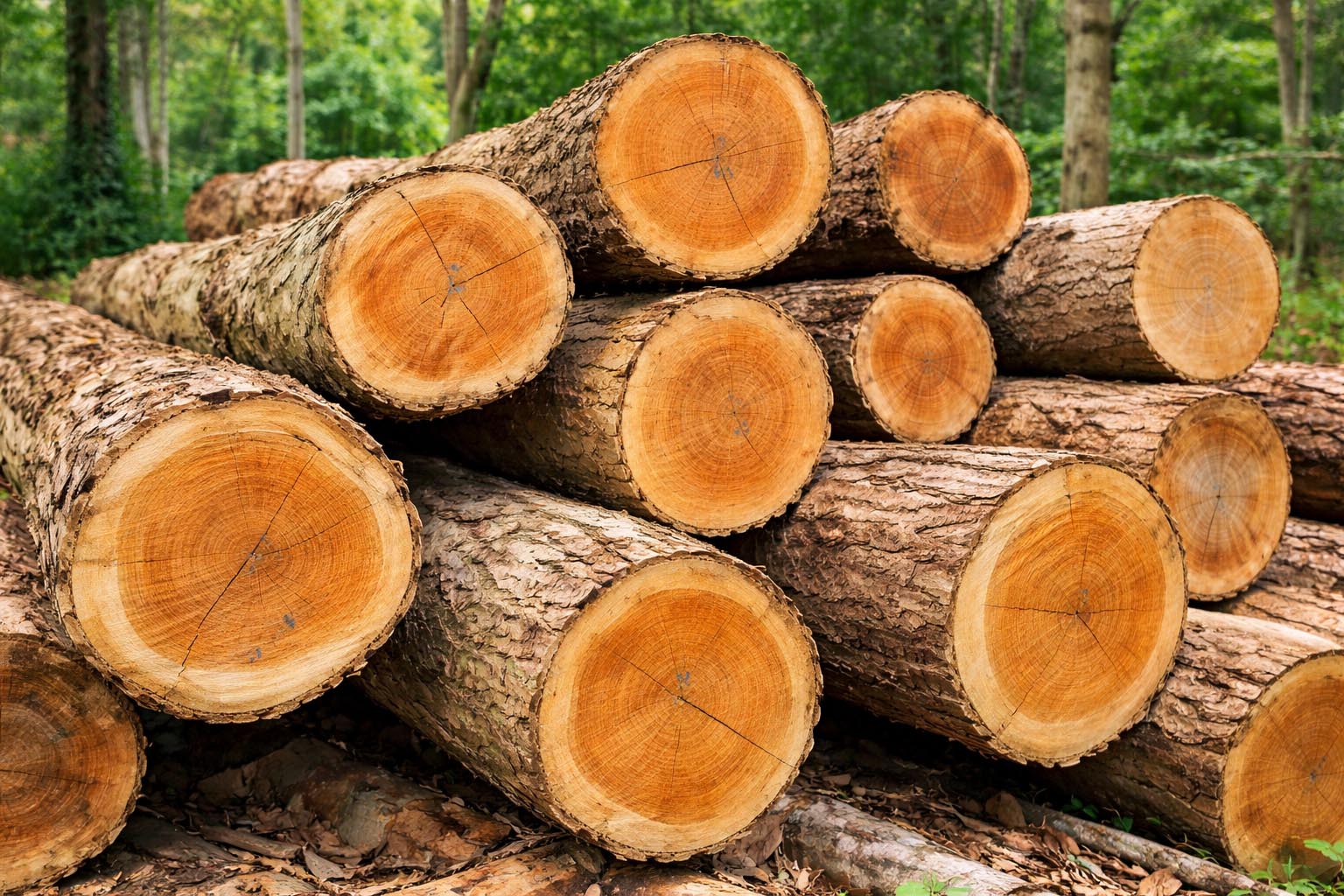
African Teak Wood
African teak wood, often sold under names such as Iroko, is not true teak but shares similar visual characteristics. It features a warm brown tone and moderate durability.
Widely used as a teak alternative due to availability and lower cost. However, it lacks the natural oil content and long-term stability of genuine teak. In flooring applications, it requires precise installation and stable indoor conditions to perform reliably.
Indian Teak Wood
Regarded as one of the highest-quality forms of genuine teak. It showcases a rich colour, tight grain, and excellent durability. Traditionally sourced from mature forests, it carries a premium price.
Indian teak wood is mainly used in bespoke furniture and heritage projects rather than large-scale residential flooring, largely due to cost and sustainability concerns.
Burmese Teak Wood
Burmese teak wood, also known as Burma teak, is often considered the benchmark for premium teak. It offers a deep golden-brown colour, straight grain, and high natural oil content, which enhances durability and resistance to moisture.
Because of strict export regulations and ethical sourcing concerns, Burmese teak wood is limited in availability. It is typically reserved for luxury furniture, marine use, and high-end architectural details.
Thailand Teak
Thailand teak is genuine teak grown in plantation forests. It displays a lighter colour and slightly more variation in grain compared to Burmese or Indian teak.
While Thailand teak remains durable, its younger harvest age means lower oil concentration. It suits furniture and interior joinery but sees limited use in flooring due to movement and cost considerations.
Indonesian Teak
Indonesian teak comes mainly from managed plantations and is valued for its consistent quality and more sustainable sourcing. Its colour ranges from light golden to medium brown, with a straighter grain structure.
This type of teak is popular for furniture and decorative elements. In flooring, it requires expert installation and controlled conditions, making it less practical than temperate hardwoods for most homes.
South American Teak
South American teak is often marketed under names such as Cumaru or similar species, though it is not true teak. It delivers strong durability and a darker tone but differs in texture and oil composition. Used primarily as a teak substitute, South American teak is more common in outdoor decking than interior flooring. Its density and hardness demand careful handling.
Common Uses of Teak Wood
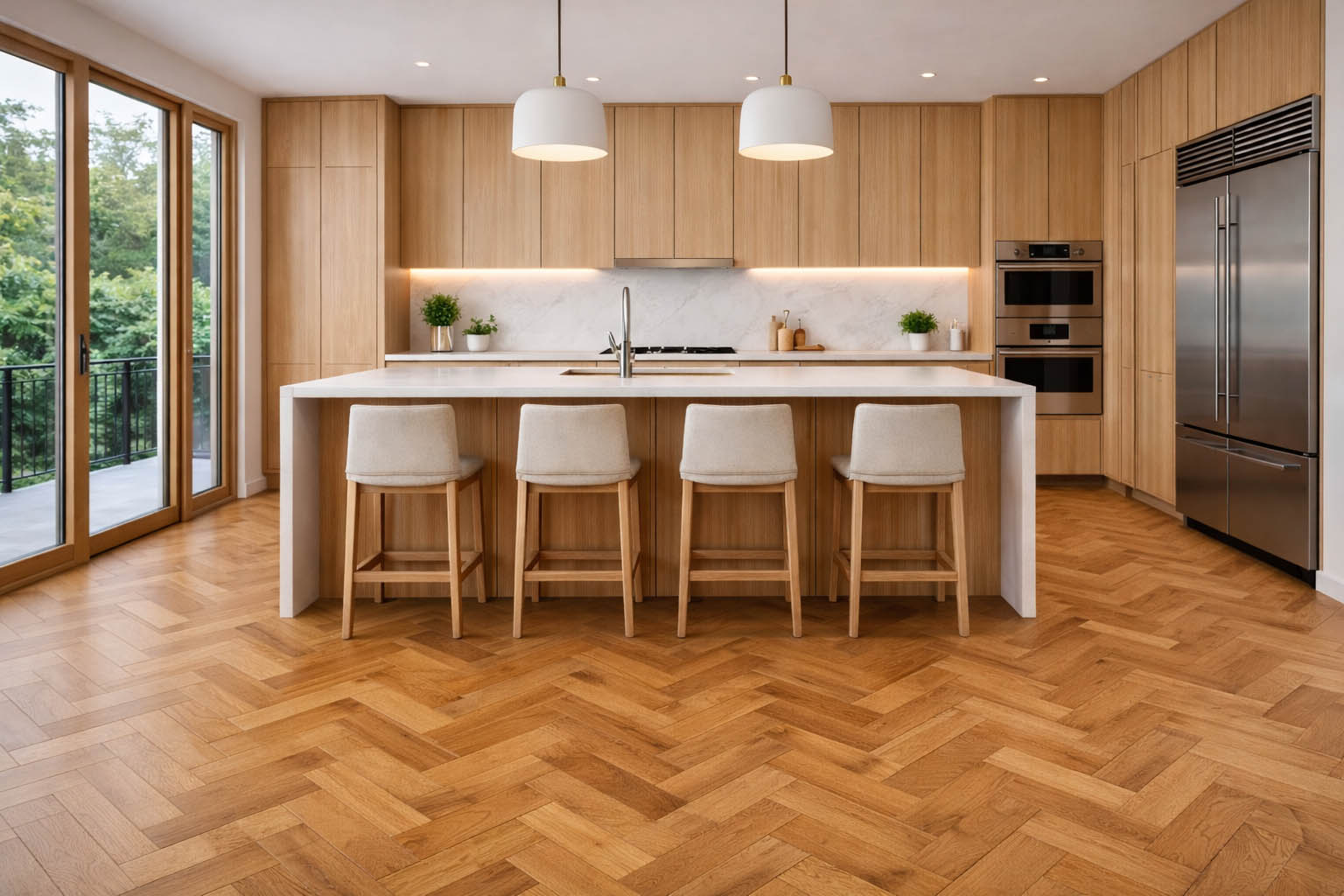
Teak is valued for its strength and natural resistance, which makes it suitable for both exterior and interior applications.
Marine and Boat Construction
Teak is widely used in boat decks, trims, and marine fittings due to its ability to withstand constant exposure to water and humidity without deteriorating.
Outdoor Furniture
Its durability and low maintenance requirements make teak a preferred material for outdoor benches, tables, and seating. It holds up well against changing weather conditions while maintaining structural integrity.
Exterior Decking and Cladding
Teak is often chosen for outdoor decks, decking tiles, and exterior wall cladding. Its resistance to moisture and temperature fluctuations supports long-term outdoor performance.
Indoor Flooring
Teak’s density and stability allow it to perform reliably as hardwood flooring, including in moisture-prone areas such as kitchens and bathrooms when properly installed.
Indoor Furniture and Joinery
Teak is commonly used for premium indoor furniture, cabinetry, and decorative veneers, where durability and refined appearance are essential.
Key Benefits of Teak Wood
Natural Resistance
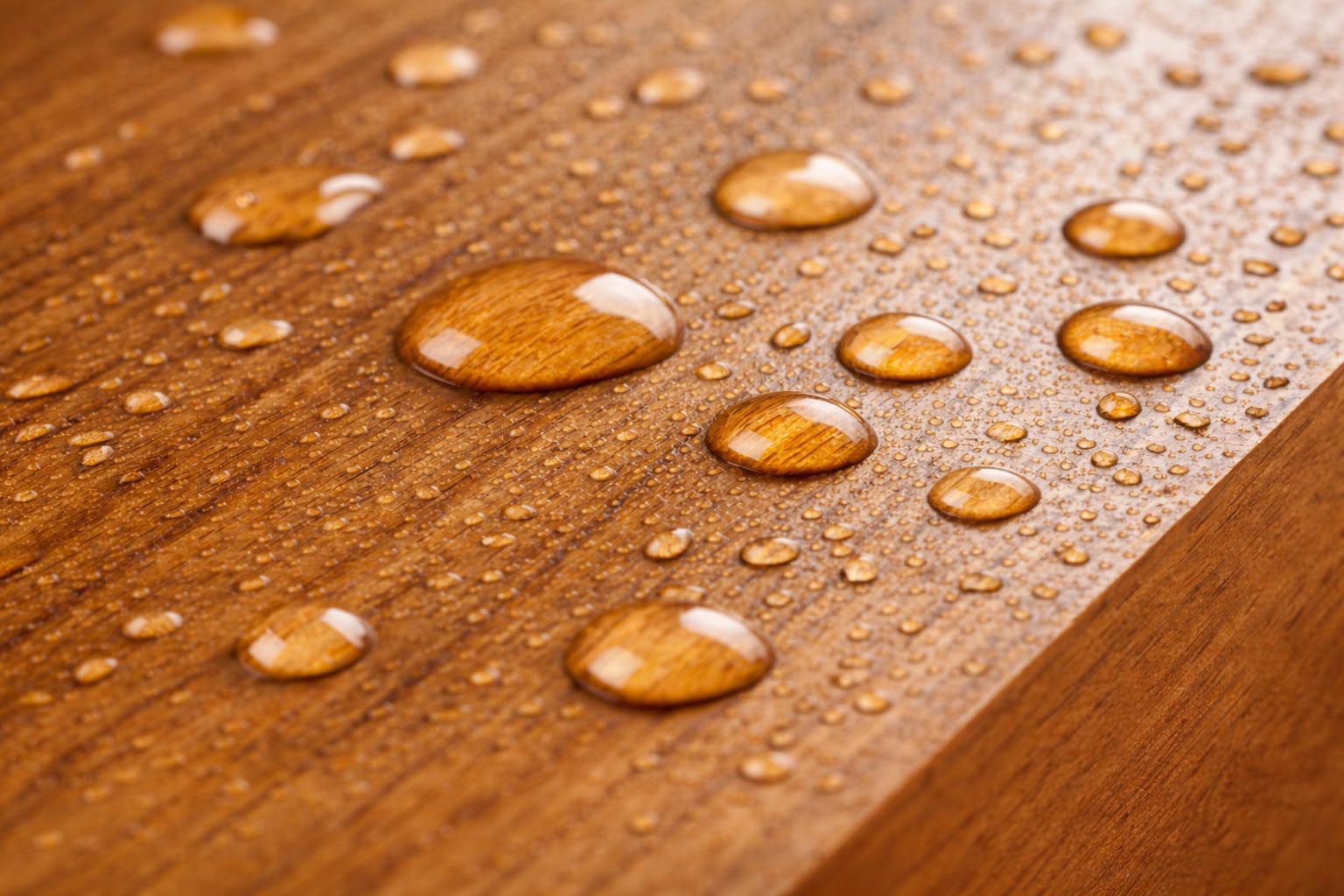
Teak’s natural oil content protects it from moisture, insects, and decay. This quality makes it well suited for outdoor furniture, marine environments, and areas exposed to humidity.
Longevity
With proper care, teak can last for decades. Its dense structure helps reduce warping, cracking, and structural fatigue compared to many softer wood species.
<h4class=”sp-a12″>Low Outdoor Maintenance
In external settings, teak needs minimal treatment to stay structurally sound. Even without regular finishing, it maintains strength and stability over time.
<h2class=”sp-a125″>Maintenance of Teak Wood
Proper teak care starts with following the manufacturer-recommended cleaning and maintenance guidelines. Avoid excess moisture during cleaning, as standing water can affect the surface and finish. Use only approved wood cleaners to protect adhesion and surface integrity, and wipe spills immediately to reduce the risk of staining or surface marks.
Indoor Maintenance
- Clean with gentle, pH-neutral products made for wood surfaces
- Avoid harsh chemicals that strip the wood’s natural oils
- Dust regularly to prevent surface dullness and fine scratches
Outdoor Maintenance
- Allow teak to weather naturally if a silver-grey patina is preferred
- Apply teak oil periodically to maintain the original colour
- Keep in mind that minimal maintenance affects appearance, not structural performance
Teak vs Oak vs Ash for Indoor Flooring
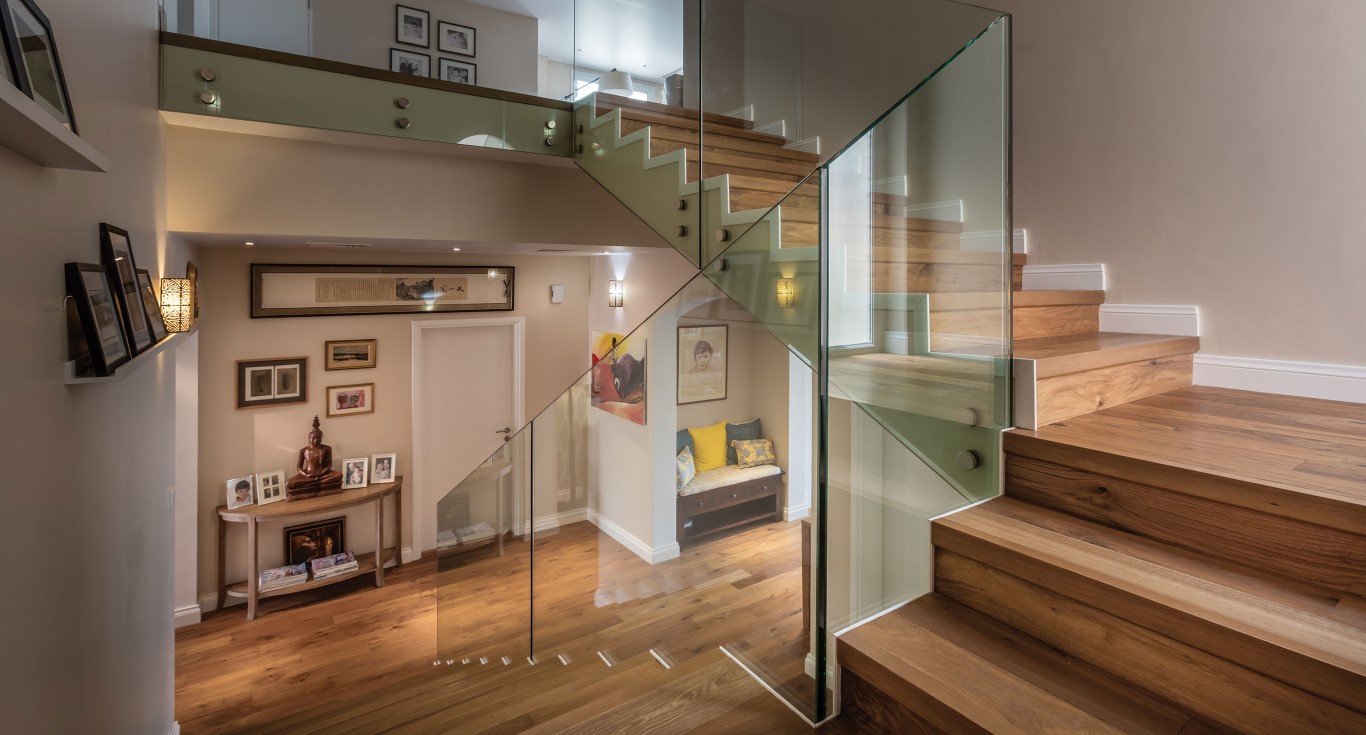
A Green Community townhouse in Motor City, Dubai, unified by Kährs Crater Oak flooring throughout, bringing elegance and continuity from living spaces to the staircase.
The choice between teak and oak comes down to priorities. Each wood offers clear advantages for indoor spaces.
Teak Wood
- Superior natural resistance to moisture and pests
- Exceptional durability and long-term performance
- Well-suited for humid interiors
- Ideal for high-traffic areas
Oak Wood
- Excellent choice for traditional and modern interiors
- Classic, timeless appearance
- Wide variety of Oak wood finishes and patterns
- Easy to install and refinish
- Budget-friendly option for residential flooring
Ash Wood
- Light, natural appearance that brightens interiors
- Strong and impact-resistant surface
- Distinct grain for contemporary design schemes
- Takes stains and finishes well
- Suitable for active households and everyday use
These materials deliver strong indoor performance when matched to the right environment and design intent.
Choosing the Right Wood for Your Space
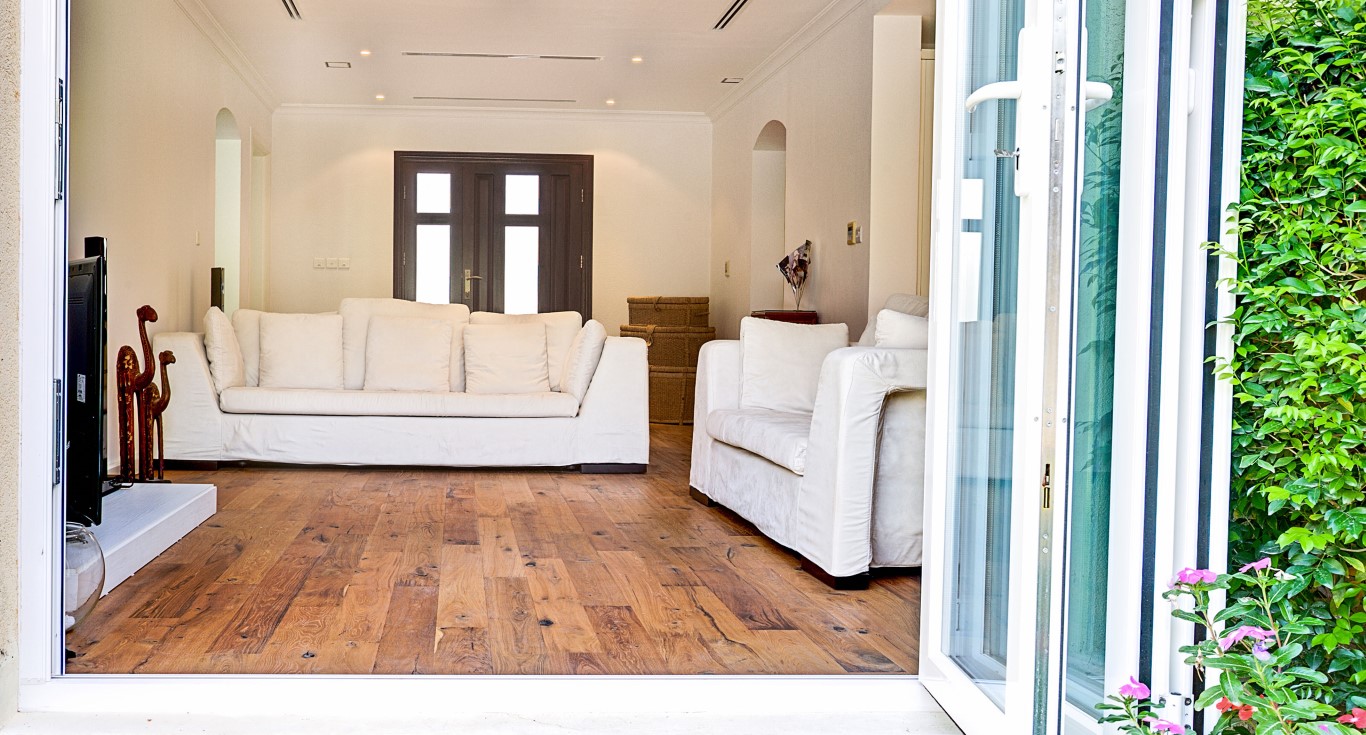
A family home in Meadows 5, Emirates Living District, Dubai, where bright interiors are grounded by the rustic character of Kährs Oak Husk flooring.
Rather than asking which wood is strongest, the better question is which wood suits your lifestyle, climate, and design goals. Teak shines in outdoor and specialised environments. For interiors, especially flooring, temperate hardwoods often provide a more balanced solution.
We guide homeowners through this process by aligning material choice with function, aesthetics, and longevity. No matter your style or needs, there is a flooring option suited to your home.

Warm Regards,
Pauline Madani
Founder & Managing Director Nordic Homeworx
Frequently Asked Questions
Can teak wood be mixed with other hardwoods in one space?
▼Yes. Teak pairs well with oak, walnut, or maple when used selectively, such as in furniture or accents, while keeping flooring consistent for visual balance. This approach adds contrast without overwhelming the overall design.
Is teak wood slippery compared to other hardwoods?
▼Teak has a naturally textured surface that offers better grip than many polished hardwoods. The final slip resistance depends more on the finish than the wood itself.
Does teak wood darken faster than other hardwoods?
▼Teak darkens gradually with light exposure. Compared to oak or ash, the colour change is slower but more noticeable due to its richer base tone. Consistent lighting helps maintain a more even appearance over time.
How does teak respond to seasonal humidity changes indoors?
▼Teak handles humidity better than many woods, but it still expands and contracts. Stable indoor humidity remains essential for long-term performance. Sudden fluctuations can affect joints and surface finishes.
Is teak a good choice for allergy-sensitive households?
▼When properly finished, teak does not trap dust or allergens. Smooth hardwood floors generally support cleaner indoor environments than carpets. Regular cleaning further reduces airborne particles.