


How Wood Floor Texture Impacts Home Design: Types and Sizes
November 21, 2025
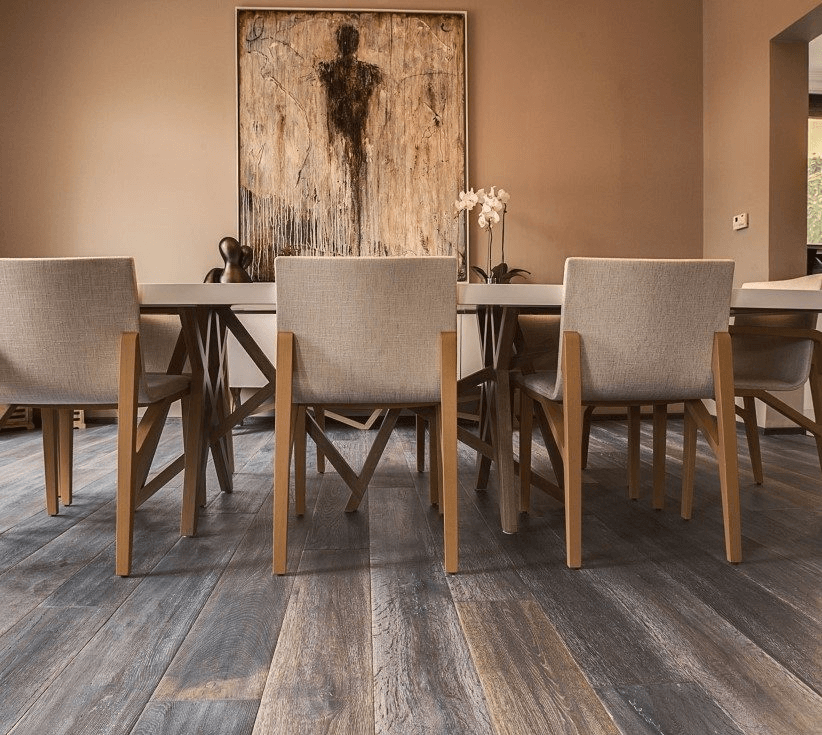
Wood flooring, in its many forms, is an essential means for Dubai residents to upgrade the look and feel of their houses. It’s not enough to choose a random texture. You need to select one that complements the style of your house and suits your own preferences. Whether it’s the striking grain patterns of oak or the sleek curves of bamboo, the unique histories of these materials give homes a warm and inviting vibe.
Texture, in the context of wood flooring, refers to the physical qualities of the floor’s surface, such as its grain patterns, knots, and other natural characteristics. Wood floor textures are very popular, as they complement the city’s stylish way of life with their natural warmth and grace.
Why Texture Matters in Wood Flooring
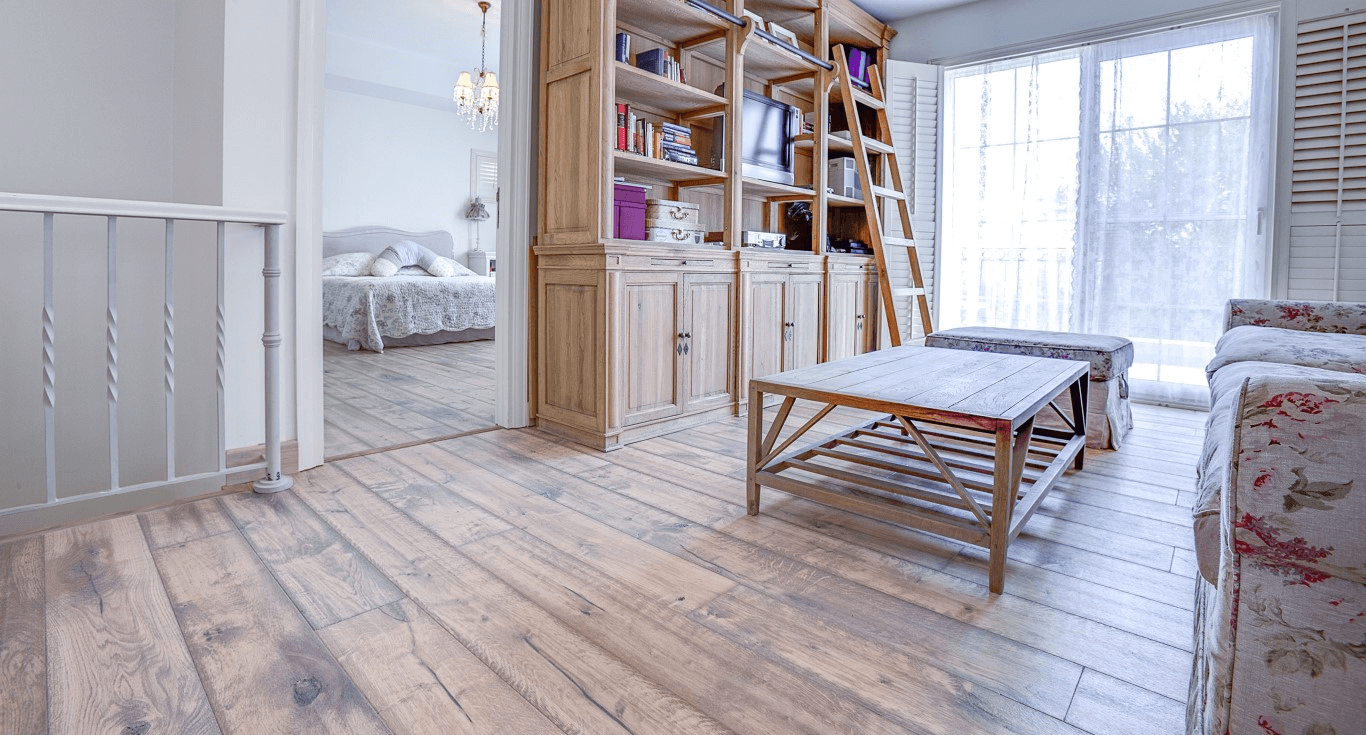
The texture of wood flooring shapes the look and feel of a room. From smooth and modern to rustic and tactile, the right texture helps reflect personal style and enhances everyday comfort.
Defining Spaces
Wood textures help define the atmosphere of a room. Smooth, polished surfaces create a contemporary and airy feel, while rough, rustic textures add warmth and character. The texture communicates style, influences perceptions of space, and contributes to comfort.
Beyond Aesthetics
Selecting the right wood texture is not just a visual decision. It impacts the tactile experience, ease of maintenance, and the floor’s longevity, ensuring a practical yet beautiful solution for homes.
Narrative Textures
Every texture of wood flooring tells a narrative, capturing the essence of the countless texture options available, subtly or strikingly narrating the inherent character and nature of the wood.
9 Types of Wood Floor Textures
1. Smooth Finish
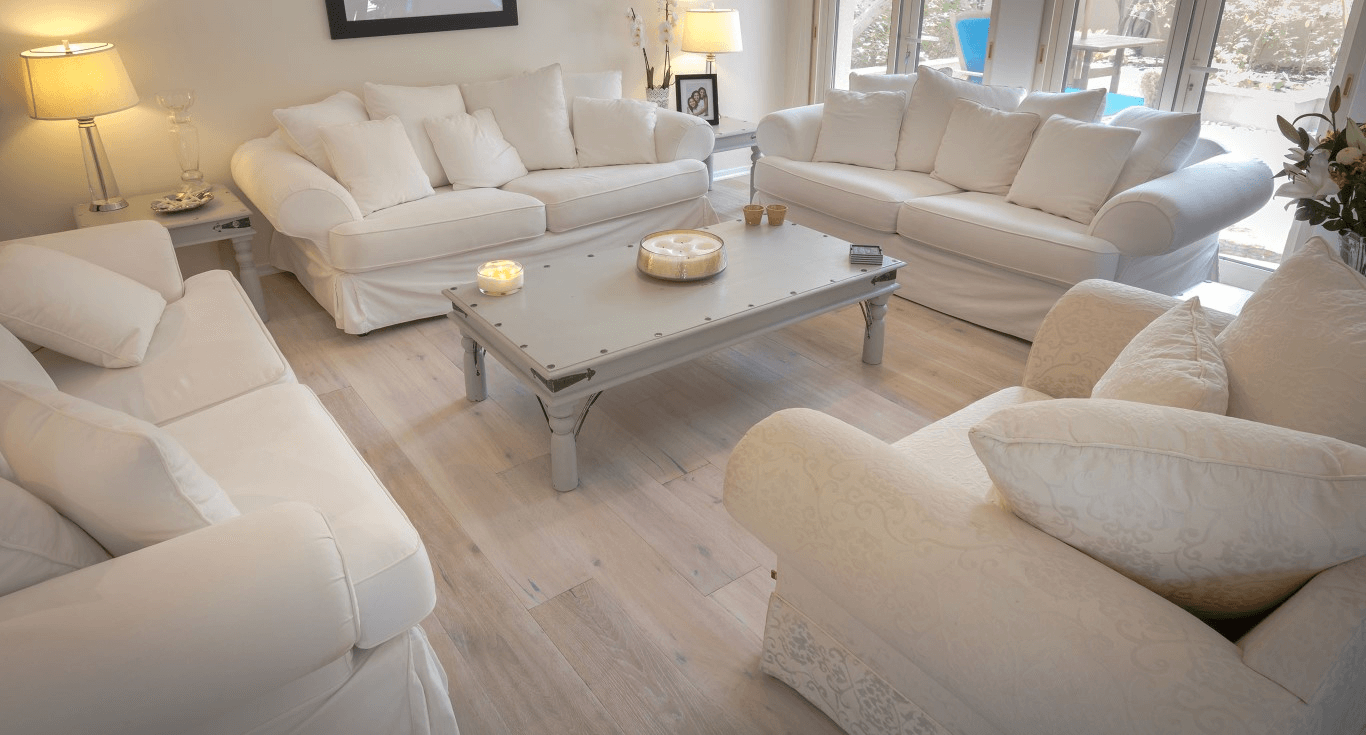
Smooth finishes are quintessential for modern and contemporary homes, offering a clean, sleek appearance. The smooth texture allows the natural beauty of the wood grain to shine, making it an ideal choice for homeowners seeking understated elegance.
The flooring style complements minimalist interiors well, making rooms appear more spacious and airy. It’s well-suited for formal settings like living rooms and dining areas, where a refined aesthetic is desired. However, its polished surface may reveal scratches more easily. Hence, frequent maintenance is needed to retain its pristine appearance.
2. Hand-Scraped
Hand-scraped wood flooring textures evoke a sense of nostalgia, replicating the rugged textures of bygone eras. This texture is prevalent in Dubai, often seen in homes with a more rustic or traditional aesthetic.
The intentionally aged and distressed surface masks minor dents and scratches, making it ideal for high-traffic areas like kitchens and hallways. The intricate detailing adds warmth and character to spaces, making them more welcoming.
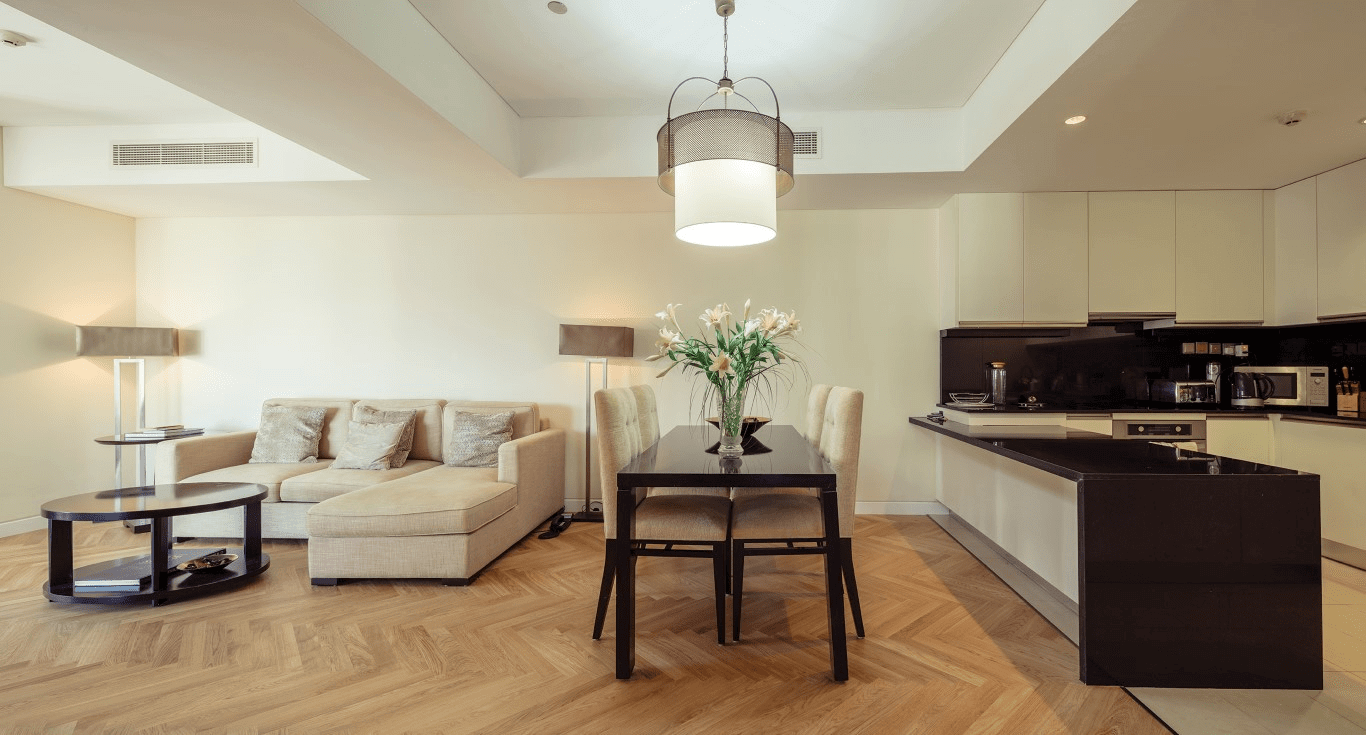
3. Parquet
Parquet floor features geometric patterns, adding an artistic and sophisticated flair to homes. The intricate designs of parquet floors are achieved by arranging small wooden pieces in various patterns like herringbone or basketweave.
Parquet is perfect for homeowners looking to make a statement in formal dining or living areas. The detailed patterns add a touch of luxury, making the space feel more refined and curated. It’s a sublime choice for those with a penchant for artistic detailing in their interiors.
4. Wire-Brushed
Wire-brushed textures are characterised by subtle scrapes on the surface, revealing the beautiful wood grain underneath. It’s a fantastic option for homes aiming for a balance between modern elegance and rustic charm.
The gentle brushing process removes the softwood, leaving the harder wood and grain exposed, increasing its resilience to wear and tear. It’s ideal for households with pets and children, particularly in family rooms and bedrooms, where a cosy, lived-in atmosphere is preferred.
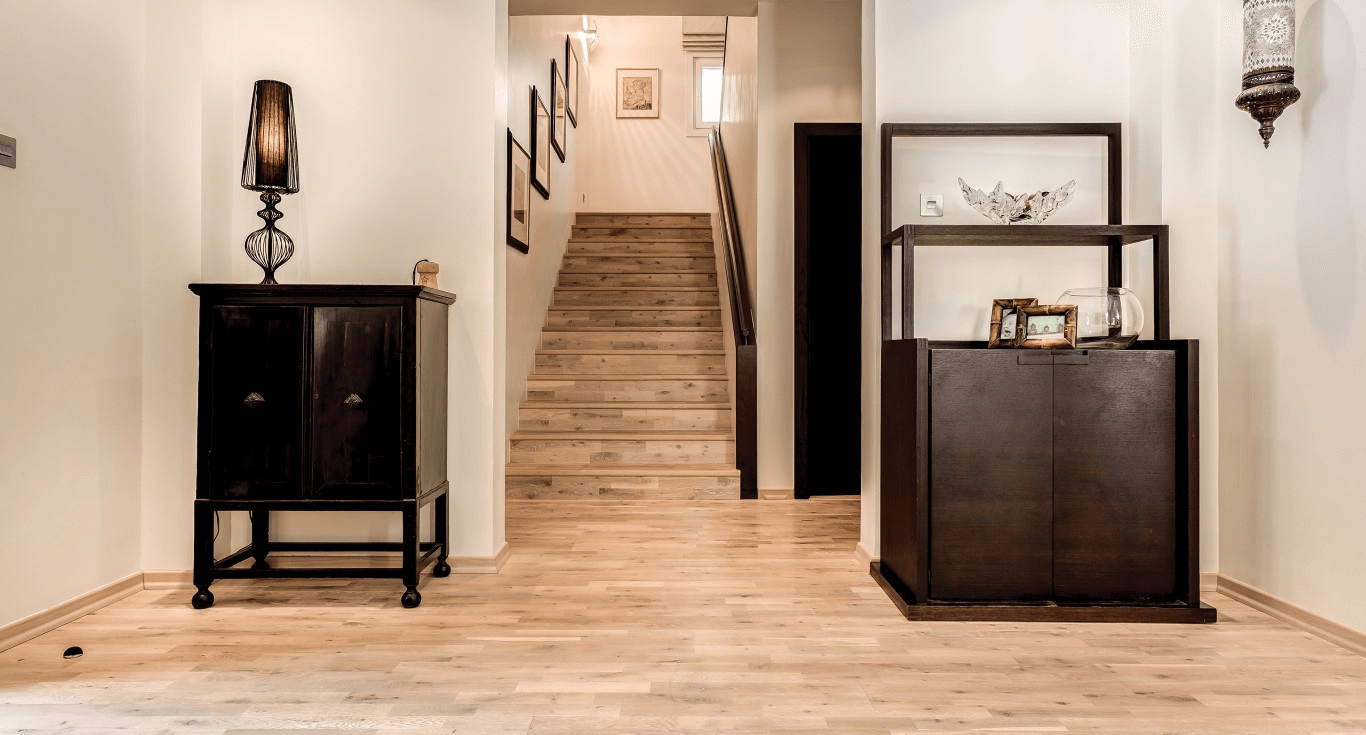
5. Plank
Plank is widely embraced for their versatility, adapting well to various home styles, from rustic to contemporary. Comprising wider boards, plank flooring imparts a sense of openness and casual grace to any space.
The broad surface of this wood floor texture showcases the natural grain beautifully, enhancing the organic appeal. It’s a popular choice for expansive spaces like open-concept kitchens or living rooms where homeowners wish to create a seamless and inviting ambiance.
6. Distressed
Distressed wood floor textures provide a bold, antique look, with intentional marks, burns, and knots mimicking years of use. Best suited to homeowners who desire a floor with a story. This type suits eclectic and traditional homes, adding a unique touch to each space.
The rugged appearance of distressed flooring hides imperfections well, allowing for less frequent maintenance. It’s a remarkable choice for spaces like dens or man caves, where a rugged, relaxed vibe is appreciated.
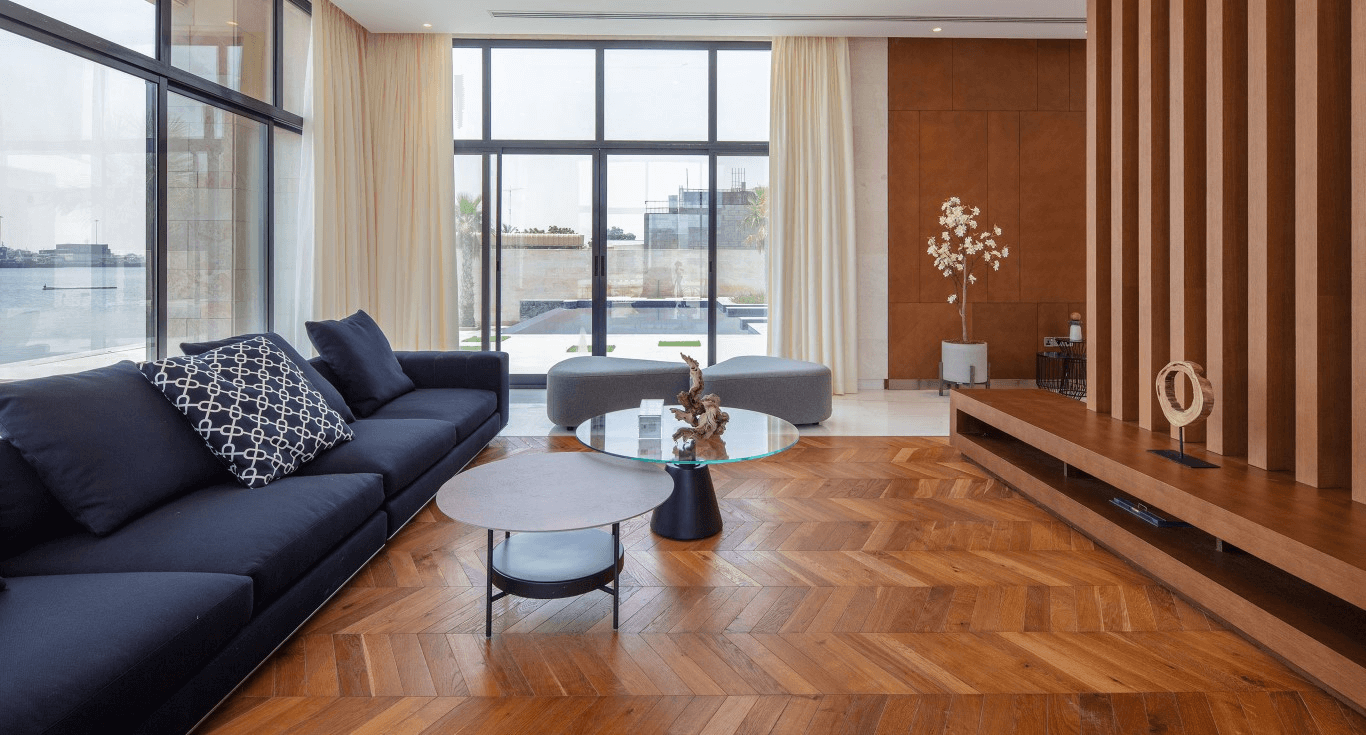
7. Chevron
Chevron wood floor textures create a series of V-shapes, adding a modern, sophisticated vibe to homes. The sharp angles and clean lines of chevron flooring make it a stunning choice for those looking to incorporate contemporary elegance into their spaces.
Chevron is a spectacular option for living rooms or dining areas, providing a visually pleasing focal point that complements modern furnishings. The distinctive pattern adds an element of luxury and refinement, making rooms feel more upscale and polished.
8. Saw Marked
Saw-marked textures display the markings from the saw blades used during the milling process. This texture brings a historic, relaxed feel to homes, resonating well with those who appreciate the beauty of imperfections.
The saw marks add a layer of texture and interest, creating a conversation starter in any room. This style is great for casual living spaces and lofts, where homeowners prefer a relaxed environment with a touch of elegance.
9. Herringbone
Herringbone wood floor textures bring a dynamic and visually striking appeal. The pattern is composed of rectangular wood blocks arranged in a zigzag fashion, offering a sense of movement and depth.
The energetic herringbone pattern is best suited for spaces where homeowners wish to create a focal point, such as entryways or dining rooms. It’s a brilliant choice for those who desire a balance of tradition and modernity, bringing a sense of harmony and intrigue to the home.
How to Choose the Right Plank Size
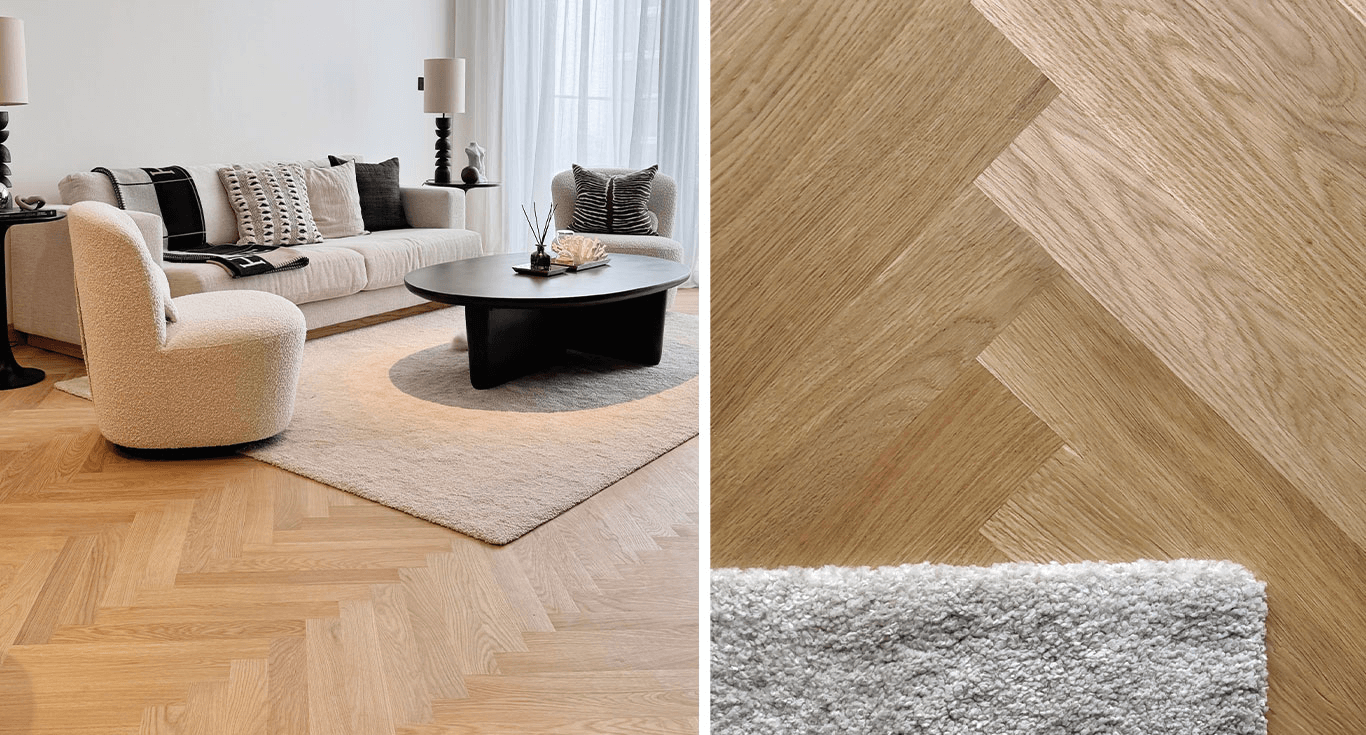
Selecting plank width should match both your interior style and the scale of your space. Each size sets a different tone, so choose the one that supports the atmosphere you want to create.
Timeless Appeal of Classic Planks
Classic planks range from 3 to 5 inches wide and deliver a warm, timeless look. They suit both small and large rooms and offer a balanced style that blends well with most interiors. Their versatility makes them a reliable choice for homeowners who want a cosy yet polished finish.
Rustic Depth with Wide Planks
Wide planks, usually 6 to 8 inches, enhance rustic or nature-inspired interiors. Their broader surface highlights natural grain patterns and knots, giving rooms an earthy character. They create a grounded, homely atmosphere and work well in open spaces where the wood’s texture can stand out.
Refined Elegance of Narrow Strips
Narrow strips measure less than 3 inches wide and create a refined, elegant appearance. The slimmer profile introduces visual rhythm and can make rooms appear brighter and more open, especially when paired with lighter wood tones. They suit modern, minimalist and sophisticated interiors.
Elevating Your Home with the Right Wood Floor Texture
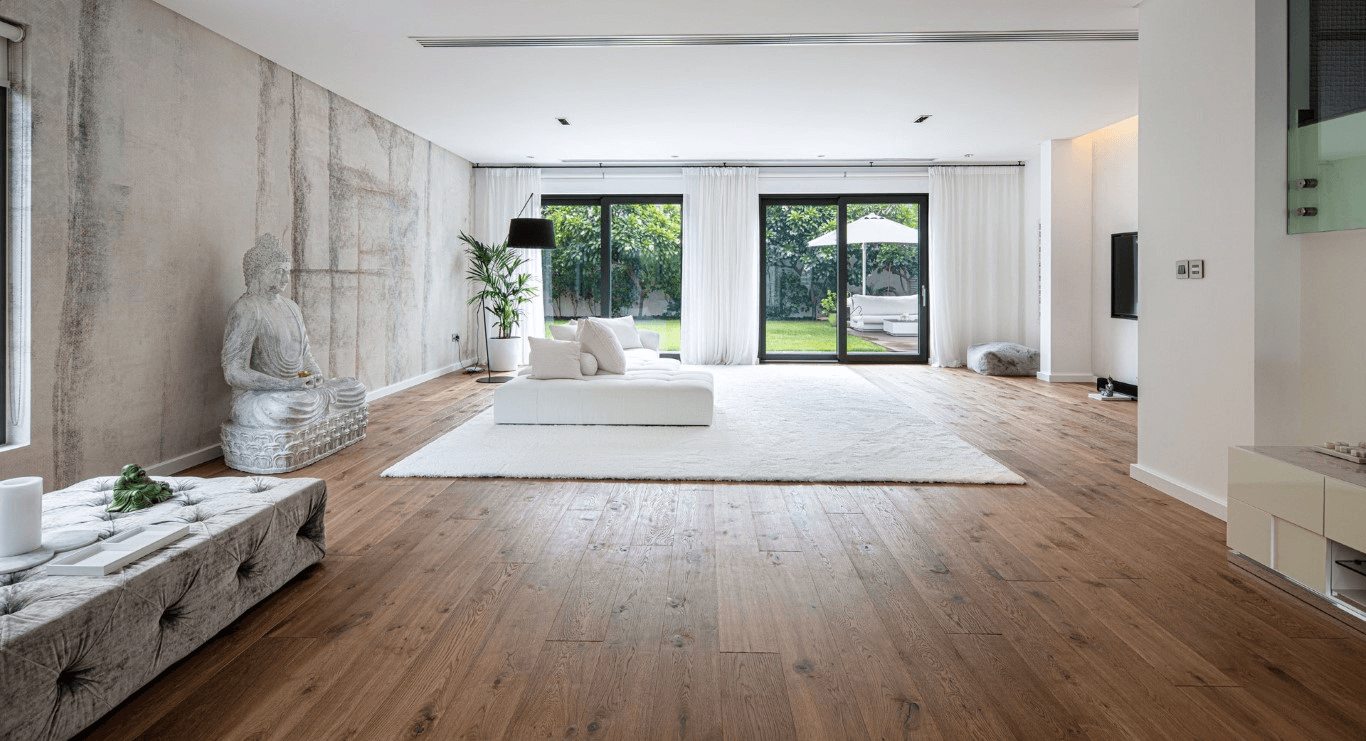
Selecting the right wood flooring texture and sizes shapes the atmosphere, comfort, and long-term performance. Each texture brings its own character, from rustic hand-scraped surfaces to modern chevron or parquet patterns. Understanding how texture and plank size influence light, scale, and day-to-day upkeep helps homeowners create spaces that feel balanced and purposeful.
With clear choices and high-quality wood floors available, it becomes easier to match flooring to the home’s style and function. Viewing a curated range of wood flooring can guide your next step toward a well-crafted interior.

Warm Regards,
Pauline Madani
Founder & Managing Director Nordic Homeworx
Frequently Asked Questions
Which wood flooring texture works best for homes with pets?
▼Wire-brushed and hand-scraped textures work well because they hide minor marks. They also offer better grip for pets compared to smoother surfaces.
Can textured flooring reduce noise in high-rise flats?
▼Yes. Textured surfaces combined with proper underlays help absorb sound, reducing echo and footfall noise in flats and duplexes.
What cleaning tools work best for textured wood flooring?
▼A soft-bristle broom or microfibre mop works well since they reach grooves without damaging the surface. Avoid wet mops to prevent moisture issues.
How long does textured wood flooring usually last?
▼With proper care, high-quality textured flooring lasts decades. Its durability depends on wood type, finish, and foot traffic levels.
What should I look for when checking the quality of a flooring sample?
▼Check the weight, surface details, edge construction, and the backing. A well-built sample feels solid, has clean edges, and shows consistent finishing.
Is it possible to mix different surface styles in one home?
▼Yes. Many homeowners use one surface style for social areas and a different one for private rooms. The key is keeping the wood colours and undertones consistent so the spaces feel connected and harmonious.