



Expert Guide on Choosing the Kitchen Flooring for Homes
November 28, 2025

The kitchen is the center of every home, a space where we start our day preparing meals for our loved ones, enjoy coffee and breakfast conversations, and gather throughout the day to connect and create lasting memories.
As a high-traffic space, the kitchen requires flooring that can withstand everyday wear and tear. This guide explores the benefits, highlights the best kitchen flooring options, and offers practical cleaning tips to help you choose the ideal floor and maintain its beauty for years to come.
Why the Right Kitchen Flooring Makes a Difference
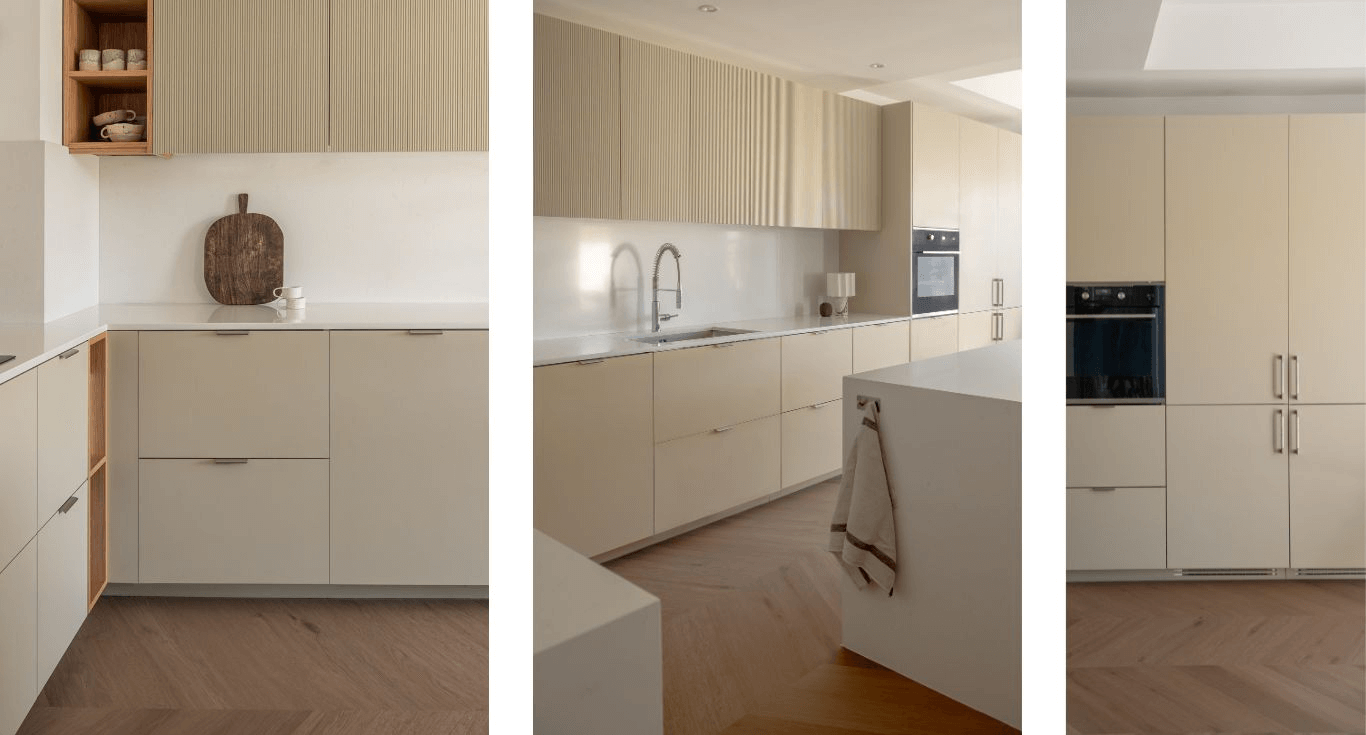
The kitchen is one of the busiest spaces, so choosing flooring that combines durability and practicality is essential. The right floor not only withstands heavy foot traffic, spills, and the occasional dropped utensil, but it also supports the overall functionality of the space. Flooring that resists moisture and stains reduces maintenance time, helping your kitchen stay clean, safe, and hygienic.
Beyond practicality, flooring sets the tone for the room. It influences the look and feel of the space, complements your cabinetry, countertops, and décor, and can even make the kitchen feel larger, warmer, or more inviting. By selecting a floor that balances strength, ease of care, and visual appeal, you ensure your kitchen performs efficiently while remaining a welcoming, stylish hub for daily life.
5 Popular Kitchen Flooring Options
| Flooring Type | Lifespan | Comfort | Benefits |
| Hardwood | 75-100 yrs | Warm, natural feel | Refinishable, variety of species/finishes, adds value |
| Luxury Vinyl | 10-20 yrs | Soft underfoot | Water- and stain-resistant, DIY-friendly, mimics wood/stone |
| Ceramic/Porcelain | 30-50 yrs | Cold, hard | Durable, water- and heat-resistant, mimics stone/wood |
| Laminate | 10-25 yrs | Firm | Scratch-resistant, DIY installation, wide design options |
| Natural Stone | 50-100 yrs | Cold, hard | Premium look, heat- and scratch-resistant, increases property value |
Hardwood Flooring
Hardwood is still preferred for kitchen flooring because it provides a warm and natural feel. It’s a good choice for homes with open floor plans because it can effortlessly transition from the kitchen to the living room.

Benefits:
- Hardwood kitchen flooring can last for 75 to 100 years.
- Available in different wood species, stains, and finishes, allowing you to match any kitchen design.
- Minor scratches, dents, or wear can often be sanded and refinished, extending the floor’s life.
- It is sensitive to moisture and spills, and may warp or stain if not cleaned promptly.
- It tends to cost more upfront and needs regular maintenance or refinishing.
Practical Tips:
- Use rugs or mats near sinks or cooking areas to help reduce water damage and wear.
- Avoid harsh chemicals. Use a spray mop and mild cleaner to protect the wood finish.
- Keep consistent indoor humidity to prevent expansion or contraction of planks.
Manufacturers are using sealers to help protect these classic floors. You might also choose engineered wood flooring. It has a realistic wood look with a top veneer for further durability.
Luxury Vinyl Flooring
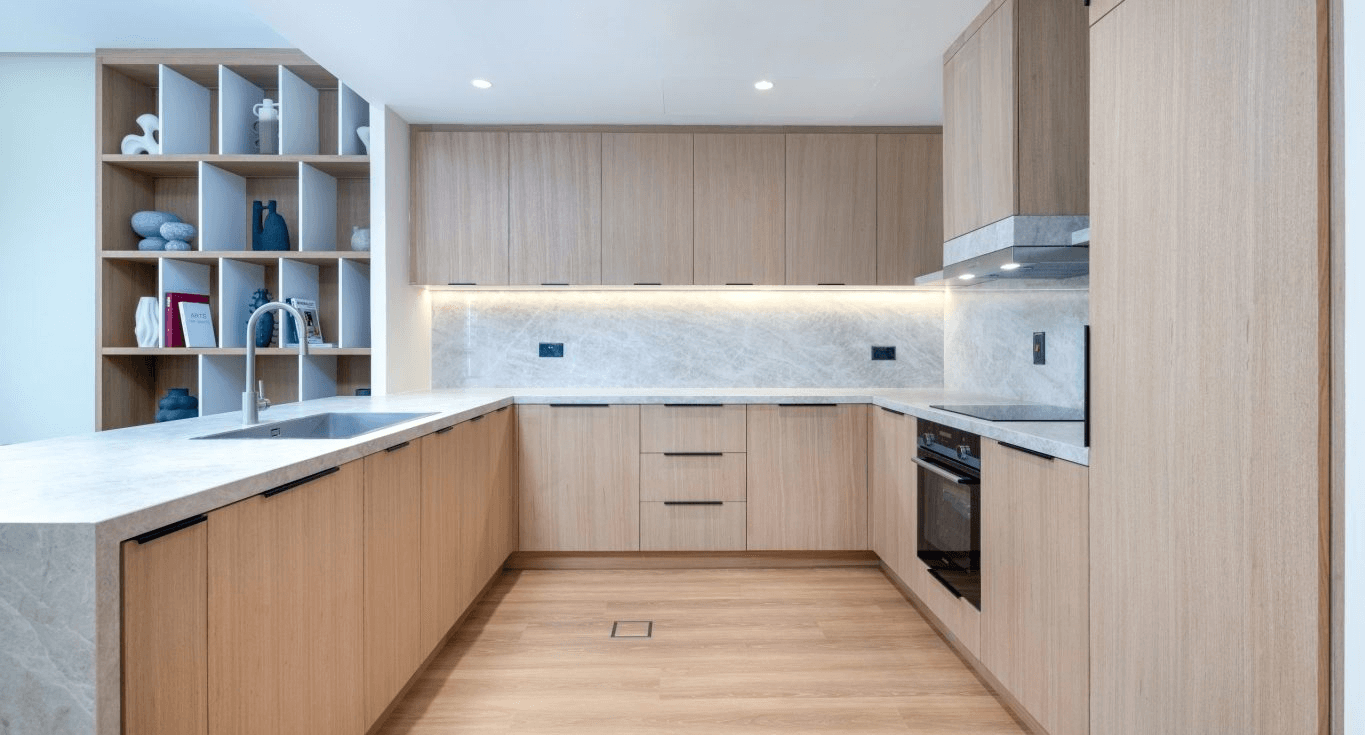
Vinyl flooring is a low-cost type of resilient flooring known to be soft and comfortable on the feet, suitable for families who do long cooking sessions. It can also be tolerant when an accident occurs or a dish falls to the floor.
Benefits:
- Typically lasts between 10 to 20 years
- Quick and easy installation, including DIY options.
- Wide variety of colours and patterns to suit any kitchen design.
- Low maintenance and easy to clean with mild solutions.
- Water-resistant and stainproof, keeping your kitchen looking fresh.
Practical Tips:
- Avoid dragging heavy appliances across the floor to prevent damage.
- Use protective pads under furniture legs.
- Regular sweeping or vacuuming keeps dirt from scratching the surface.
Modern luxury vinyl can convincingly mimic wood or stone, giving kitchen flooring a refined finish without the upkeep of natural materials. Its design options include herringbone patterns that add movement and character, making the space feel more considered and visually appealing.
Ceramic or Porcelain Tile
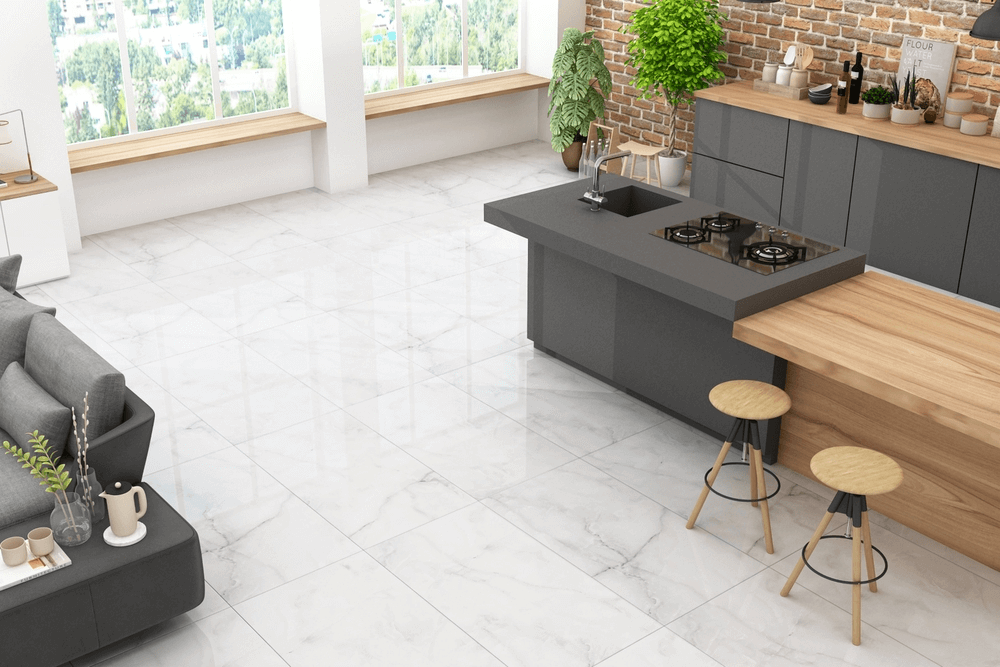
Ceramic tiles are one of the most durable and popular kitchen tiles. It is created from natural materials and comes in various forms, shapes, colours, and patterns. They are harder than traditional ceramics due to a greater baking temperature that hardens the tile for longevity.
Benefits:
- It can last 30 to 50 years or more if installed and maintained properly.
- Extremely durable and resistant to water, stains, and heat.
- Easy to clean with regular sweeping and mopping.
- It can mimic natural stone, concrete, or wood without the higher cost.
Practical Tips:
- Cold and hard underfoot, which may be uncomfortable if standing long periods, so add cushioned mats for better support.
- Grout lines may stain or require sealing to prevent moisture penetration.
- Use rugs or mats in high-use areas to reduce slipping or fatigue.
- Choose darker or sealed grout for easier maintenance.
- Ensure professional installation to prevent cracking or uneven tiles.
Laminate Flooring
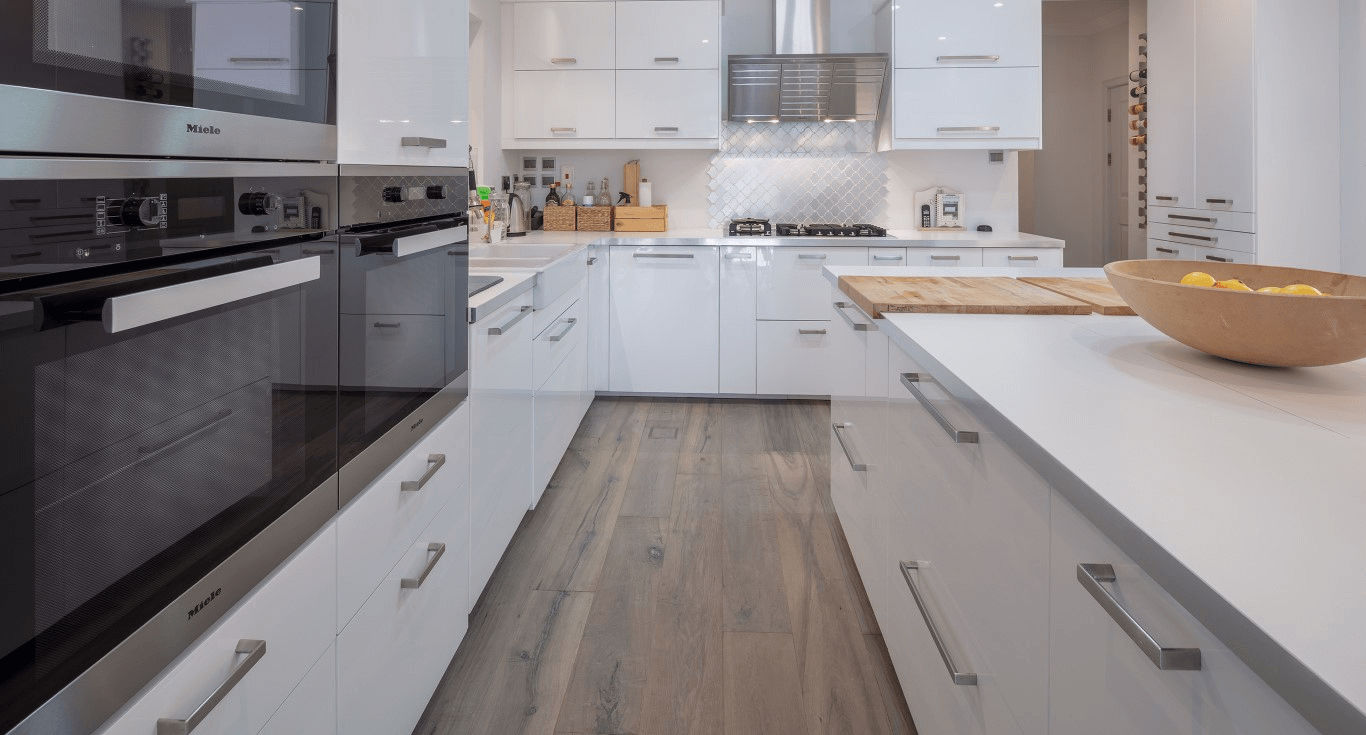
Laminate kitchen flooring has long been considered an affordable alternative that mimics the look of hardwood. Planks can be either glued down or floated, making installation possible even over uneven subfloors.
Benefits:
- Has a lifespan of 10 to 25 years and resists scratches.
- Scratch-resistant surface, suitable for busy kitchens.
- Quick “click-lock” installation for DIY-friendly projects.
- Available in a wide range of wood and stone-look designs.
Practical Tips:
- Moisture-sensitive; spills must be cleaned quickly to avoid warping.
- Use rugs near sinks and cooking areas to reduce wear.
- It cannot be refinished like real wood. Damaged planks need replacement.
- Avoid excessive standing water and use damp mops rather than soaking the floor.
Natural Stone Flooring
Natural stone is another premium option for kitchen flooring. While it tends to be more expensive, the most popular choices showcase colours and patterns that occur naturally, rather than being artificially created.

Benefits:
- Often lasts 50 to 100 years, which increases property value.
- Extremely durable and heat-resistant.
- Resistant to heavy wear and scratching when sealed.
Practical Tips:
- Apply sealant regularly to protect against spills and stains.
- Can feel cold and hard underfoot; wear indoor slippers for comfort.
- Clean with stone-safe cleaners to avoid damage.
Choosing the Right Kitchen Flooring Colours
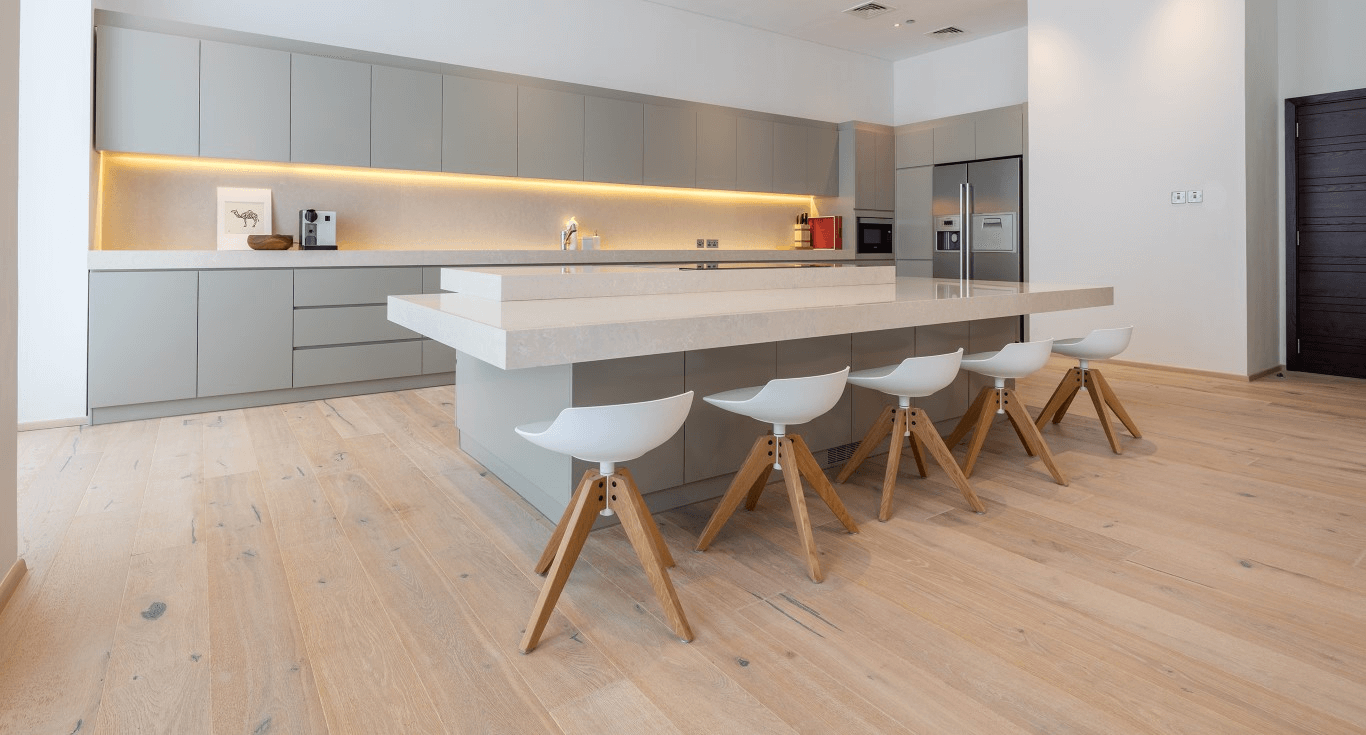
Beyond selecting the right material, the colour of your flooring plays a major role in creating a cohesive design. It guides the mood and helps define how open, bright, or grounded the kitchen look.
Light Colours
Light-toned floors such as soft oak, pale stone, and whitewashed finishes create an airy, open feel. They reflect natural light, making small kitchens appear wider and brighter. They also help soften modern interiors, creating a welcoming environment without overwhelming the room.
Mid-Tones
Mid-tone shades strike a practical balance. They hide everyday marks more effectively than darker tones and work well with most cabinetry, from crisp white to rich wood. This makes them ideal for family kitchens where style and convenience are equally important.
Dark Colours
Charcoal, espresso, and deep brown tones introduce depth and drama. They anchor open-plan layouts and complement sleek modern designs. Although they show dust more easily, they offer a bold, sophisticated finish that elevates the overall look.
Kitchen Flooring Patterns That Enhance Your Space
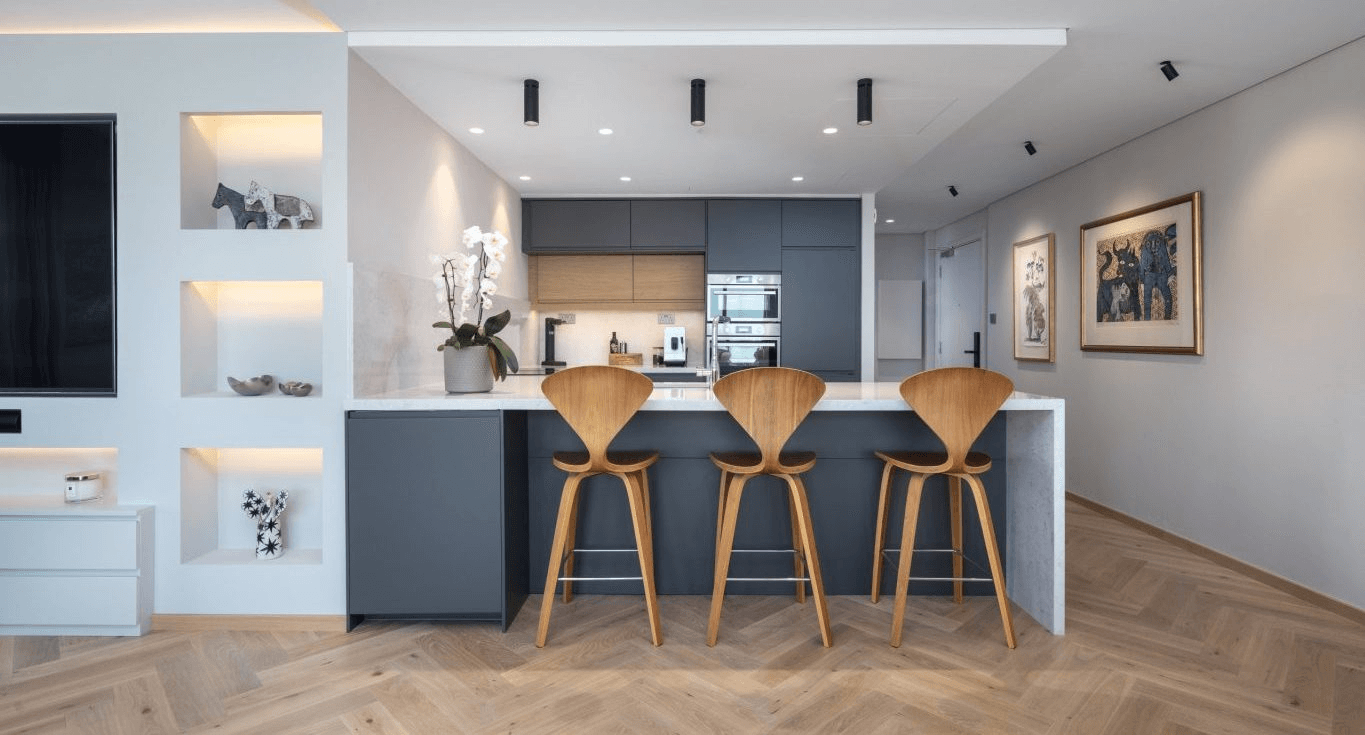
The pattern of your flooring influences how the room flows and feels. It introduces movement, structure, and visual interest.
Straight Lay
A classic option that keeps the room clean and streamlined. This works well when you want the focus on cabinetry or architectural features.
Herringbone or Chevron
Herringbone or Chevron patterns add sophistication without being overpowering. They introduce subtle motion that enhances contemporary and traditional kitchens alike, making the space feel more curated and visually engaging.
Large-Format Planks or Tiles
Wider planks and oversized tiles reduce visible seams, helping the kitchen look more spacious. This pattern works particularly well in minimalist or Scandinavian-inspired interiors.
Layout Considerations for a Cohesive Kitchen

The layout controls how the flooring guides the eye and supports daily flow. Below are ideas on how to choose patterns, materials, and placement that enhance both style and functionality.
Continuous Flooring in Open Plans
Using the same material across the kitchen, dining, and living areas strengthens visual unity. It allows the entire space to feel connected, especially in homes with expansive layouts.
Zoned Spaces
In some kitchens, mixing subtle variations or patterns helps define areas such as cooking, prep, or dining zones. When done with clear transitions and complementary colours, the look stays intentional and polished.
Orientation and Flow
Laying planks or tiles parallel to the longest wall elongates the room. Diagonal layouts add interest and can make compact kitchens feel more dynamic and open.
Building a Kitchen Flooring That Lasts
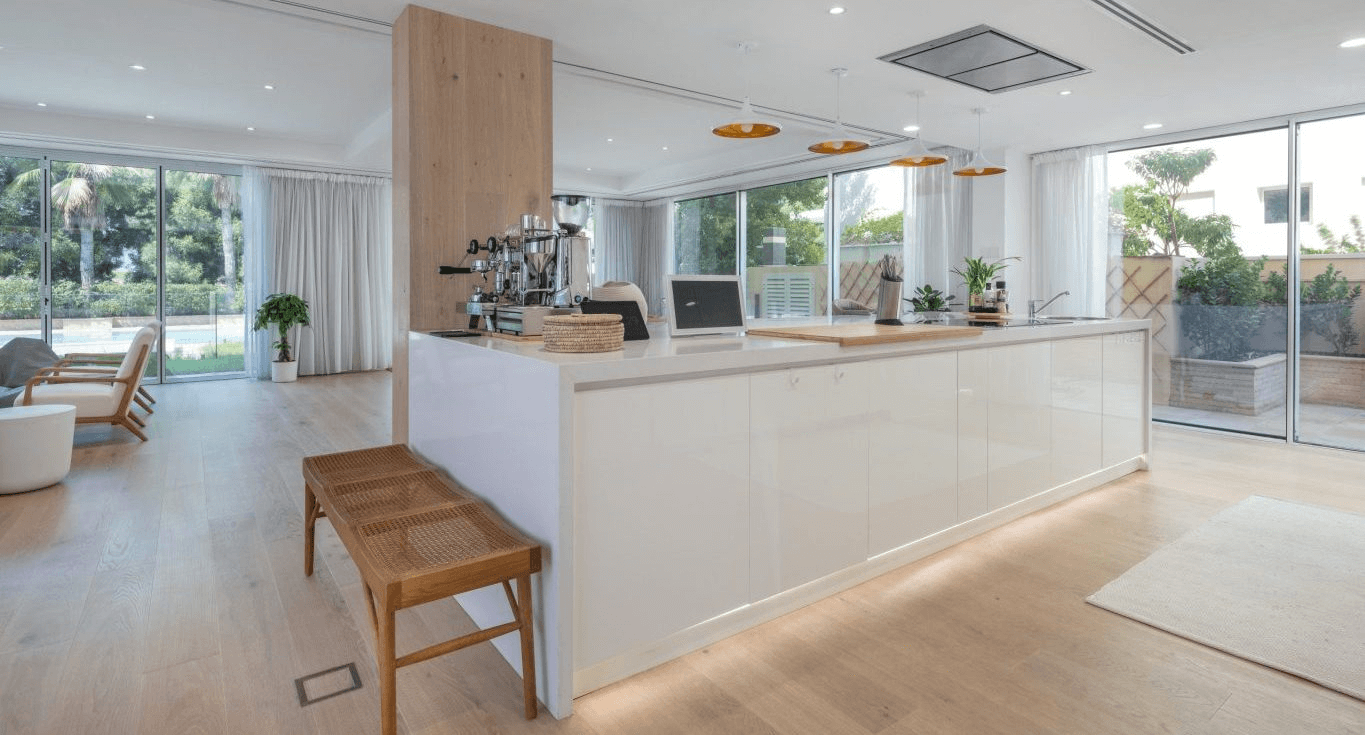
A strong kitchen flooring does more than complete the look of your space. It supports daily routines, handles constant movement, and stays reliable as your household grows and changes. When you choose a material that balances durability, maintenance, and style, you create a kitchen that works smoothly and remains inviting for years.
Whether you prefer the warmth of wood, the resilience of luxury vinyl, the strength of tile, or the luxury of stone, the right flooring helps you build a kitchen that feels considered, cohesive, and ready for everyday life.

Warm Regards,
Pauline Madani
Founder & Managing Director Nordic Homeworx
Frequently Asked Questions
Can I mix two different flooring materials in the kitchen?
▼You can. Combining materials helps define areas, especially in open layouts. Keep the transition level well-planned so the shift feels deliberate and seamless.
Is a glossy finish safe for kitchen flooring?
▼Glossy surfaces can look refined, but they may become slippery when wet. Matte or textured finishes usually offer better traction, making them a safer choice for busy kitchens.
How do I reduce noise from footsteps in the kitchen?
▼Use softer kitchen flooring such as vinyl, add a quality underlay, or place rugs in high-use zones. These steps absorb sound and make the space feel quieter and more comfortable.
Do darker floors show dirt more easily?
▼They can. Dark tones often highlight dust, crumbs, and footprints. Mid-tone colours usually balance style and practicality by disguising a light daily mess.
What flooring won’t fade in sunny kitchens?
▼Porcelain tile, ceramic tile, and UV-resistant luxury vinyl keep their colour even in bright spaces. Their stability makes them ideal for kitchens that receive strong, direct sunlight.