


5 Types of Wood Finishes: Complete Guide for Every Room (2026)
May 18, 2026
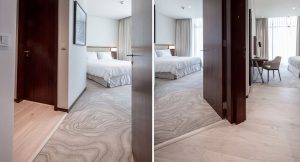
Ultra-matt wood floor finish softening natural light throughout this Vida Emirates Hills apartment.
The surface treatment applied to a timber floor affects far more than appearance alone. It shapes texture underfoot, how light moves across the room, how the material responds to daily wear, and how it ages over time.
The same oak board can feel entirely different depending on whether it is lacquered, oiled, brushed, or treated with hardwax oil. Understanding the differences between wood finishes leads to better material decisions and flooring that continues to perform well long after installation.
This guide explores the most common wood floor finishes used in modern residential interiors, how sheen levels influence atmosphere, and which surface treatments suit different rooms best.
What Is a Wood Finish?
At its most basic level, a wood finish is the protective treatment applied to timber flooring to influence appearance, texture, durability, and long-term performance. It is separate from the wood species itself and from any stain used to alter the colour tone of the floor.
Some finishes form a protective layer above the timber, while others penetrate more deeply into the grain structure. Each approach affects repairability, tactile quality, sheen level, and how the material responds to everyday use.
Lighting conditions also influence how a finish is perceived within a room. A floor that appears soft and restrained under showroom lighting may reflect differently in a bright, south-facing interior. Assessing wood finishes within the actual conditions of the space leads to more accurate material decisions.
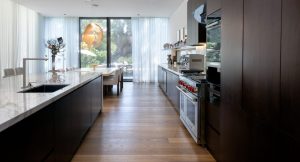
Within this contemporary Al Barari residence, Oak Berlin flooring introduces a restrained matte finish with calmer tonal contrast.
Surface Finishes vs Penetrating Finishes
Different wood finishes behave differently in daily use. Some prioritise durability and easier maintenance, while others preserve more of the timber’s tactile character and grain definition. Understanding these differences helps determine which surface treatment is most appropriate for the way a room will be used.
| Finish Type | Surface Behaviour | Best For | Maintenance Notes |
| Lacquer | Forms a protective layer above the timber | High-traffic areas and easier day-to-day upkeep | Local repairs often require refinishing |
| Oil | Penetrates into the timber grain | Softer texture and more natural material character | Requires periodic re-oiling over time |
| Hardwax Oil | Combines penetrating oil with protective waxes | Balanced durability with warmer tactile quality | Needs occasional maintenance to retain protection |
How Surface Treatments Influence Texture and Feel
Different finishes shape not only how timber looks, but also how it is experienced underfoot. Matte and ultra-matte treatments create a softer visual appearance with minimal reflection, while brushed surfaces introduce more grain definition, particularly across broader board formats where the structure of the timber becomes more visible.
Oil-finished floors retain a closer connection to the raw character of the timber, whereas lacquered surfaces feel smoother and more refined. In bedrooms and quieter living spaces especially, this tactile quality becomes an important part of how the room feels on a daily basis.
Understanding Sheen Levels in Wood Finishes
Sheen refers to the amount of light reflection a finish produces, ranging from high gloss to ultra-matte. The sheen level influences how timber interacts with natural light, how visible wear becomes over time, and the overall atmosphere of a room.
- High gloss finishes create a polished, reflective surface that suits more formal or statement-led interiors, though scratches and surface marks tend to be more visible.
- Satin and matte finishes reduce glare and produce a calmer visual effect, making them better suited to contemporary and open-plan residential spaces.
- Ultra-matte finishes create the closest appearance to untreated timber, with minimal reflection and a softer, more restrained material expression often associated with Scandinavian and Japandi-inspired interiors.
Lower-sheen surfaces also tend to age more gracefully, as wear and fine scratches are less noticeable on flatter finishes over time.
Wood Floor Finishes for Modern Interiors
Each finish influences maintenance, texture, light reflection, and how the timber is experienced within the room over time.
1. Matte Lacquer Finish
A low-sheen protective coating applied above the timber surface, matte lacquer is widely specified in modern residential interiors for its balance of durability, easier maintenance, and restrained visual appearance.
This finish works particularly well in open-plan living areas, hallways, and family homes where everyday practicality matters alongside a softer architectural feel.
- Resists surface wear and moisture effectively
- Produces a smoother surface than oil-finished alternatives
- Reduces glare in rooms with strong natural light
- Suits Scandinavian and contemporary interiors particularly well
The level of sheen also influences the final appearance. Satin lacquer introduces a slight lustre, while ultra-matte lacquer creates a flatter, more understated surface where the timber character becomes more prominent.
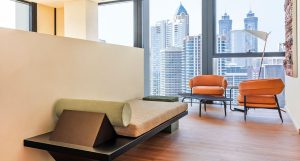
Brushed Oak Biscotti flooring with an ultra-matt surface treatment creating a calmer material presence in this Business Bay penthouse.
2. Natural Oil Finish
Absorbed directly into the timber grain rather than sitting above the surface, natural oil creates a floor that feels closer to raw wood in both texture and appearance. The grain remains more visible, and the material develops a softer patina as it ages over time.
This finish is often chosen for bedrooms, quieter living spaces, and interiors where warmth and tactile character are prioritised over a more polished surface.
- Enhances grain definition and tonal variation
- Preserves a more organic underfoot feel
- Allows easier spot repairs compared to lacquered surfaces
- Develops character gradually through everyday use
The trade-off is maintenance. Oiled floors require more regular care, including periodic re-oiling to maintain protection and appearance. However, localised wear can often be treated without refinishing the surrounding boards, making long-term upkeep more manageable in residential settings.
3. Hardwax Oil Finish
Combining penetrating oil with protective waxes, hardwax oil offers a balance between tactile character and long-term durability. It retains much of the softness associated with oiled timber while providing greater surface resilience in more active residential settings.
This finish works particularly well in dining areas, kitchens, and family homes where the floor is expected to handle consistent daily use without losing its warmer visual character.
- Produces a subtle lustre rather than a flat matte appearance
- Enhances grain definition and surface texture
- Allows easier localised repairs than lacquered finishes
- More resistant to wear than traditional natural oil
Hardwax oil is often specified for interiors where practicality and material warmth need to coexist. It offers a more forgiving maintenance approach than natural oil while preserving a less processed appearance than lacquer.
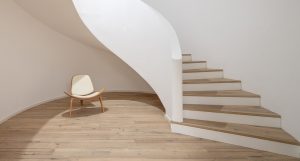
Oak Anziano flooring with a natural oil finish adding warmth beneath this sculptural staircase in The Lakes.
4. Brushed Wood Finish
Created by lightly removing the softer fibres from the timber grain, brushing introduces more texture and depth across the surface of the floor. Unlike lacquer or oil, it is a texturing process rather than a protective coating, designed to emphasise the natural structure of the wood itself.
Brushed finishes are commonly paired with oil or hardwax oil treatments, which complement the more tactile surface and softer visual appearance.
- Enhances grain movement and tonal variation
- Reduces the visibility of minor surface wear
- Introduces a more textured underfoot feel
- Suits Scandinavian and contemporary interiors particularly well
This approach is often specified in open-plan homes and modern villas where material texture forms part of the wider architectural language. Rather than dominating the interior, brushed timber contributes a quieter and more grounded material presence over time.
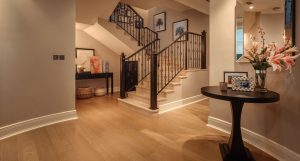
This Legacy Villa in Jumeirah Park features smoked oak flooring with a restrained matte finish and softer grain visibility.
5. Smoked or Stained Finish
Used to deepen or alter the colour tone of timber, smoked and stained finishes preserve the visibility of the grain while introducing greater warmth and tonal depth. Unlike painted surfaces, the character of the wood remains visible beneath the treatment.
These finishes are often specified in formal living spaces, hospitality-inspired interiors, and larger rooms where darker flooring helps create a more layered material palette.
- Adds depth and contrast without concealing the timber grain
- Produces warmer and more atmospheric tones
- Offers a broader range of colour variation across different interiors
- Works best in spaces with balanced natural light
Lighting conditions become especially important with darker finishes. In rooms with limited daylight, heavily smoked or stained flooring can reduce visual openness and make the interior feel heavier than intended. The relationship between floor tone, ceiling height, and available light should always be considered together during specification.
How to Choose the Right Wood Finish for Each Room
The most suitable finish depends not only on appearance, but also on how the room is used, the quality of natural light, and the level of maintenance the space can realistically accommodate.
Consider Traffic Levels
Hallways, connected living spaces, and family dining spaces benefit from finishes with greater surface resilience. Matte lacquer and hardwax oil are often better suited to these environments, while bedrooms and quieter rooms can accommodate softer treatments such as natural oil more comfortably.
Homes with children or pets also benefit from finishes that allow easier localised repairs without refinishing the entire floor.
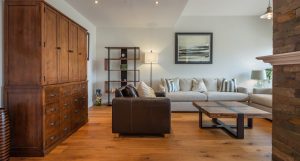
This Savannah Villa in Arabian Ranches pairs smoked oak flooring with warm timber detailing and richer tonal depth.
Consider Natural Light Conditions
Matte and ultra-matte finishes reduce glare and work particularly well in bright interiors with strong daylight exposure. Pale, lower-sheen surfaces can also make rooms feel more open and visually balanced.
Darker smoked or stained floors are often more effective in spaces with softer, controlled lighting, where deeper tones can add warmth without overwhelming the room.
Consider Interior Style
Scandinavian and Japandi-inspired interiors typically favour brushed surfaces, natural oil, and ultra-matte finishes for their softer material expression and restrained appearance.
Contemporary minimal homes often lean toward matte lacquer for its cleaner visual quality and easier maintenance, while more classic interiors may suit finishes with a slightly richer lustre.
Consider Maintenance Expectations
Some finishes require more ongoing care than others. Lacquered surfaces are generally easier to maintain day to day, while oil-finished floors benefit from more regular upkeep but allow simpler spot repairs over time.
Hardwax oil offers a balance between the two, and brushed textures tend to disguise fine surface wear more effectively in active residential spaces.
Understanding the maintenance commitment of each finish before installation helps align material choice with the practical demands of residential use.
Why Finish Selection Matters Long-Term
The finish applied to a timber floor influences more than appearance and day-to-day maintenance. Low-VOC treatments can contribute to healthier indoor environments, particularly in homes with children or sensitivity to airborne compounds, while refinishing potential plays an important role in long-term material sustainability.
A floor that can be restored rather than fully replaced reduces waste, extends the lifespan of the timber, and supports a more considered approach to long-term material value.
Choosing a Finish That Ages Well
The right surface treatment supports both the visual character of the timber and the practical demands of everyday living. It influences how a floor responds to light, wear, movement through the home, and the changing atmosphere of the interior over time.
The most successful choices are rarely the most decorative. They are the ones that allow the timber to retain its depth, grain definition, and material presence while continuing to perform comfortably within the way the space is actually used.

Warm Regards,
Pauline Madani
Founder & Managing Director Nordic Homeworx
Frequently Asked Questions
Which wood floor finish is easiest to maintain?
▼Lacquered finishes are generally the easiest to maintain on a day-to-day basis. Their protective surface layer resists moisture, staining, and abrasion more effectively, making routine cleaning simpler in busy residential spaces.
What is the most scratch-resistant finish for timber flooring?
▼Matte lacquer and hardwax oil tend to perform best in active homes where surface wear is more likely. Lower-sheen finishes also help minimise the visibility of fine scratches compared to higher-gloss alternatives.
Which surface treatment works best in humid climates?
▼Engineered timber paired with stable finishes such as matte lacquer or hardwax oil generally performs more reliably in environments where humidity levels fluctuate throughout the year. Proper installation and acclimatisation remain equally important.
Can wood floor finishes be refinished or changed later?
▼Many timber floors can be refinished over time, depending on the construction of the board and the condition of the surface. Engineered flooring with a sufficient wear layer can often be sanded and re-treated with a different finish when needed.
How do I choose between oil and lacquer for my home?
▼Oil preserves more of the timber’s natural texture and allows easier localised repairs, while lacquer offers greater surface protection and requires less routine maintenance. The better choice depends on how the space is used and the level of upkeep the floor can realistically accommodate.