


Wood Parquet Flooring: Patterns, Sizes, Ideas, and Care Tips (2026)
February 26, 2026
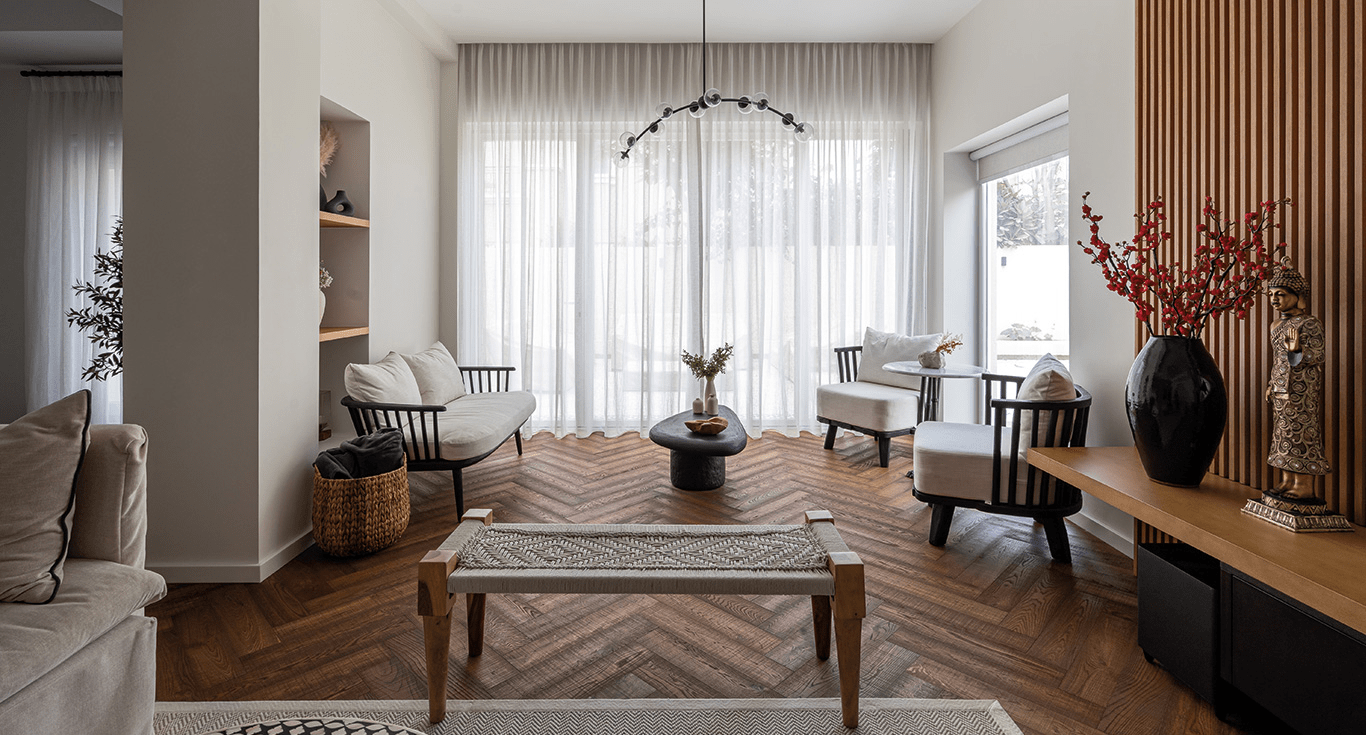
Geometric wood patterns bring craftsmanship into your home, transforming ordinary floors into refined architectural surfaces. In interiors with open layouts and abundant natural light, parquet delivers both visual depth and long-term performance.
Upgrading your flooring changes how your home feels and how it stands the test of time. With the right parquet pattern, size, and finish, and with proper care, your floors can balance striking design with everyday durability.
In this guide, we share expert insights on parquet flooring to help you make confident choices. From patterns and sizes to finishes and maintenance, our guidance ensures your floors remain a premium feature for decades.
What Makes Parquet Flooring Perform Better
Modern parquet is built with engineered wood, combining a real hardwood surface with a layered core for enhanced stability. This construction allows floors to adapt to temperature and humidity changes, which is especially important in climate-controlled environments.
Unlike historic solid timber, engineered parquet reduces the risk of warping or gaps over time, making it a long-lasting choice for modern living spaces.
Engineered parquet provides a reliable, practical flooring option that maintains its quality and appearance over time with proper care.
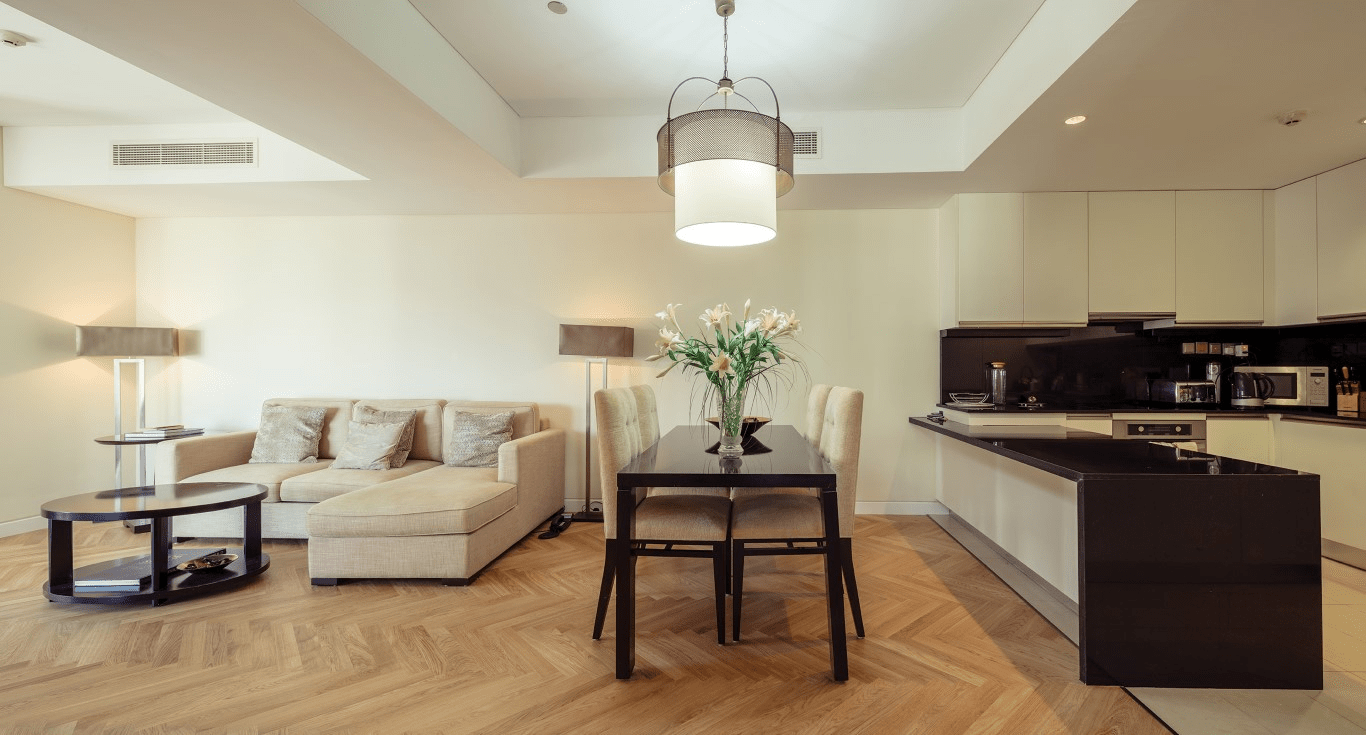
Why Parquet Flooring Suits Your Home
With air-conditioned environments, natural wood can face challenges in dry, controlled indoor settings. In this context, parquet floors provide long-term stability while retaining timber’s warmth and character.
In open-plan apartments and villas, parquet helps define spaces and soften modern architecture. Carefully arranged patterns provide subtle structure, while the natural grain keeps interiors grounded and visually balanced.
By maintaining dimensional stability and visual continuity, parquet ensures your flooring supports both daily use and the architectural flow of connected spaces.
Parquet Flooring Patterns That Shape Interiors in 2026
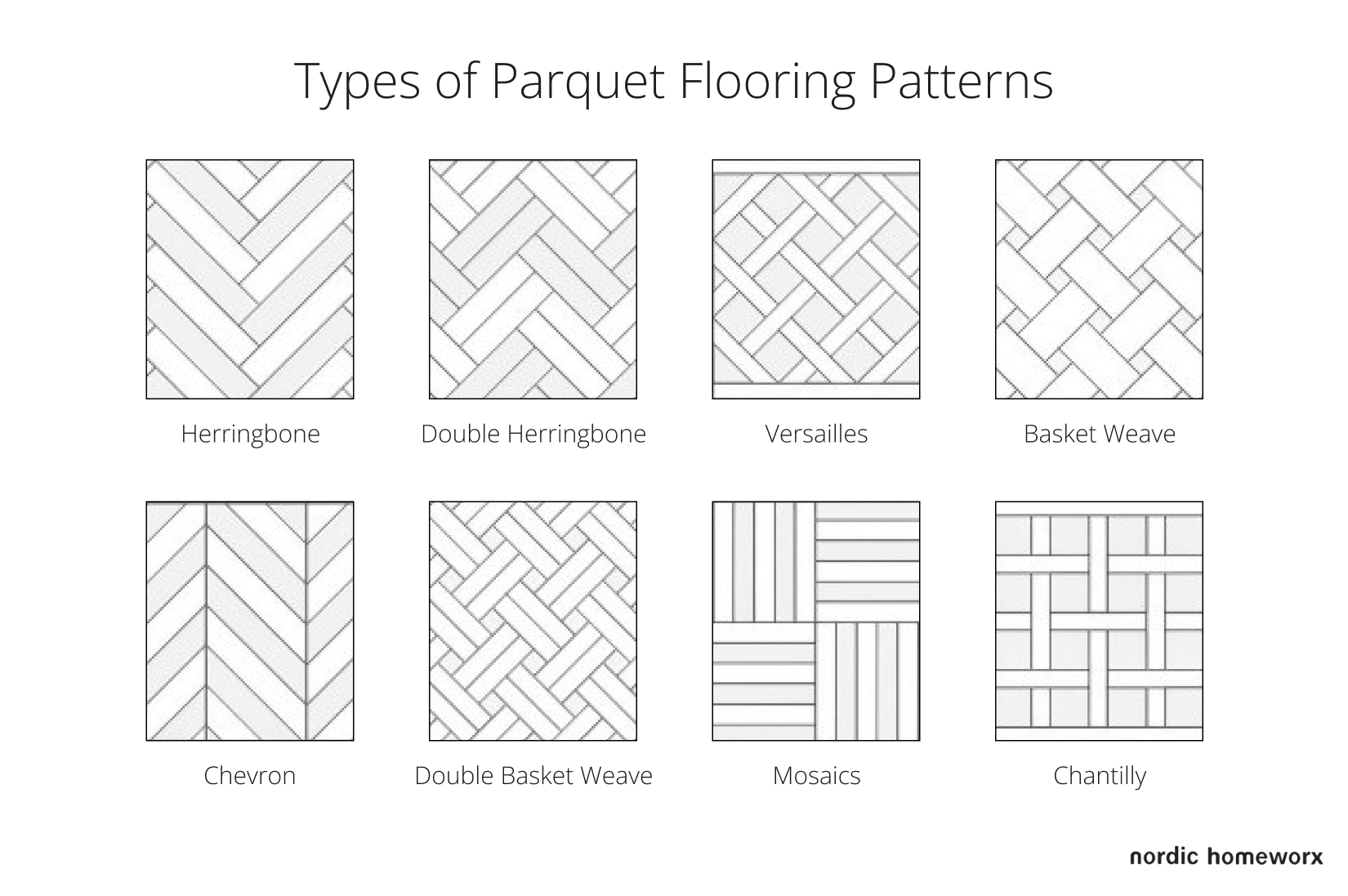
These patterns affect how light interacts with a room and how the eye perceives movement and space. Different layouts create visual rhythm, highlight wood grain, and can influence the perceived scale and flow of interiors.
1. Herringbone: Timeless Elegance
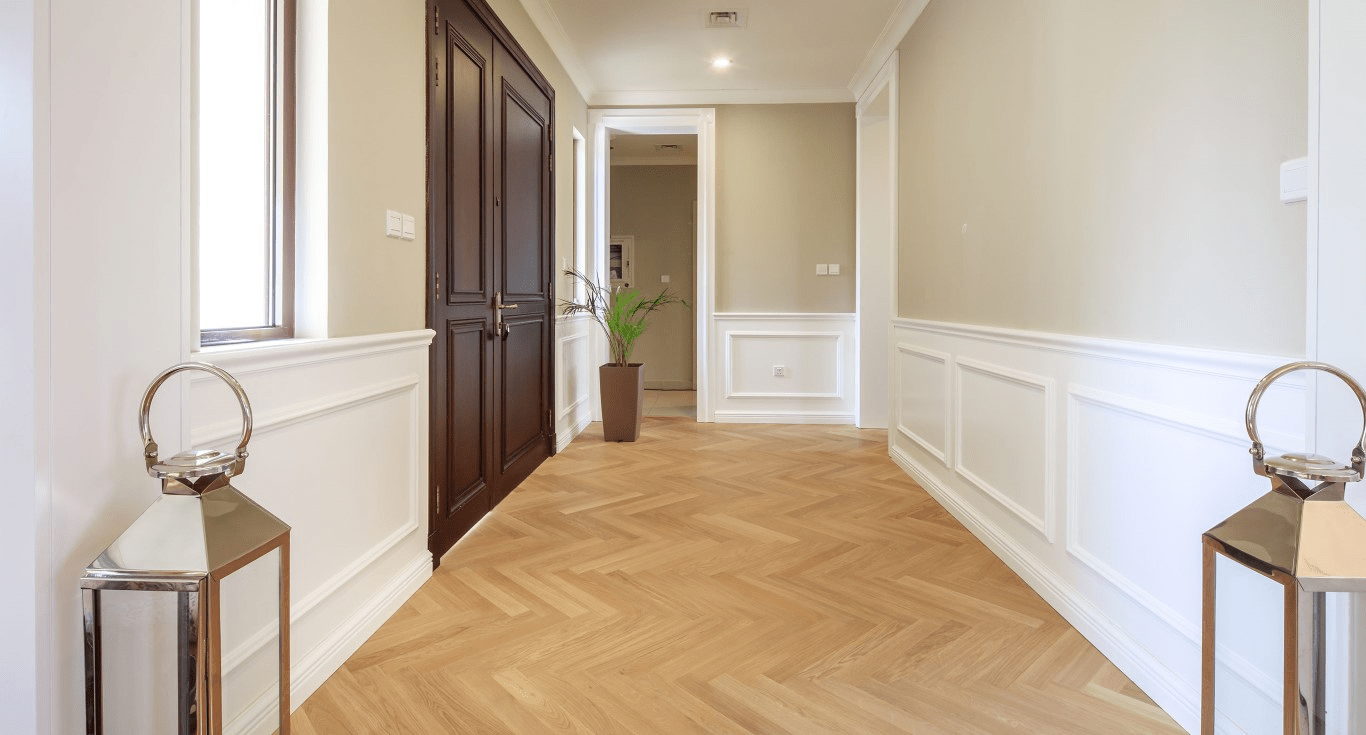
Favoured for its classic design, herringbone introduces depth and sophistication to interiors. Its angled layout creates subtle movement and rhythm, giving rooms dimension without overwhelming the space. Light oak reflects natural light, creating airy and inviting spaces.
Traditionally used in European architecture, herringbone works well in living rooms, dining areas, and open-plan spaces. It combines visual interest with a sense of order, making it versatile for both classic and contemporary interiors.
2. Double Herringbone: Architectural Statement
Known for its bold visual impact, double herringbone uses paired blocks to create rhythm and structure. It adds a refined, architectural quality that elevates feature rooms or hallways.
This pattern suits open areas where floors are meant to make a statement. Its structured appearance enhances premium interiors while complementing furniture and décor without competing for attention.
3. Chevron: Modern Precision
Its precise V-shaped design creates a sense of direction and flow, drawing the eye across the room while elongating spaces. The repeating angles also highlight the natural texture and grain of the parquet, adding subtle visual interest and depth to the floor.
This pattern works particularly well in corridors or open-plan areas, where it can define zones and guide movement without barriers. Chevron provides intentional flow while keeping interiors balanced, visually appealing, and harmoniously aligned with the architecture.
4. Versailles and Mosaics: Heritage Luxury
Renowned for their intricate geometric layouts, Versailles and mosaic patterns bring heritage charm and artistic detail to floors. These designs turn large or formal areas into elegant, visually striking interiors.
They work particularly well in grand entryways, reception rooms, or feature spaces where craftsmanship is on display. Versailles and mosaics provide a sense of timeless luxury and sophistication while remaining versatile enough to complement modern spaces.
5. Basket Weave and Double Basket Weave: Balanced Texture
Recognised for their subtle, interlacing patterns, basket weave layouts bring understated elegance and visual rhythm to interiors. Double basket weave increases scale and impact, creating a bolder statement in larger areas.
These patterns suit bedrooms, studies, or mid-size living spaces where texture and harmony are key. They add visual interest and structure while keeping furniture and décor as the main focus, ensuring a balanced and refined interior.
6. Chantilly: Refined European Flair
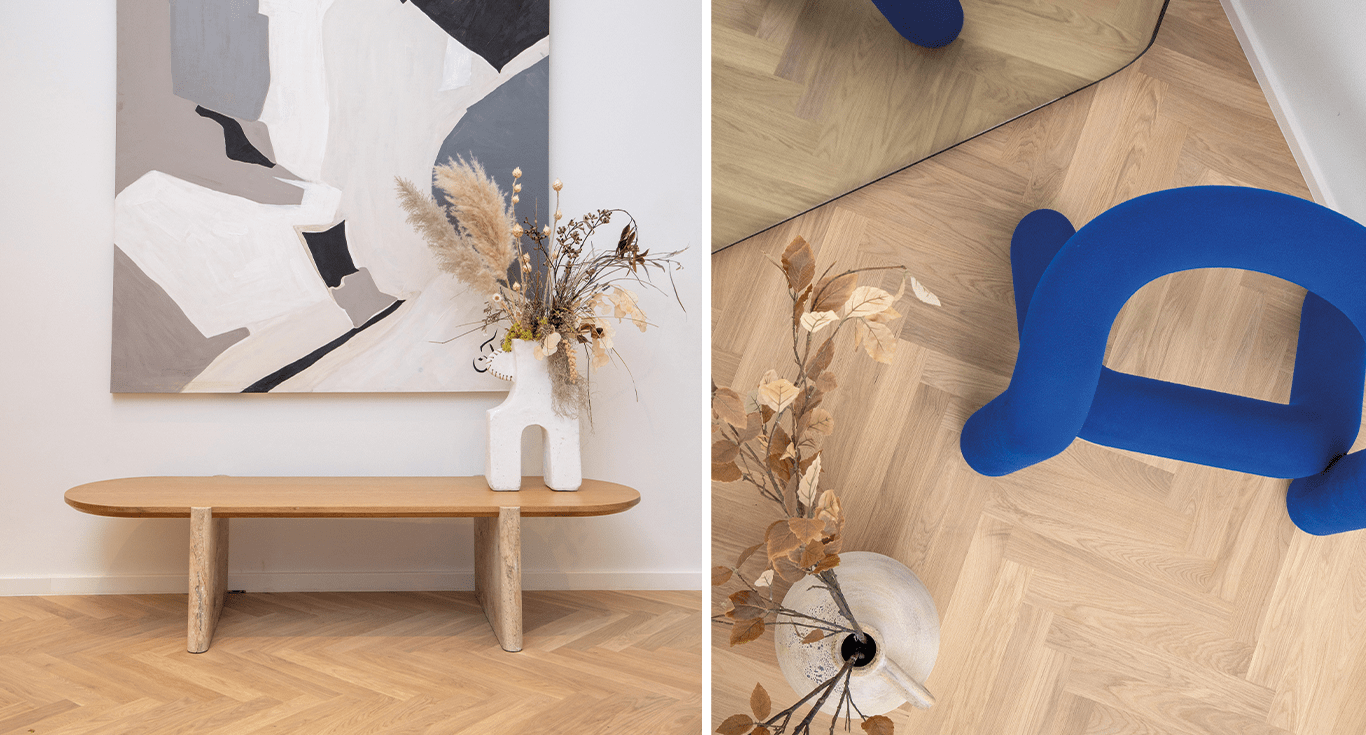
Known for its delicate, interlacing square patterns, Chantilly parquet adds decorative detail while remaining subtle and refined. Its European-inspired design brings sophistication without overwhelming the room.
This pattern works particularly well in dining rooms, lounges, or studies where understated elegance is desired. Chantilly introduces a layer of refinement that complements interiors, enhancing the overall style with quiet, premium character.
How to Choose the Right Parquet Size for Your Space
The scale of your parquet flooring plays a key role in how a room feels. The size of each block can influence the perception of space, visual flow, and the overall atmosphere of your interior.
Smaller Blocks
- Add texture and intricate detail, giving compact rooms a sense of character
- Ideal for bedrooms, studies, or cozy living areas where subtle visual interest is desired
- In larger spaces, small blocks can appear busy if not balanced with the rest of the design
Wider Blocks
- Create a calm, continuous flow across the floor
- Perfect for open-plan living areas, villas, or rooms where you want a sense of expansiveness
- Help larger spaces feel intentional and cohesive without overcrowding the design
When choosing the right size, consider the mood you want to create. Calm, open areas benefit from larger elements that emphasise spaciousness. Intimate spaces gain charm and elegance from finer details. Matching block size with the room’s function and layout ensures your parquet floor enhances the architecture rather than competing with it.
Installation Direction and Spatial Flow
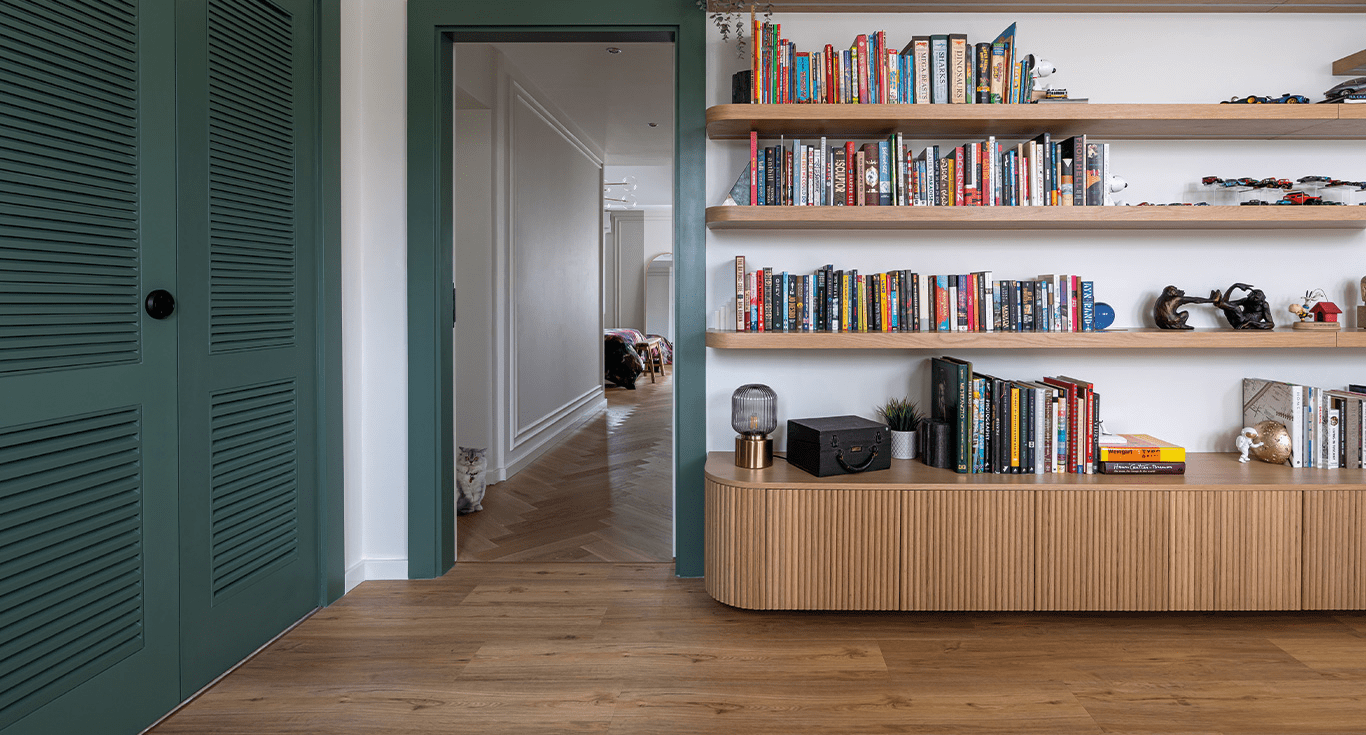
The direction of your parquet flooring significantly affects how a space feels. Aligning patterns with natural light can make interiors appear brighter and more open. Running parquet along the longest wall makes a room feel more spacious.
In open-plan homes, directional layouts guide movement and define zones without physical barriers. Layout choices are permanent once installed, so planning this step carefully ensures the floor supports the architecture rather than competing with it. Professional guidance can help align patterns with light, layout, and daily use for the best effect.
Parquet Floor Texture and Finish
The texture and finish of a parquet floor determine how it looks, feels, and ages. Choosing the right combination ensures your floor stays elegant, durable, and visually balanced.
Brushed and Textured Surfaces
Brushed finishes highlight the wood’s natural grain and soften everyday wear. They hide minor scratches, making them ideal for family homes and high-traffic areas while adding subtle depth underfoot.
Matte and Natural Finishes
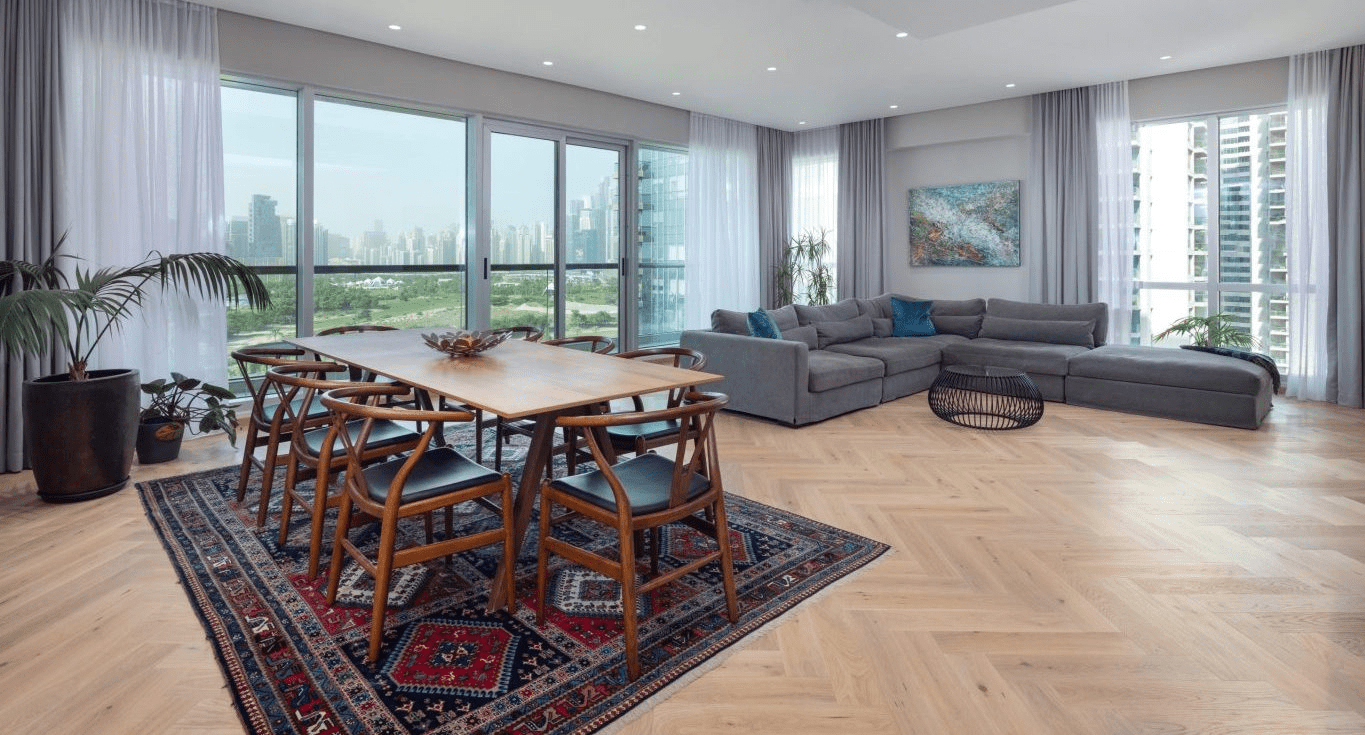
Matte and natural finishes reduce glare, soften reflections, and age gracefully. Oiled finishes allow for targeted repairs without refinishing the whole floor, helping preserve the wood’s natural character.
High-Gloss Finishes
High-gloss floors create instant visual impact, but they show scratches more easily. For long-lasting elegance, matte or natural finishes are often preferred, maintaining sophistication in daily use.
Which Parquet Colours Stay Relevant Over Time
Colour should support your home long after trends fade. Different parquet tones create distinct effects, helping you balance light, warmth, and contrast in any interior:
|
Colour |
Effect and Best Use |
| Light Oak | Keeps interiors bright and open; enhances natural light and airy feel. |
| Neutral Tones | Flexible with furniture and décor; adapts as your interior style evolves. |
| Medium Shades | Adds warmth without overwhelming the palette; ideal for living rooms and bedrooms. |
| Dark Parquet | Creates contrast; works well in spaces with generous natural light. |
Natural tones are particularly versatile, adapting well as your interior style changes over time.
Where Parquet Flooring Performs Best in Your Home
Parquet adapts effortlessly across different areas without losing its character. Its versatility allows it to balance elegance, texture, and function throughout your interiors.
Living Rooms
Parquet creates a refined foundation, reducing the need for heavy decoration. Its patterns add visual interest while keeping furniture simple and intentional. The floor becomes a subtle design feature, enhancing the room’s flow and atmosphere.
Bedrooms
In bedrooms, parquet introduces warmth and a sense of calm. Combined with soft textiles, the natural wood texture supports rest-focused interiors and creates balanced, comfortable spaces.
Hallways and Entryways
High-traffic areas benefit from engineered parquet’s durability. It withstands daily use while maintaining a premium look, ensuring your home makes a strong first impression.
Open-Plan Interiors
When used across connected rooms, parquet defines zones without interrupting continuity. Consistent flooring helps spaces feel larger and more cohesive, supporting both functionality and visual harmony.
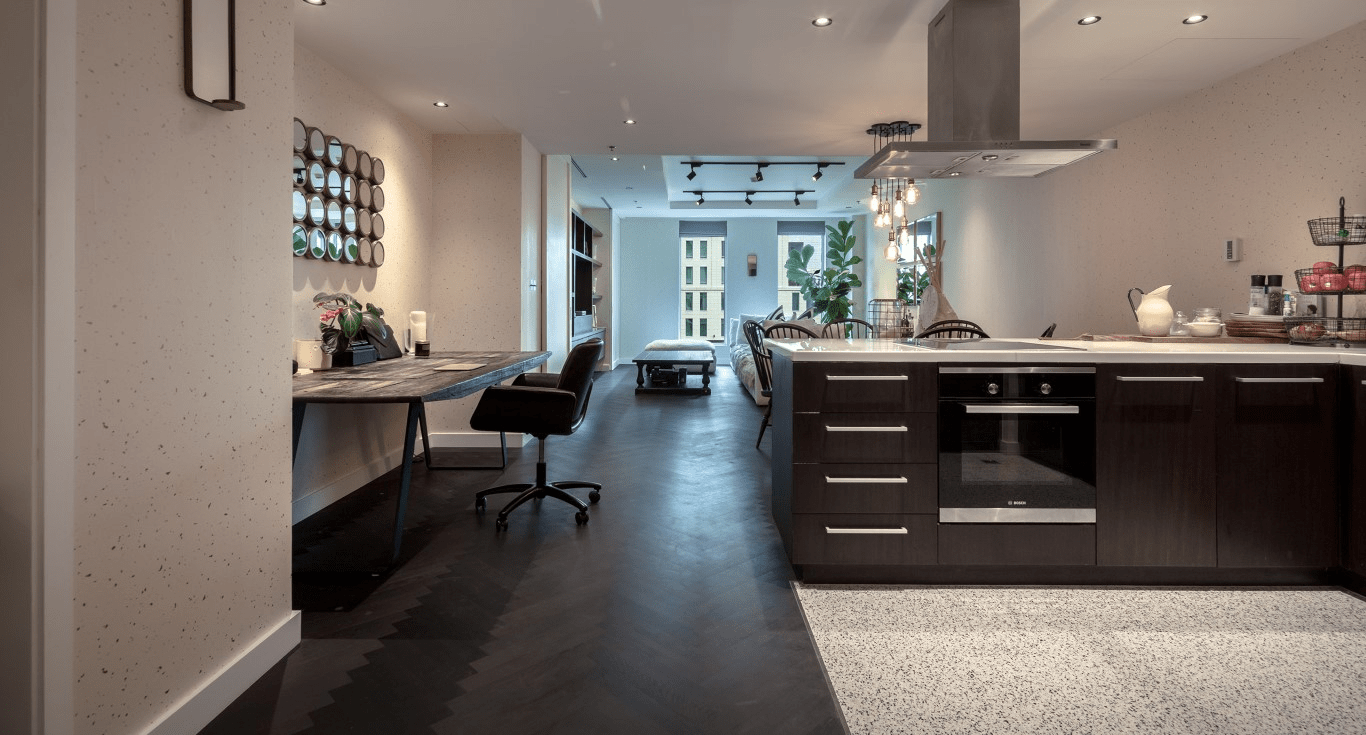
How to Clean Parquet Floors Properly
The way you care for your parquet floor has a direct impact on how it looks and ages over time. A consistent maintenance routine preserves both its elegance and durability.
Daily and Weekly Care
- Vacuum or sweep with a soft brush attachment to remove grit before it scratches the surface.
- Wipe up spills immediately to prevent staining or water damage.
- Regular light cleaning keeps the floor looking fresh without compromising the wood’s natural character.
Deep Cleaning and Long-Term Care
- Use a pH-neutral wood floor cleaner with a lightly damp mop. Excess water can damage wood, even with engineered construction. Avoid steam mops entirely.
- Protect your floor with felt pads under furniture and rugs in high-traffic areas.
- Maintain stable indoor humidity to reduce wood movement, and re-oil oiled floors periodically to preserve finish and depth of colour.
What to Avoid
- Steam cleaners or excessive water
- Harsh chemical detergents
- Dragging heavy furniture across the floor
These habits prevent premature wear and extend the life of your parquet, keeping it looking premium for years.
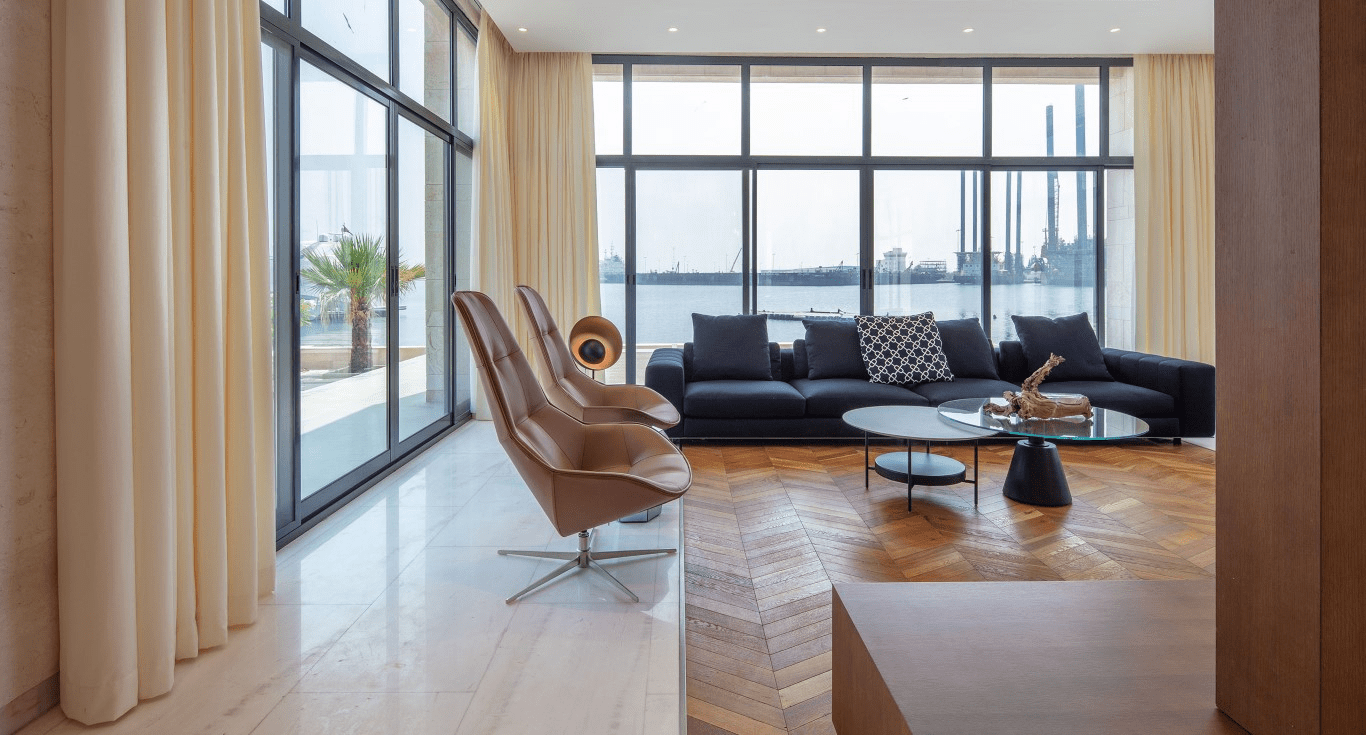
Why Parquet Flooring Is a Long-Term Investment
Parquet evolves with your home rather than degrading over time. When properly maintained, it can be refinished instead of replaced, extending its lifespan and preserving design quality. This makes it a smart investment that reduces long-term renovation costs while enhancing the natural beauty and perceived value of your property.
Is Parquet Right for Your Home
Homes that prioritise design quality and long-term performance benefit most from this flooring choice. When we guide homeowners in selecting the right pattern, size, finish, and layout early in the renovation process, the floor becomes an integral part of the interior architecture rather than an afterthought.
We work closely with you to plan flooring in relation to lighting, layout, and daily use. This careful approach ensures your parquet floor not only supports the way you live but also elevates the elegance and cohesion of your home from the ground up.

Warm Regards,
Pauline Madani
Founder & Managing Director Nordic Homeworx
Frequently Asked Questions
Is parquet good for flooring?
▼Parquet flooring combines design elegance with long-term performance. Its geometric patterns add visual depth, while engineered construction ensures stability and durability. Well-chosen parquet elevates the look of any space, making it both a functional and premium design feature.
What are the downsides of parquet flooring?
▼Parquet requires proper care to maintain its appearance. It can be scratched by heavy furniture or excessive grit, and moisture can damage poorly maintained floors. Engineered parquet mitigates these issues, but regular cleaning, humidity control, and protective measures are essential for longevity.
How long do parquet floors last?
▼With proper maintenance, parquet floors can last several decades. Engineered wood allows for refinishing, which extends their life and keeps the design looking fresh. Regular care, including gentle cleaning and occasional oiling for oiled finishes, preserves both beauty and performance.
Can you wash parquet flooring?
▼Parquet should not be saturated with water. Use a lightly damp mop with a pH-neutral wood floor cleaner, and wipe up spills immediately. Avoid steam cleaning or harsh chemicals, as these can damage the wood and finish.
How does parquet compare to other flooring types?
▼Parquet offers a unique combination of visual artistry and durability that many other flooring options, like laminate or vinyl, cannot match. Unlike solid timber, engineered parquet adapts to humidity and temperature changes, providing long-term stability while retaining the warmth and character of natural wood.