


How to Match Wood Colors: Tips for Furniture and Flooring
November 14, 2025
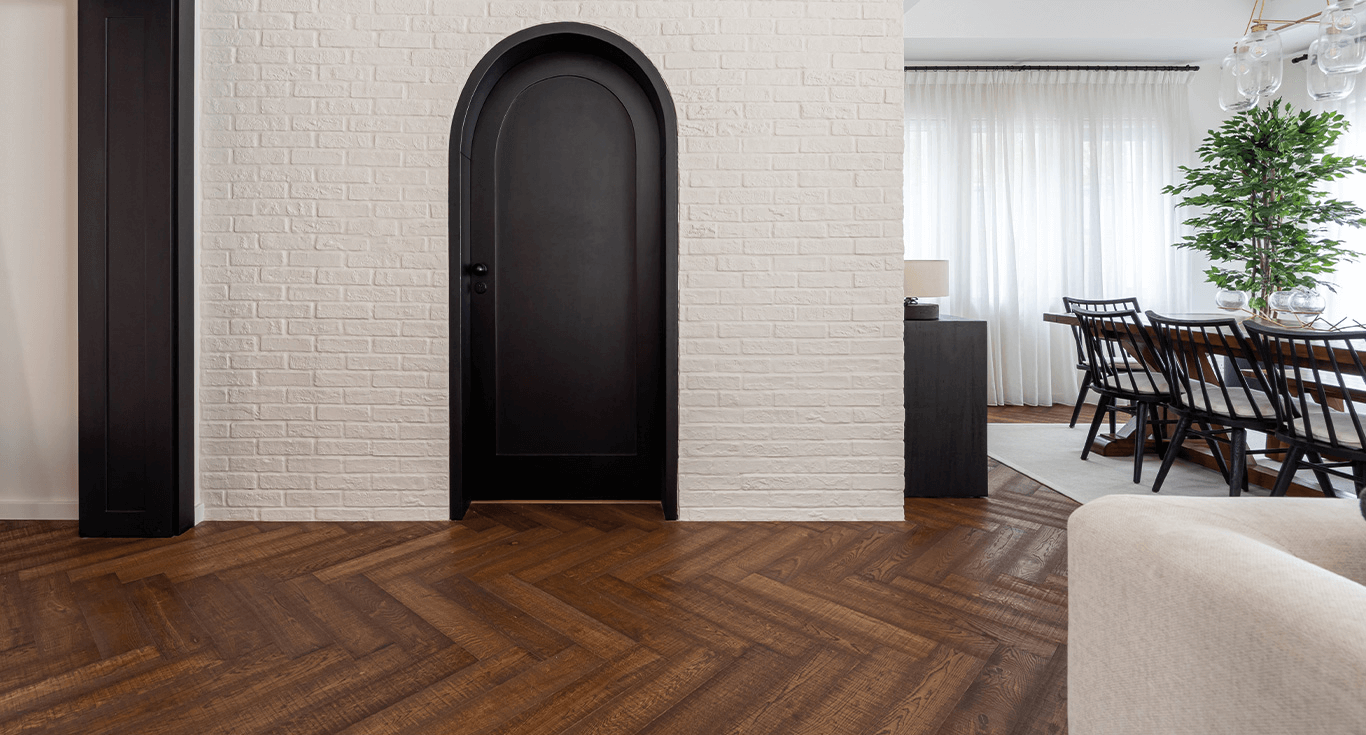
Hardwood remains a top flooring option for many homeowners because it delivers lasting appeal. It offers flexibility in style, adds natural beauty, and enhances the character of any room. Matching wood colors between furniture and flooring can transform a room from chaotic to cohesive.
Choosing the right combination affects how spacious, polished, or inviting a space feels. When wood tones clash, interiors feel disjointed. On the other hand, when they complement, the result feels intentional and warm. This guide offers clear, practical advice to help you match wood colors effectively and confidently.
The Importance of Undertones
Undertones shape how any flooring choice appears, whether it is luxury vinyl or engineered wood. They shift under natural and artificial light, so checking samples in different conditions keeps your finish consistent throughout the home.
- Warm undertones: Show touches of red, orange, or yellow. They create an inviting atmosphere and suit spaces that aim for a cosy, welcoming feel.
- Cool undertones: Feature hints of grey or green. They support a calm, modern look and work well in rooms that follow a clean, contemporary style.
Matching Furniture to Flooring: What to Consider
Matched Look
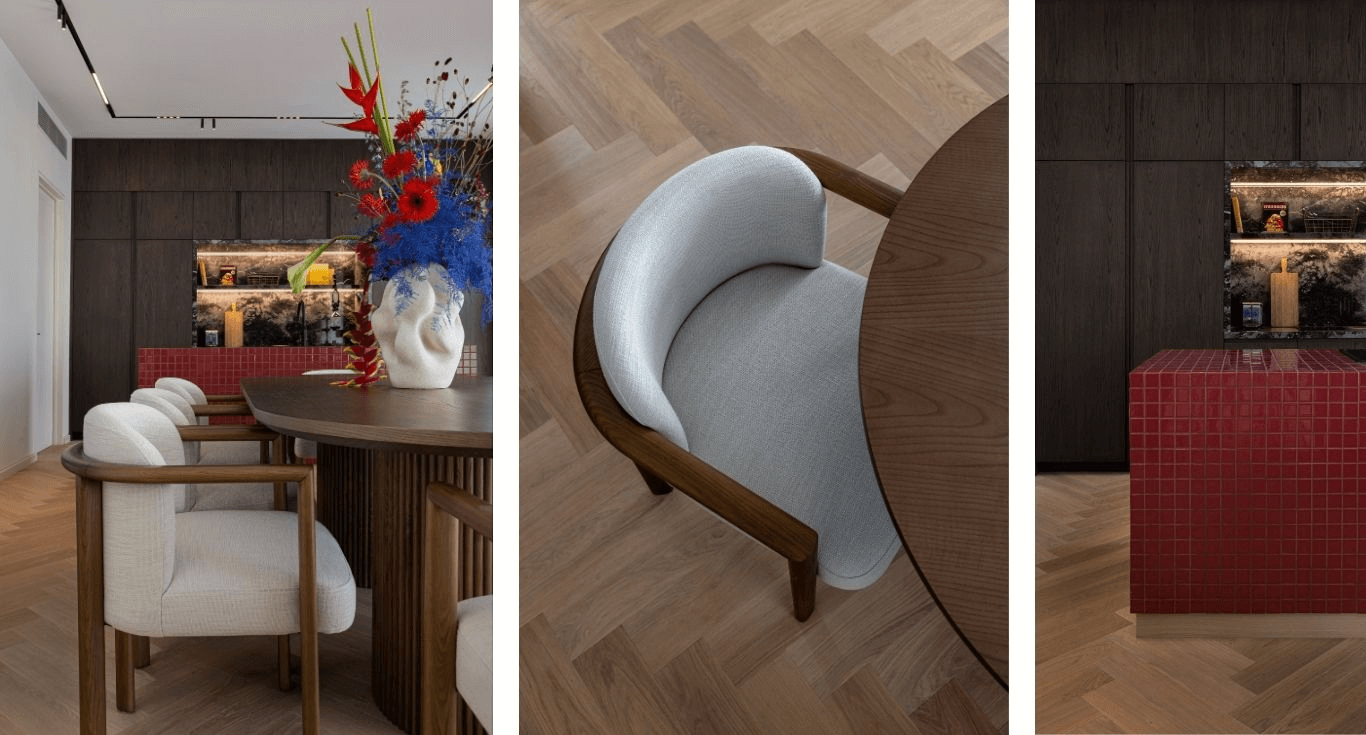
This approach uses flooring and furniture with similar tones and undertones, creating a seamless, uniform feel. It works especially well in open-plan areas where cohesion matters, in small rooms to reduce visual clutter, and in minimalist or Scandinavian interiors.
For example, a mid‑tone oak floor paired with an oak dining table maintains harmony throughout the space.
Contrasting Look
Contrasting tones add depth and visual interest while still complementing the overall design through shared undertones or style. This is ideal for larger rooms needing drama, spaces with distinct functional zones like dining and lounge areas, or layered design themes such as modern-rustic, eclectic, or vintage-modern mixes.
For instance, light ash flooring paired with dark walnut chairs, both with cool undertones, creates a striking yet balanced contrast.
Tips for Mixing Wood Tones
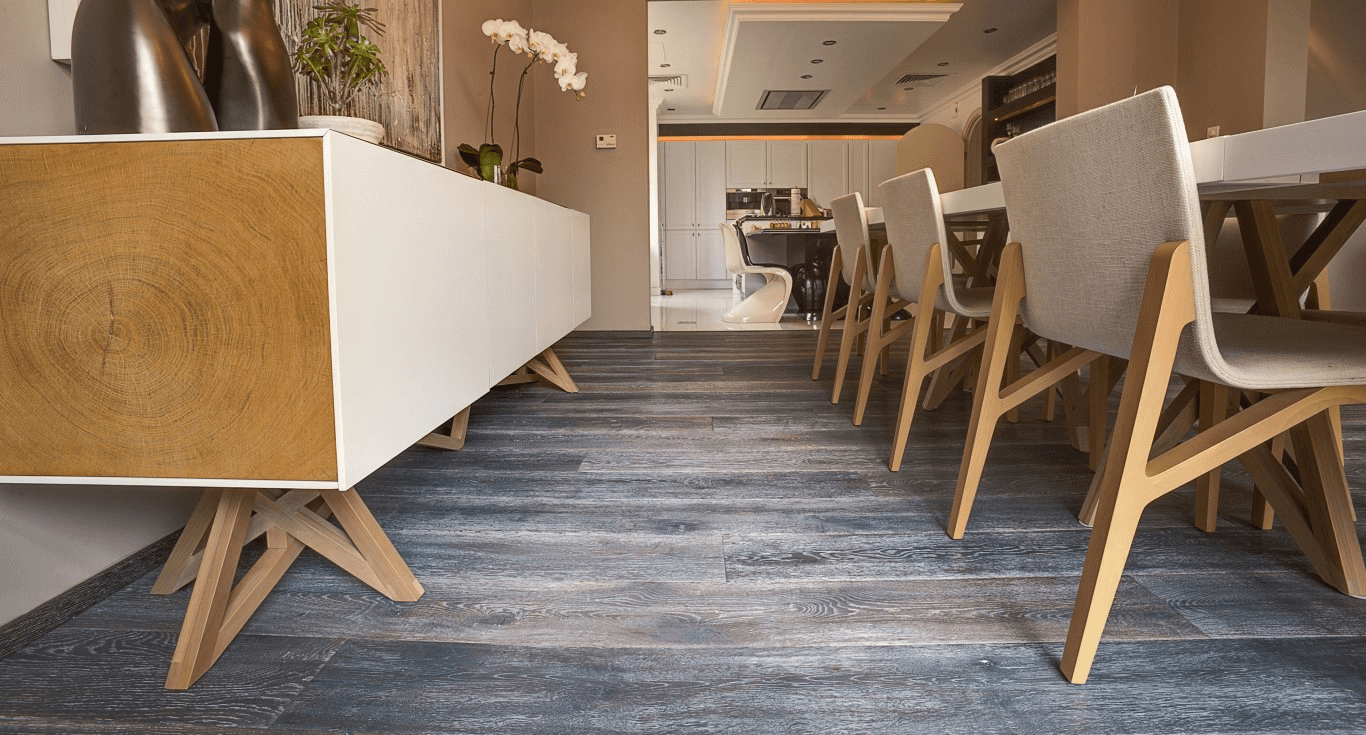
Mixing woods adds character but requires care. Here are essential guidelines:
- Limit the Palette: Stick to two or three wood tones. Too many can feel chaotic and disjointed.
- Use Contrasts Intentionally: Pair light furniture with darker flooring to create focus and depth. Highlight architectural details or furniture pieces with accent woods.
- Introduce Accessories: Frames, shelving, or décor items can unify mismatched wood tones. Metal accents and textiles help harmonise contrasts.
- Test Under Lighting: Wood color shifts under light. Review combinations at different times of the day and under artificial lighting to ensure balance.
- Incorporate wood finishes: Textures and patterns such as wood grains, herringbone, or chevron can help differentiate areas while maintaining cohesion. Consider subtle variations to avoid monotony.
Keeping these points in mind ensures your wood combinations feel unified and thoughtfully put together rather than accidental.
Light Wood Flooring: Bright, Airy, and Effortlessly Fresh
Light woods brighten interiors and make rooms feel open and spacious. Their soft tones reflect natural light, giving homes a clean and modern look. These floors pair well with neutral palettes, minimalist furniture, and spaces that aim for a calm, breezy atmosphere.
1. Soft Blonde
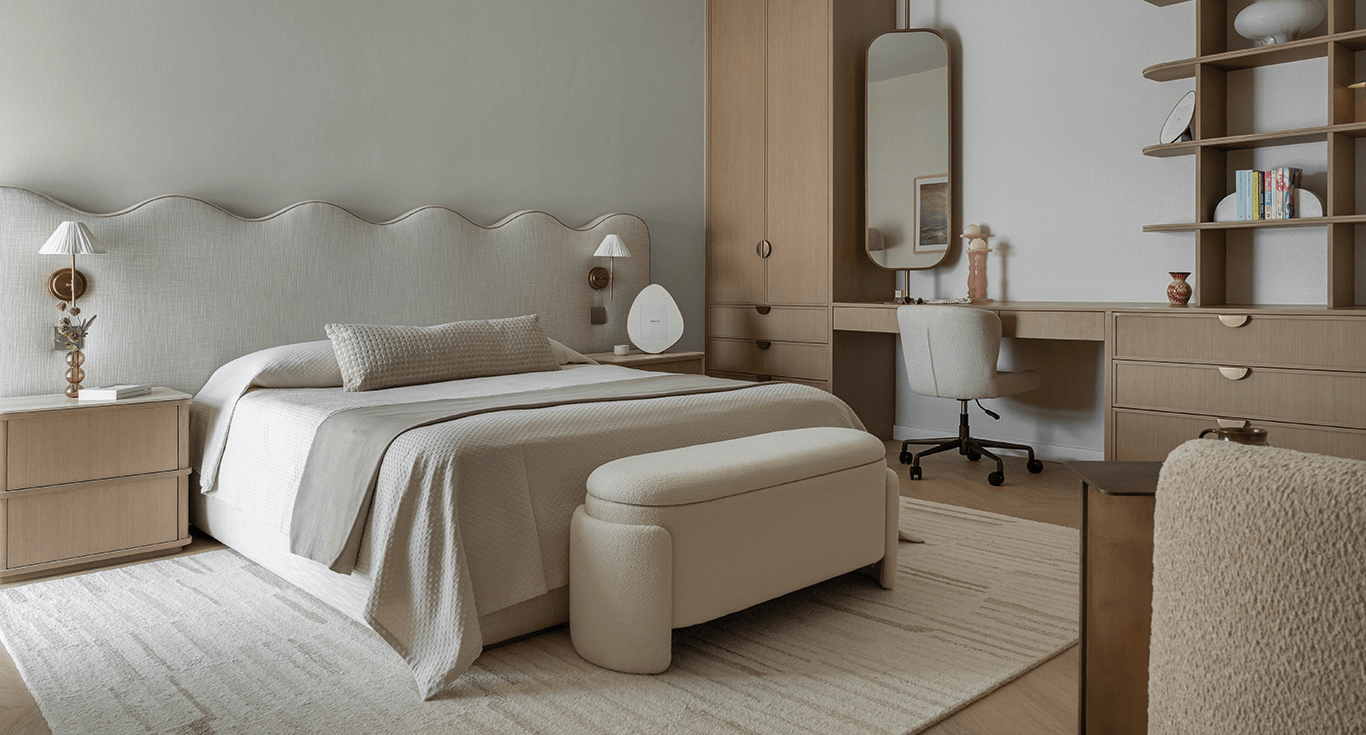
The color carries gentle honey undertones and a smooth, natural texture. Its warm brightness suits Scandinavian pieces, light fabrics, and simple silhouettes. It pairs well with beige upholstery, natural linens, pale oak furniture, and interiors that lean toward relaxed elegance.
2. Cream White
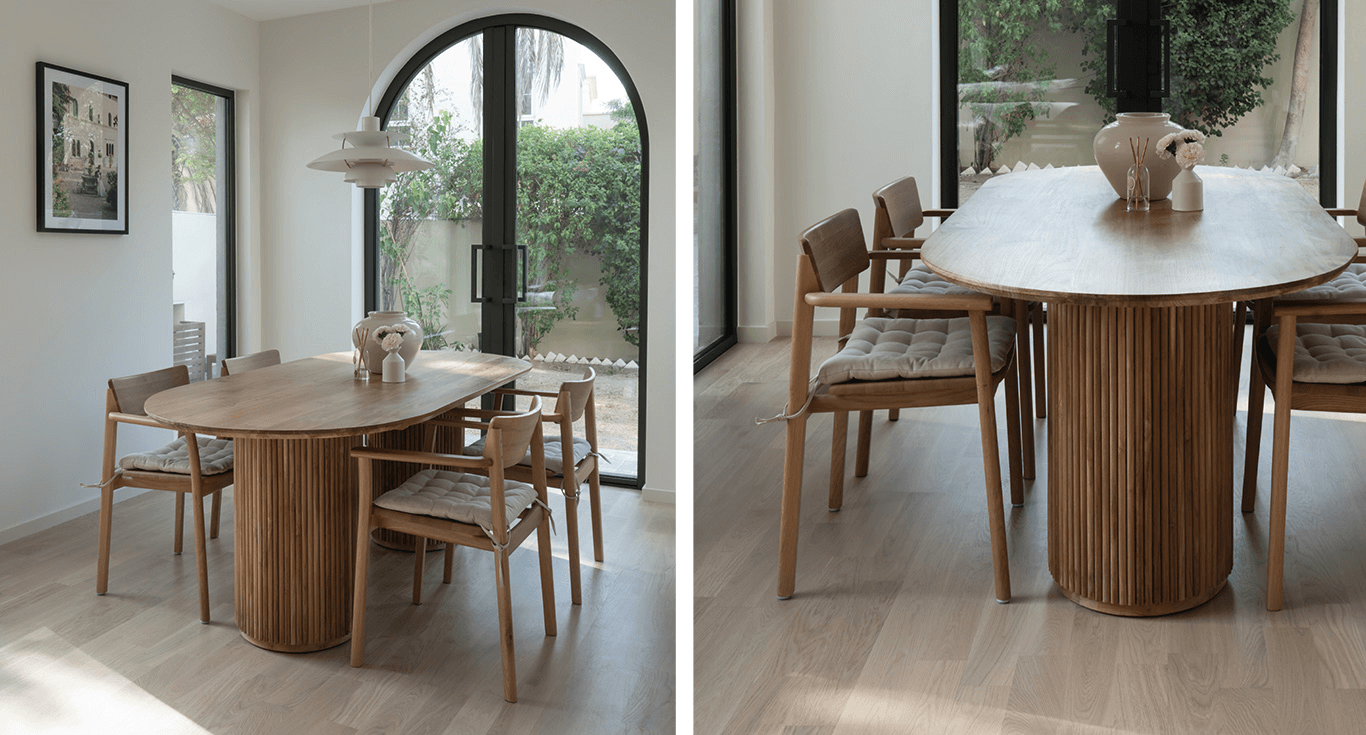
Cream white flooring creates a soft, refined base that highlights warm neutrals without competing with them. It works well with furniture in slightly deeper brown wood colors, offering a gentle contrast that still feels cohesive. This balance keeps the space warm, polished, and visually grounded.
3. Pale Elegance
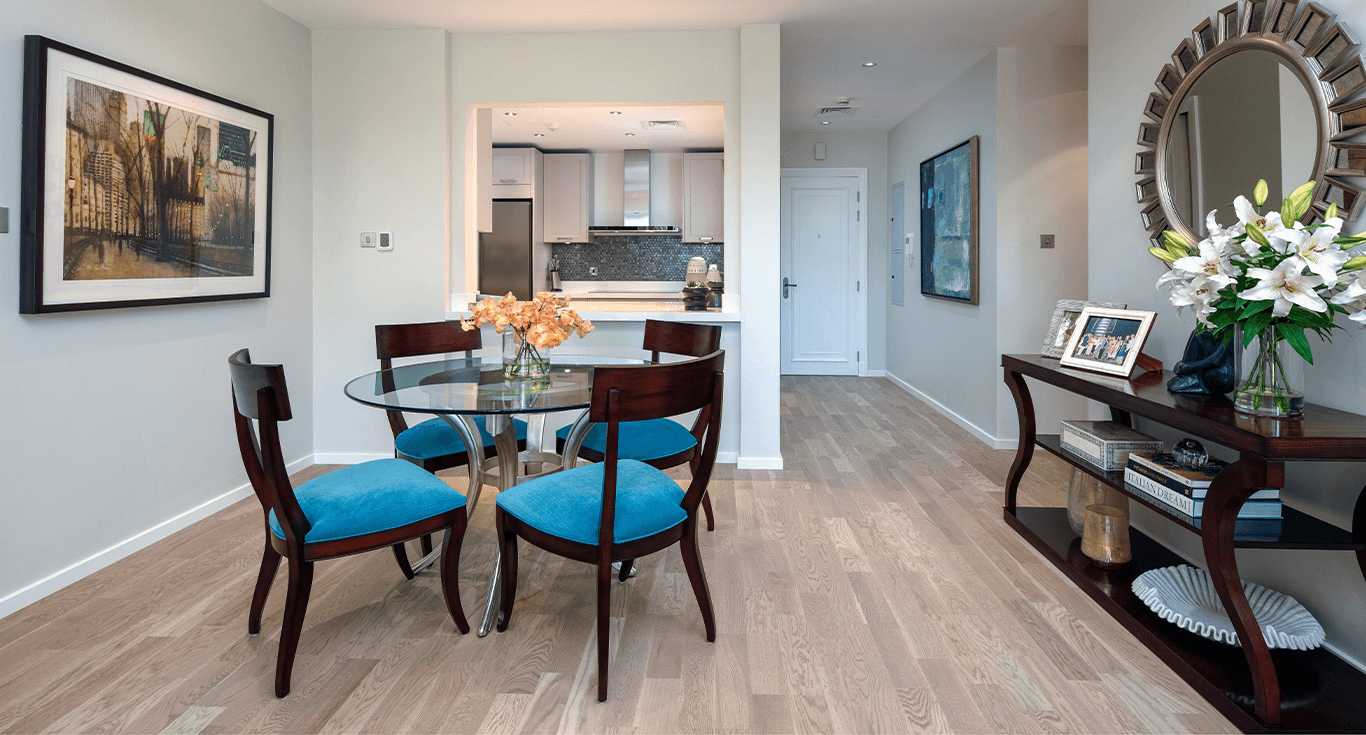
A pale, earthy wood color floor sits in the middle range, so it works well in many interiors. It pairs nicely with rich mahogany-toned furniture, since the warm floor softens the darker wood and keeps the space balanced. Blue accents add a fresh touch that highlights the floor’s warm tones and brings the whole room together.
Medium Wood Flooring: Warm, Balanced, and Versatile
Medium woods bring harmony to a room. Their balanced tones work with both light and dark elements, making them suitable for modern and classic styling. These shades anchor a space without making it feel heavy and pair well with earthy palettes and textured fabrics.
1. Rich brown
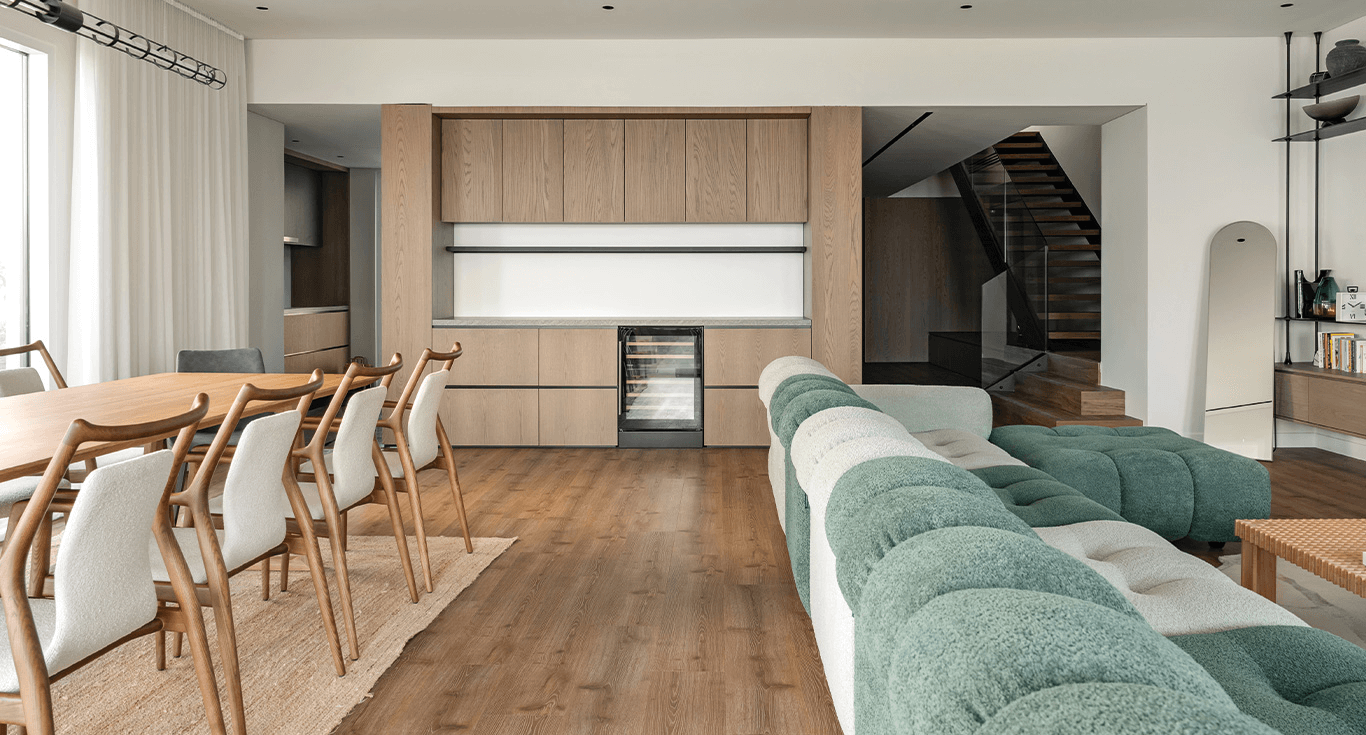
Rich brown floors often show hints of gold and amber. These warm tones support deep green, navy, and terracotta accents. They pair well with walnut furniture, brass details, and woven textures that highlight the wood’s natural depth.
2. Biscotti Brown
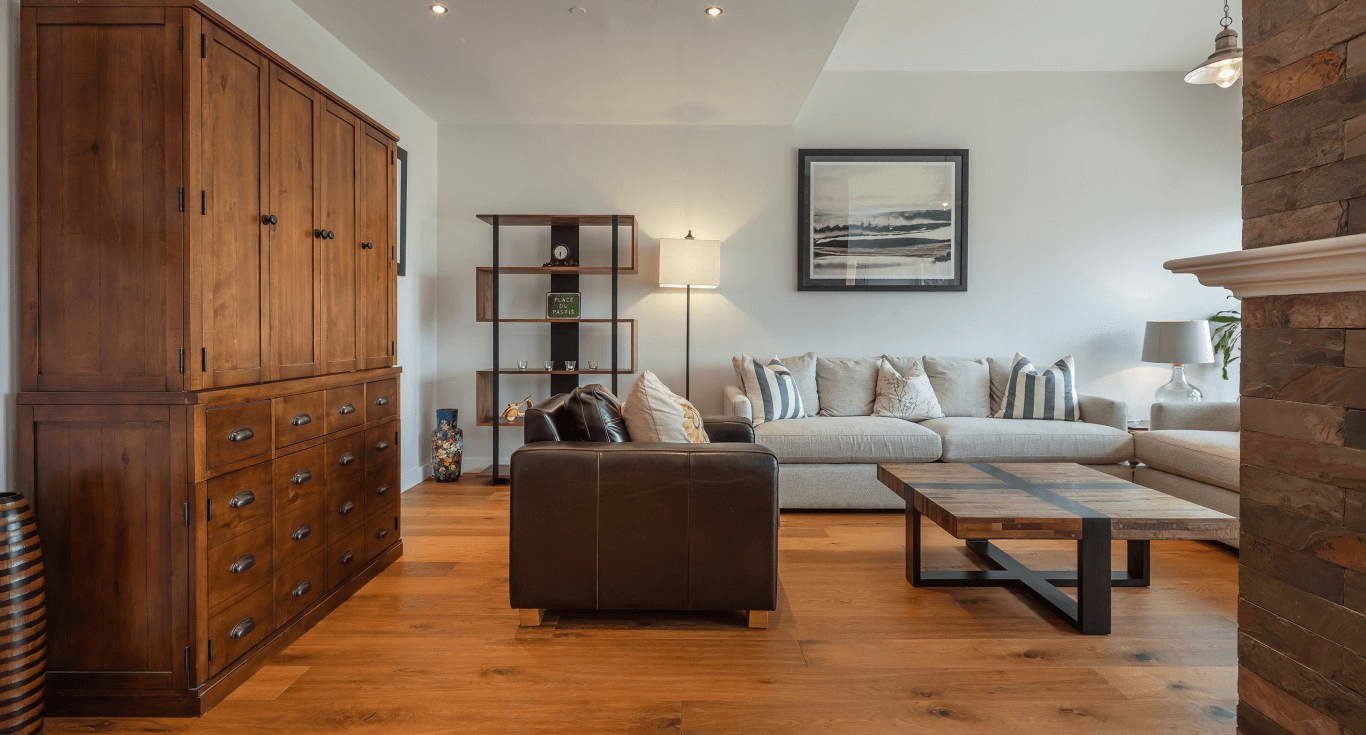
Smokey-brown wood floors create a warm, natural foundation that contrasts subtly with dark-toned furniture, allowing the furniture’s rich tones to stand out. The combination adds depth and dimension to the room, balancing warmth and sophistication while keeping the space harmonious.
3. Golden Amber
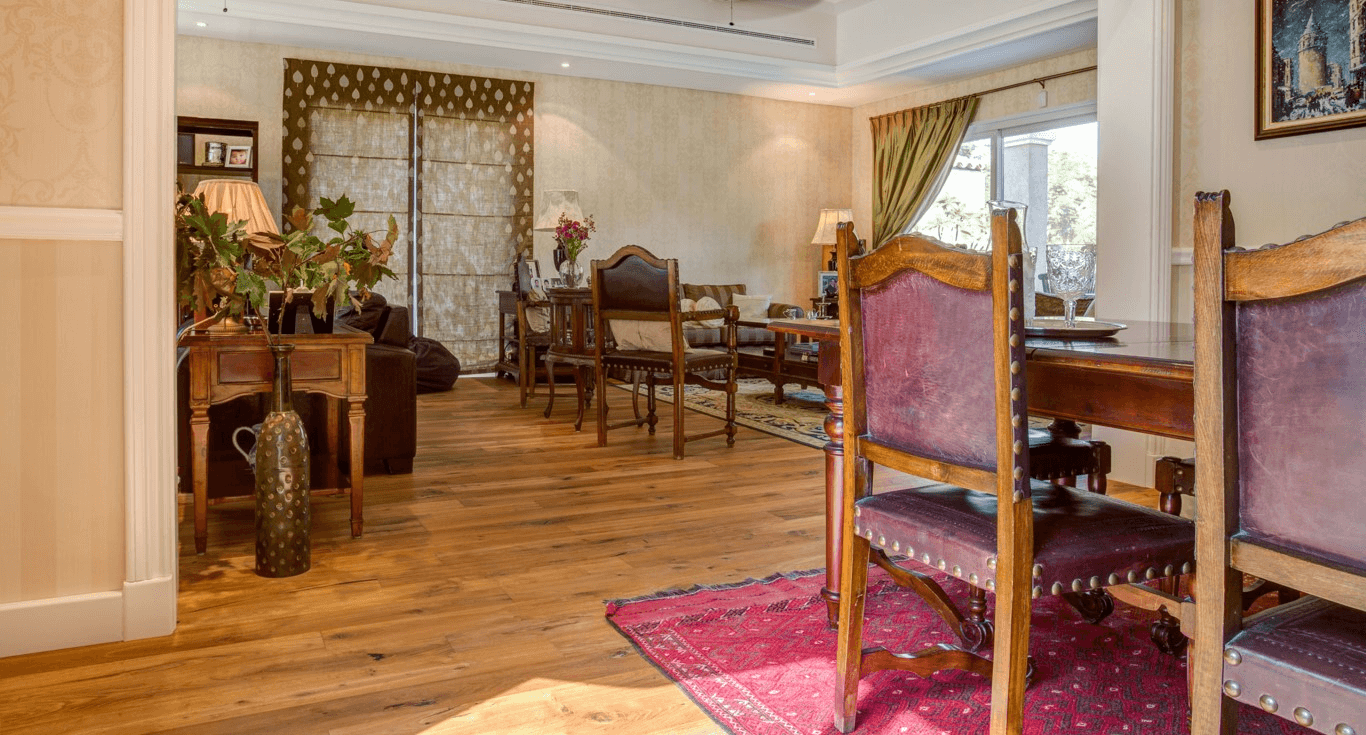
features a lively mix of brown butter highlights and caramel lowlights. This natural variation gives it a cheerful and classic feel. It pairs well with traditional oak furniture, warm textiles, and soft, earthy tones. Layered fabrics and handcrafted décor elevate its inviting character.
Dark Wood Color: Bold, Dramatic, and Sophisticated
Dark wood floors add depth and luxury to an interior. Their rich tones ground a room and create striking contrast with lighter furnishings. These floors suit modern, elegant, or moody spaces and pair well with plush textures, structured furniture, and metallic accents.
1. Foggy Grey
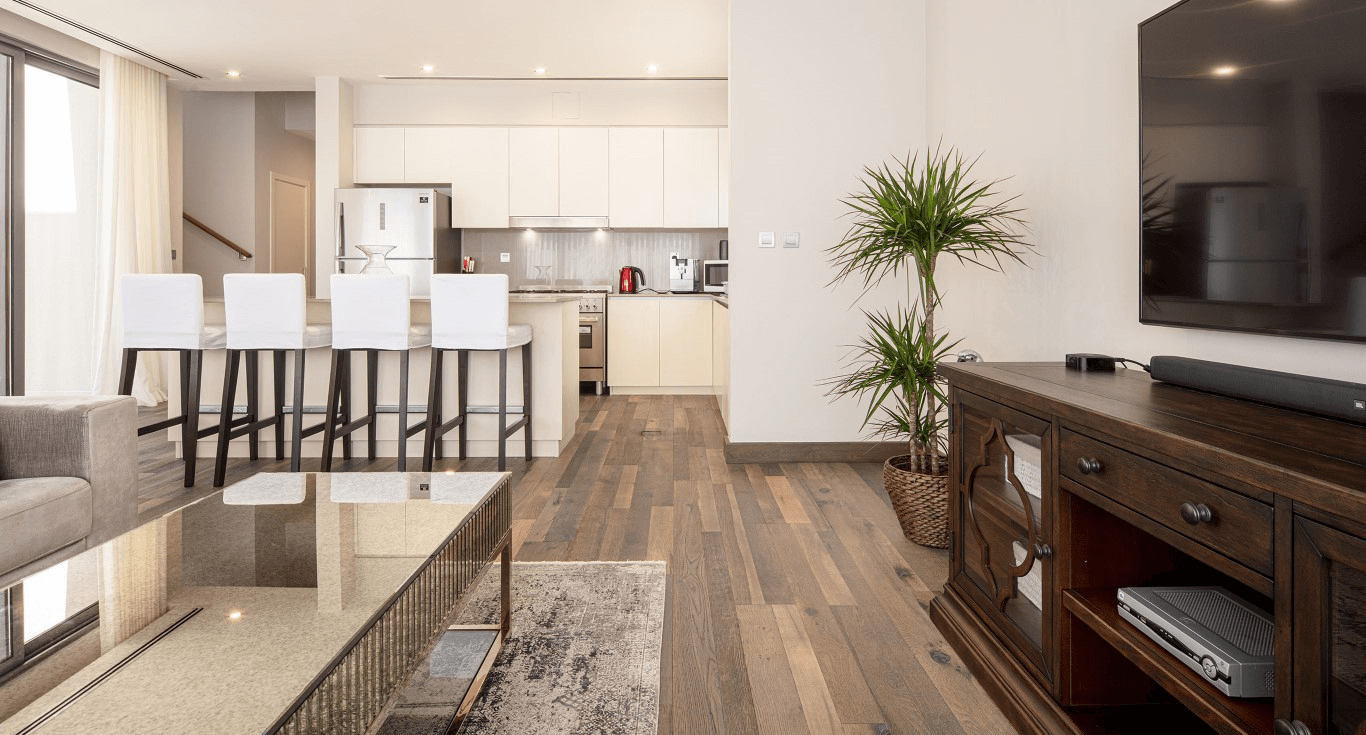
Grey floors have a soft, natural look with boards ranging from light grey to sandy tones. This neutral wood color pairs perfectly with rustic elements, like dark wood furniture, adding a cosy and relaxed feel. It creates a stylish base that works well with many interior styles.
2. Nearly Black
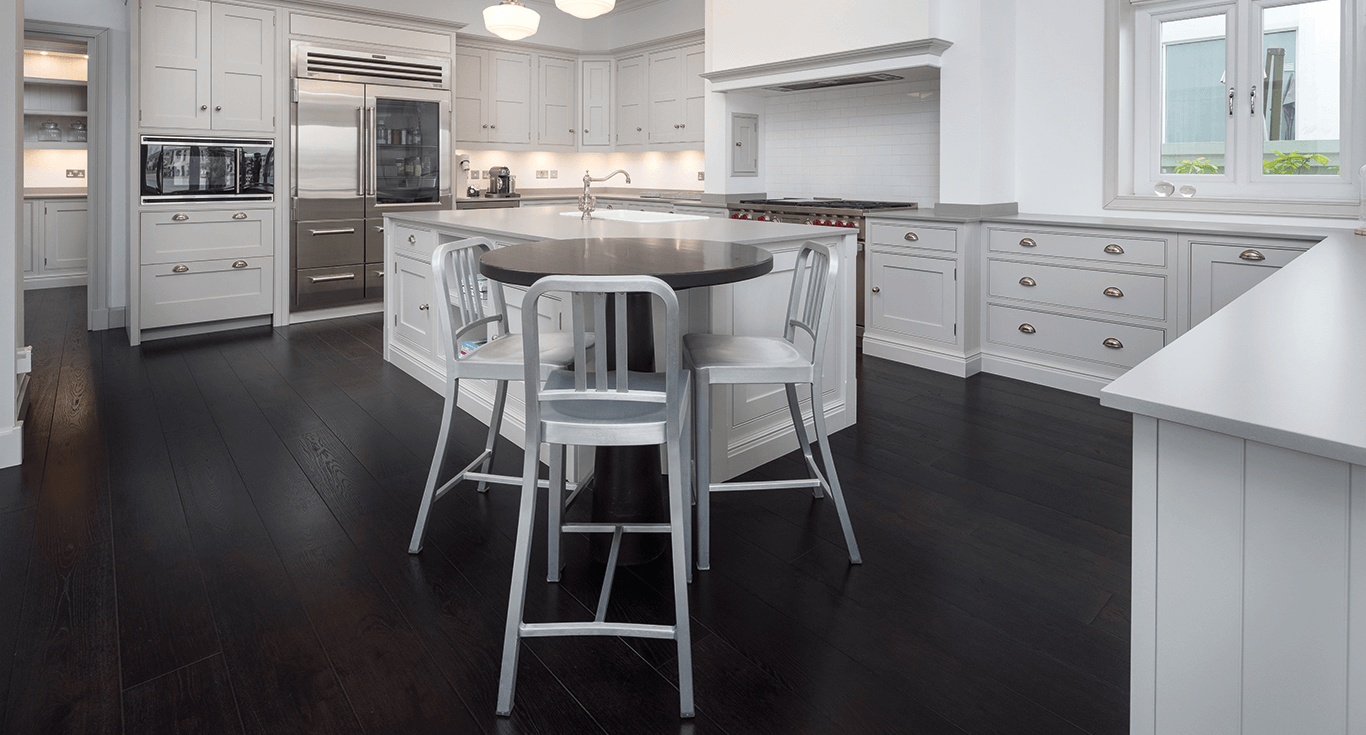
Almost-black flooring creates an immediate statement and pairs well with lighter furniture, contrasting beautifully with muted whites, coastal neutrals, and minimalist pieces. Brighter upholstery, natural fibres, and streamlined décor soften the intensity while maintaining a contemporary edge.
3. Chocolate Brown
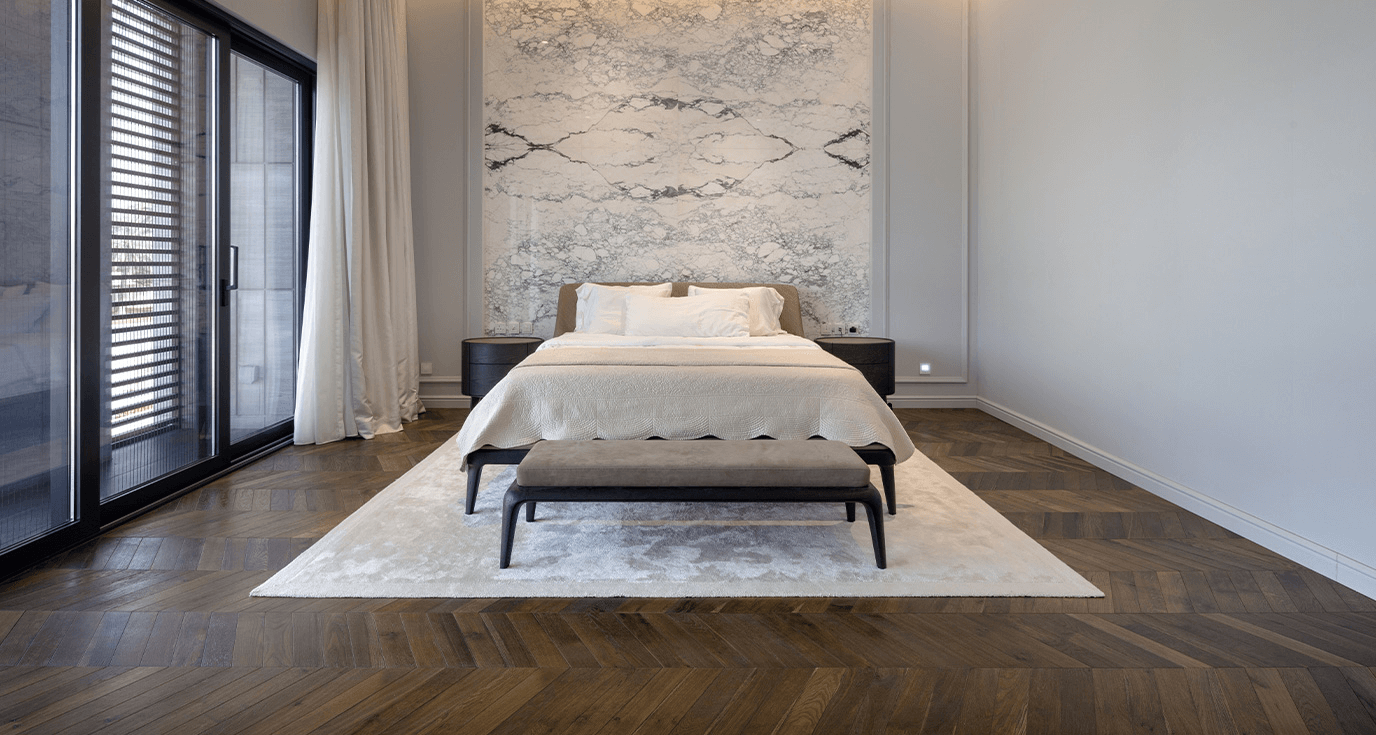
Chocolate-brown floors bring warmth and timeless elegance to any space. Their deep, smoked tone pairs beautifully with luxury marble accents, creating a sophisticated contrast, while grey walls add a modern, balanced backdrop. This combination enhances both classic and contemporary interiors, making the floor a striking yet versatile design element.
Final Thoughts on Wood Color Choices
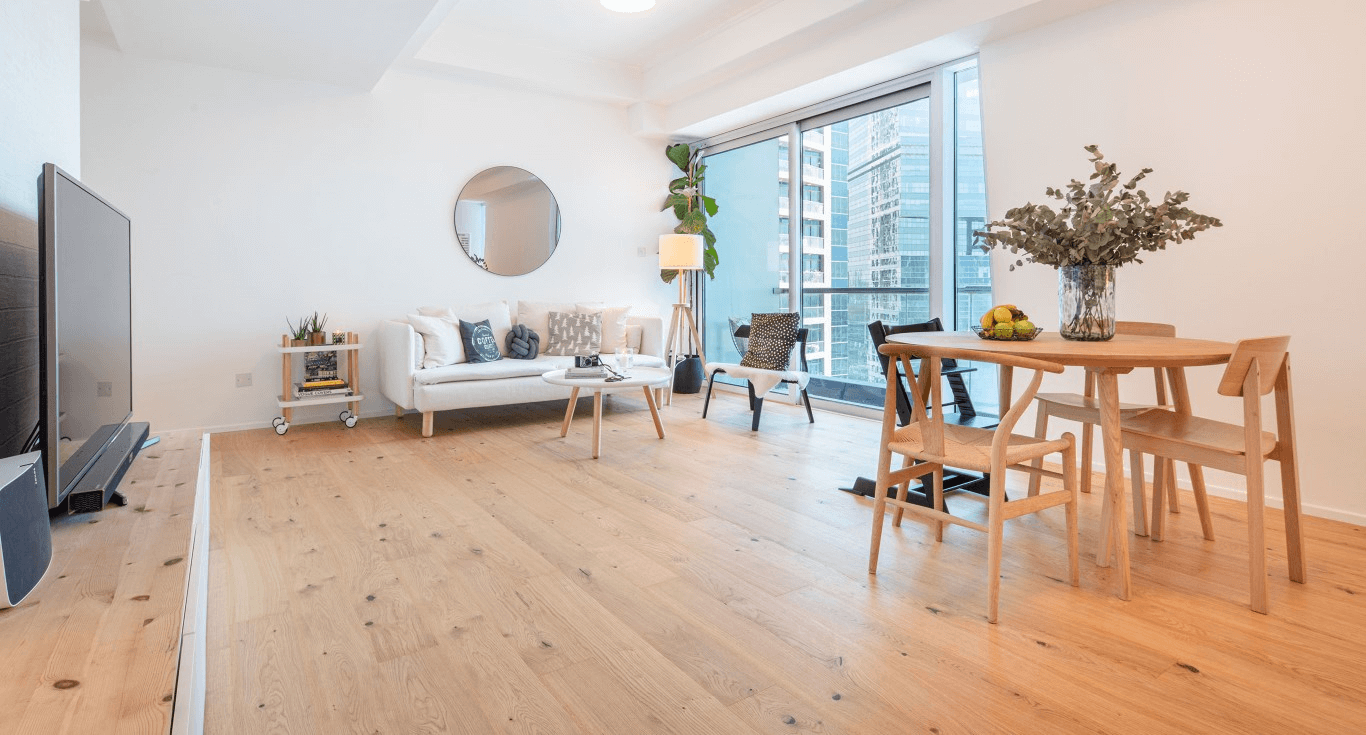
Careful selection of colors and materials can make a room feel harmonious, balanced, and welcoming. Paying attention to undertones, contrasts, and textures ensures every element works together. When wood colors are combined intentionally, they enhance each other and create a polished, timeless interior that reflects your style.
One way to achieve this harmony is by finding the perfect flooring to match your furniture. The right floor not only ties the space together but also highlights your décor, making your interiors feel coordinated and refined.

Warm Regards,
Pauline Madani
Founder & Managing Director Nordic Homeworx
Frequently Asked Questions
How does ceiling color affect the perception of wood tones in a room?
▼Ceiling color influences how light reflects on wood surfaces. Lighter ceilings make wood tones appear richer and more vibrant, while darker ceilings create a cosy, intimate feel. Neutral or soft tones keep the focus on your flooring.
Are there ways to prevent color transfer from furniture to floors?
▼Yes, use felt pads or protective coasters under furniture legs. Consistent cleaning and avoiding excessive moisture also prevent stains. Choosing finishes with strong wear resistance helps maintain color integrity.
Does plank width influence the perceived color of wood?
▼Yes, wider planks show more grain and variation, making color appear richer and more dynamic. Narrow planks create uniformity, which can make tones seem lighter or more consistent. The layout also affects visual perception.
What’s the best way to choose a rug that matches my wood floor?
▼Choose a rug that complements your wood floor’s undertone and finish. Carpet styles that complement the floor, such as flatweave, Persian, or low-pile wool and jute rugs, create a balanced and cohesive look.
Do humid climates like Dubai affect the appearance of wood colors?
▼High humidity can cause wood to expand, slightly changing its appearance or sheen. Using properly sealed and acclimatised wood reduces these effects. Regular maintenance ensures colors stay true.
What’s the best way to clean hardwood floors without damaging them?
▼Use a soft broom or vacuum for dust, then a damp microfiber mop with a wood-safe cleaner. Avoid excess water, harsh chemicals, or abrasive tools. A consistent cleaning habit keeps the finish and wood color intact.